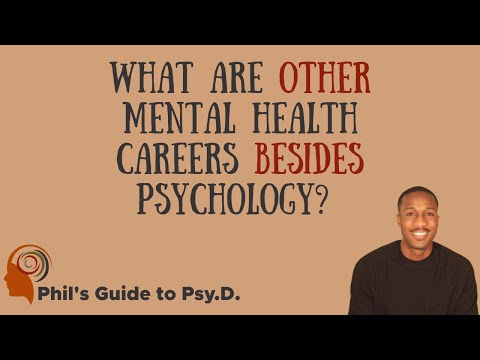
You know, mental wellness is kind of a big deal these days.
This blog provides content for informational, educational, and reflective purposes only. The information published here does not constitute medical, psychological, or psychiatric advice, and it does not replace the evaluation, diagnosis, treatment, or individualized guidance of a properly licensed professional. If you believe you may be experiencing a psychological or health-related issue, consult a qualified professional as soon as possible before making important decisions about your well-being. Do not self-medicate or start, stop, or change medications, therapies, or treatments on your own. While we aim to provide useful and accurate information, we do not guarantee that it is complete, current, or suitable for every situation. Your use of this content is at your own risk, and reading it does not create a professional, clinical, or therapeutic relationship with the author or this website.
More and more people are realizing that taking care of their minds is just as important as taking care of their bodies.
And guess what? That means there’s a ton of room for careers in psychology and mental health.
Like, whether you’re interested in counseling, research, or even wellness coaching, the opportunities are endless!
It’s pretty exciting if you ask me.
Imagine helping someone navigate their feelings or supporting them through tough times.
Sounds rewarding, right?
Discover the Highest Paying Careers in the Mental Health Field: Top Jobs for Aspiring Professionals
Hey, so you’re curious about careers in the mental health field that pay well? That’s a solid interest, especially since mental health is super important these days. There are quite a few options out there if you’re thinking of diving into this world. Let’s break it down.
First off, let’s talk about psychiatrists. They’re doctors who focus on mental health, and they can prescribe meds. It takes a lot of training—basically medical school plus residency. But the payoff can be sweet! In fact, psychiatrists can earn anywhere from $200,000 to over $300,000 annually. That’s pretty good money for helping people feel better.
Next up are psychologists. These folks usually hold a doctorate in psychology. They spend their time doing therapy and assessments but don’t prescribe medications (at least not everywhere). Depending on their specialization and where they work, their salaries typically range between $70,000 to $150,000 a year. That’s not too shabby for helping others understand their thoughts and emotions!
Now let me tell you about clinical social workers. They often get involved in therapy and community outreach. Their role can be super impactful—their average salary is around $60,000 to $80,000 yearly. While it may be less than other positions at first glance, many find the job rewarding because of the difference they make.
Also worth noting are marriage and family therapists. If you’re into helping couples or families work through tough times, this could be up your alley. They typically earn between $50,000 and $80,000 a year depending on experience and location. The job can be emotionally taxing at times; think about when you help someone navigate real-life relationship hurdles—wild stuff!
And then we have mental health counselors. These pros work one-on-one with clients dealing with various issues like anxiety or depression. They usually need a master’s degree but can earn somewhere between $40,000 to $70,000 annually—again varying by state what kind of setting they’re working in.
If you’re open to something non-traditional but still impactful in mental wellness circles there are jobs like psychiatric nurse practitioners. With an advanced practice nursing degree that specializes in psychiatry—they balance therapy with medication management earning somewhere between $90,000 to over $130,000 per year!
Of course there are also jobs like school psychologists, who work within educational settings to help kids deal with emotional issues affecting their learning—but it usually pays around $60-70k annually.
What all this boils down to is that there’s money to be made in various roles within mental health—and many of them come with the added bonus of making a real difference in people’s lives! Seriously though: what could be more rewarding than that? Plus there’s always room for growth as you gain experience and education.
So if you’re thinking about jumping into this field or just curious about your options—now you’ve got some info to chew on! No matter where you end up landing though—remember that it’s all about supporting others while also taking care of yourself along the way!
Exploring Diverse Career Paths in Mental Health: Your Guide to Opportunities in Psychology and Wellness
So, let’s talk about careers in mental health. Seriously, there are so many paths you can take if you’re passionate about psychology and wellness. It’s not just about being a therapist—though that’s a popular choice. There’s a whole world out there.
Therapist or Counselor: This is probably what most folks think of when they hear “mental health career.” Therapists help people navigate their emotions, deal with trauma, and improve their mental well-being. You can specialize in areas like family therapy, addiction counseling, or even art therapy.
Psychologist: If you go the psychologist route, you’ll need some serious schooling—usually a doctorate. Psychologists study how people think and behave. They can work in schools helping kids with learning difficulties or in hospitals doing assessments for mental disorders.
Psychiatrist: Now here’s where it gets interesting—psychiatrists are actually medical doctors. They can prescribe medication and usually work with patients who have severe mental illnesses like schizophrenia or bipolar disorder. You’re looking at a lot of years of training here!
Social Worker: Social workers often focus on the broader social context of mental health issues. They help connect individuals to resources and support systems in their communities. Some are clinical social workers who also provide therapy.
School Psychologist: If kids and education are your jam, consider being a school psychologist! These pros work within educational systems to help students overcome barriers to learning and emotional well-being.
Researcher: If you’re more into the science side of things, research is an exciting path! Researchers investigate how psychological theories apply to real-world problems or develop new treatment methods.
Wellness Coach: This is more holistic, focusing on overall well-being rather than just mental illness. Wellness coaches support clients as they strive for better habits—be it physical exercise or stress management techniques.
Oh! And don’t forget community outreach specialists. These folks work to promote mental health awareness and programs within communities that might not have access to traditional healthcare services.
At the end of the day, your career path in mental health could look very different based on your interests and training goals. It’s all about finding what resonates with you personally! And remember: whatever path you choose will make an impact—whether it’s one-on-one sessions or spreading awareness in larger settings; every bit counts in promoting mental wellness!
Explore Rewarding Mental Health Careers That Don’t Require a Degree
There’s a world of **rewarding mental health careers** out there that don’t need you to sit in a classroom for four years. Seriously, not everyone has to go the traditional route. If you’re passionate about helping others and want to get into the mental wellness field, there are plenty of options.
Think about it: we all know someone who’s had a tough time navigating their feelings. Whether it’s anxiety, depression, or just life’s everyday struggles, being part of someone’s journey can be incredibly fulfilling. Here’s a look at some careers you might consider.
Peer Support Specialist
So, what is this? Peer support specialists are people who have lived experience with mental health challenges. And you know what? They use that experience to help others who are going through similar situations. It involves listening and guiding without professional jargon—just real talk, you know? Certification varies by state but usually involves some training and passing an exam.
Behavioral Health Technician
These folks typically work in settings like hospitals or rehabilitation centers. They support patients with day-to-day activities and monitor their behaviors. Ever thought about being the one cheering someone on during their recovery? That could be you! You often need on-the-job training, but no degree is strictly necessary.
Mental Health Coach
Coaching can be super impactful! Mental health coaches focus on helping clients set goals and develop strategies for coping with stress and improving emotional well-being. It’s less intense than therapy but still requires excellent communication skills and knowledge about mental wellness principles—often gained through workshops or certifications rather than formal degrees.
Community Outreach Worker
This role connects people with resources they might not even know exist! Community outreach workers often collaborate with local organizations to help those struggling with mental health issues find support systems—like housing, employment assistance, or healthcare options—and improve their overall quality of life.
Crisis Hotline Operator
If your heart is in immediate help more than long-term care, this could be your jam! Operators provide crucial support over the phone for individuals experiencing crises. You get training on active listening techniques and how to assess risk factors without needing a degree.
Art Therapist Assistant
This one’s unique! While many art therapists need advanced degrees, assistants can work alongside them without one. You’d help set up sessions where clients express themselves creatively as part of a therapeutic process (think painting or sculpting). It’s magical how art breaks down barriers!
In short, there are many paths into the world of mental health that don’t require years chasing a degree. Each job has its own set of requirements—like training or certifications—but if you keep your heart open and seek opportunities for growth in your field, there’s lots to explore! And just remember: your journey into this realm isn’t just about getting paid; it’s about making a difference too.
So if you’re looking for something meaningful that connects people in tough times, think seriously about these roles! No degree required; just passion and willingness to learn will take you far.
Thinking about a career in mental wellness, especially in psychology, can feel like a big deal, you know? I mean, it’s not just about having a job; it’s about making a real difference in people’s lives. And that’s something seriously great.
Imagine this: you’re sitting across from someone who’s feeling lost or overwhelmed. You listen to their story, and together you start piecing things together. It’s like being a detective but with emotions instead of fingerprints. That kind of connection can change lives, and it’s so powerful.
There are tons of paths you can take in this field. You could become a therapist, helping folks through their struggles with anxiety or depression. That’s rewarding! Or maybe you fancy research—digging into how our minds work and what makes us tick. Even working in schools to support kids or consulting for companies looking to boost mental health at work is an option.
I remember chatting with a friend who became a psychologist after dealing with her own mental health issues. At first, she felt hesitant; sharing your feelings isn’t easy! But she realized those experiences gave her an understanding that was invaluable. Now she helps others navigate their journeys while integrating her story into her practice.
Of course, it’s not all rainbows and sunshine; the field has its challenges too. Burnout is real; listening to heavy stories day after day can weigh on you like a ton of bricks if you’re not careful. But hey, there are ways to balance it out—like supervision and self-care practices!
In the end, careers in mental wellness aren’t just jobs—they’re calls to action for empathy and transformation in society. If you’re considering this path, take it from me: it can be tough but also so incredibly fulfilling. It really gives you that warm fuzzy feeling knowing you’re doing something meaningful every single day. So, if you feel that tug towards helping others, maybe give it some thought? Your future self might just thank you for it!