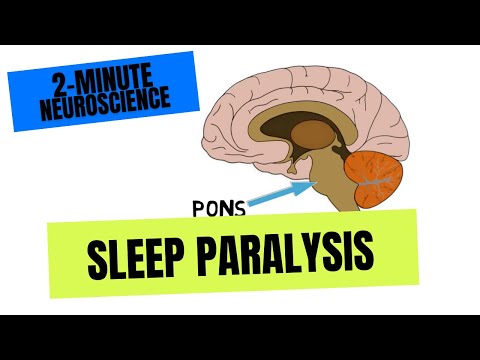
You know that feeling when you wake up, but you can’t move? It’s like your body forgot how to get out of bed, and that can be pretty freaky. Well, that’s sleep paralysis for you.
This blog provides content for informational, educational, and reflective purposes only. The information published here does not constitute medical, psychological, or psychiatric advice, and it does not replace the evaluation, diagnosis, treatment, or individualized guidance of a properly licensed professional. If you believe you may be experiencing a psychological or health-related issue, consult a qualified professional as soon as possible before making important decisions about your well-being. Do not self-medicate or start, stop, or change medications, therapies, or treatments on your own. While we aim to provide useful and accurate information, we do not guarantee that it is complete, current, or suitable for every situation. Your use of this content is at your own risk, and reading it does not create a professional, clinical, or therapeutic relationship with the author or this website.
And let me tell you—it’s not just a weird quirk. Some folks experience hallucinations during this time, which can be terrifying. Imagine someone standing in your room or a weight pressing down on your chest. Yikes!
So, what’s going on in our heads when this happens? How does it mess with us mentally? We’re gonna explore all that together. Buckle up, friend!
Exploring the Most Common Hallucination Experienced During Sleep Paralysis
Sleep paralysis can feel like a scene straight out of a horror movie, right? You wake up but can’t move. Your heart races. And then, bam! Hallucinations hit you like a ton of bricks. One of the most common experiences? The feeling of being watched or even threatened by an ominous presence in the room. Pretty unnerving, huh?
What exactly happens? During sleep paralysis, your body is caught between wakefulness and sleep. Your mind is awake, but your body isn’t ready to move just yet. This state can trigger some pretty intense hallucinations that mess with your sense of reality.
A lot of people describe seeing shadows or figures looming nearby. These shadowy shapes can take on all sorts of forms—some just seem like dark silhouettes, while others might look more menacing. It’s not uncommon for someone to feel as though someone is sitting on their chest, making it hard to breathe or even scream for help.
Why does this happen? Basically, sleep paralysis occurs when you enter REM sleep, which is when dreaming kicks into high gear. Your brain is active, but your muscles are paralyzed, so you don’t act out your dreams—kind of like a built-in safety feature. But if you wake up during this stage and find yourself unable to move? That’s where the trouble starts.
Feeling pressure on your chest is another common experience during these episodes. You might feel like something heavy is weighing you down, which adds to the panic and confusion. It’s super disorienting!
Over time, these experiences can lead to some emotional fallout as well. People who frequently encounter sleep paralysis may start developing anxiety about going to sleep at all because they dread those frightening episodes. Imagine being scared every time you lay down for a nap!
So what can help? There are various strategies folks use to cope with sleep paralysis:
If you’re having repeated episodes and they’re causing significant distress? It might be worth having a chat with a professional who gets it.
In summary, hallucinations during sleep paralysis mainly involve feelings of pressure or the sense that someone—or something—is watching or even threatening you. It’s scary stuff! Understanding what’s happening in your brain has been known to help reduce some anxiety about it all; knowing you’re not alone in this experience helps too!
Understanding Hypnopompic Hallucinations: Causes, Symptoms, and Insights
Hypnopompic hallucinations, huh? They’re pretty interesting, and a bit creepy too. You know, they happen when you’re waking up from sleep. Picture yourself slowly coming to life in the morning, but then suddenly seeing or hearing things that aren’t really there. Sound familiar? Let’s break it all down.
What Are Hypnopompic Hallucinations? These are vivid experiences where you might see shapes, hear voices, or even feel sensations right as you’re waking up. It’s like a dream that spills into your reality for a second. For some people, this can be totally normal; for others, it can be quite distressing.
Causes of Hypnopompic Hallucinations: So what triggers these strange episodes? There are a few key factors:
- Sleep deprivation: Not getting enough sleep can definitely increase the chances of having these experiences. You follow me?
- Sleep disorders: Conditions like narcolepsy or sleep apnea can contribute to the frequency of hypnopompic hallucinations.
- Stress and anxiety: High levels of stress might disturb your sleep patterns, leading to more intense experiences when waking up.
- Certain medications: Some drugs may cause sleep disturbances that lead to these hallucinations.
You might be wondering what they look or feel like in real life. A friend of mine once told me about waking up in the middle of night and feeling like someone was standing at the foot of her bed. She was frozen in place and convinced she could see an outline but couldn’t move at all! That’s classic sleep paralysis territory too—these hallucinations often go hand-in-hand with that experience.
Symptoms: The symptoms vary widely from person to person but typically include:
- A feeling of being unable to move.
- Sights and sounds that aren’t really there—like shadows or whispers.
- A strong sense of fear or anxiety during the episodes.
The Psychological Effect: Now let’s talk about how these episodes can affect you mentally. Experiencing hypnopompic hallucinations can be pretty scary! They might lead you to fear going to sleep or even make you anxious about falling asleep again after an episode occurs. This anxiety can create a nasty cycle: less sleep leads to more hallucinations, which leads to even more anxiety!
If someone finds themselves trapped in this loop, it could lead to broader issues like insomnia or heightened stress levels during the day—definitely not what anyone wants!
The thing is, while hypnopompic hallucinations are generally harmless physically (unless you’re in danger during an episode), they can feel utterly real and very frightening while they’re happening. Getting good quality sleep is crucial for managing them effectively—aim for regular bedtime routines and address any underlying stressors if possible!
If this stuff resonates with you and you’re facing challenges because of it, talking things through with a mental health professional could help ease some worries about your sleep patterns and give you coping strategies.’ Remember: you’re not alone in this odd experience!
Understanding Auditory Hallucinations: Why You May Hear Your Name as You Drift Off to Sleep
Auditory hallucinations can be super confusing, especially if they happen when you’re falling asleep. You might hear someone call your name, or maybe a voice that feels really familiar but isn’t clear. It’s weird and can freak you out, but there’s a psychological explanation behind it.
When you’re in that space between being awake and dreaming—known as the hypnagogic state—your brain is still processing thoughts and memories. Sometimes it takes a little vacation from reality and starts mixing stuff up. So, if your brain is feeling particularly creative or stressed, it might pull in bits of sound from your day-to-day life. This is why you could suddenly hear your name.
Then there’s sleep paralysis, which often comes along with these auditory hallucinations. You might wake up but feel like you can’t move. Your body is awake, but your mind isn’t fully there yet—like being stuck in limbo for a few seconds or minutes. During this time, hallucinations are more likely to happen because your mind is still sort of dreaming while you’re aware.
When people experience this, they can feel intense fear or anxiety because it feels so real. Like when Sarah told me she woke up in the middle of the night hearing her name being called softly, but nobody was there! She was terrified! That experience left her feeling shaken for days.
Now think about the psychological effects of these experiences… They can lead to increased anxiety about sleep—wondering if you’ll have another episode can make bedtime feel daunting. Imagine tossing and turning each night because you’re scared of what might happen as you drift off.
But here’s the thing: most people who hear voices like that during sleep aren’t losing touch with reality or having some serious mental health issue; they’re just experiencing something weird that many others have gone through too! If it becomes frequent or distressing, though, talking to someone—a therapist or a doctor—can help sort through those feelings and fears.
In summary, auditory hallucinations when falling asleep are linked to how our brains work as we transition between wakefulness and sleep. Sleep paralysis adds another layer of weirdness to this experience by making us feel trapped between two states of consciousness. But know this: it’s more common than you think and totally understandable to feel scared or confused about it!
Sleep paralysis is one of those experiences that can really freak you out, right? You wake up, can’t move a muscle, and suddenly, you’re seeing or feeling things that just aren’t there. How scary is that? It almost feels like being trapped in a horror movie.
I remember the first time I experienced it. I woke up one night to find this shadowy figure looming over me. I tried to scream, but my voice was stolen away. My heart raced— I thought I might be dreaming or just losing my marbles! When it finally passed, I felt completely drained and terrified.
So what’s going on during those episodes? When you experience sleep paralysis, your mind wakes up while your body is still in this weird state between sleeping and being totally awake. You might see things like figures in your room, hear strange noises, or even feel pressure on your chest. These hallucinations can be audio or visual—they’re like your worst fears manifesting right in front of you.
But here’s the kicker: these experiences can seriously mess with your mental health. Some people end up feeling anxious about sleeping altogether because they dread going through it again. It’s like this cycle where fear disrupts sleep patterns, which keeps the whole thing going. Can you imagine being too scared to go to bed? That’s not cool at all.
And if you’re already dealing with stress or anxiety issues, well, sleep paralysis can amplify those feelings. It becomes a kind of trap where lack of sleep increases anxiety levels and anxiety makes it harder to sleep well—quite the nasty feedback loop.
So what do we do about it? Awareness helps a ton! Understanding that these episodes are rooted in biology rather than some supernatural force can take some fear out of the equation. Relaxation techniques and maintaining good sleep hygiene are super helpful for breaking the cycle.
Still, if you find yourself facing this kind of thing regularly, talking to a professional might give you more tools to cope with it all. Remember: you’re not alone in this weird experience! You’re one amongst many who have felt that same twinge of panic when waking up unable to move—just know there’s light at the end of the tunnel!