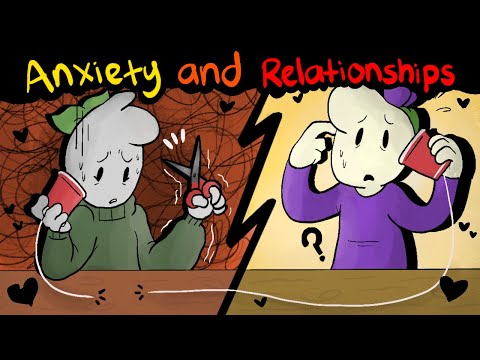
You ever feel like your mind’s just racing? Like, seriously, a thousand thoughts all at once? Yeah, that’s anxiety for you.
This blog provides content for informational, educational, and reflective purposes only. The information published here does not constitute medical, psychological, or psychiatric advice, and it does not replace the evaluation, diagnosis, treatment, or individualized guidance of a properly licensed professional. If you believe you may be experiencing a psychological or health-related issue, consult a qualified professional as soon as possible before making important decisions about your well-being. Do not self-medicate or start, stop, or change medications, therapies, or treatments on your own. While we aim to provide useful and accurate information, we do not guarantee that it is complete, current, or suitable for every situation. Your use of this content is at your own risk, and reading it does not create a professional, clinical, or therapeutic relationship with the author or this website.
And it doesn’t just affect you. It seeps into your relationships. Friends, family, partners—anyone can feel the impact.
I was scrolling through Reddit the other day and stumbled on this wild thread. People sharing their struggles with anxiety and how it messes with their connections.
It’s eye-opening to see how many folks are in the same boat. Feeling misunderstood, overwhelmed, or even just plain lonely despite being surrounded by loved ones.
So stick around while we dig into some heartfelt stories from Redditors about anxiety and its toll on their relationships. You might relate more than you think!
Understanding Anxiety in Relationships: Signs, Symptoms, and Impact
Anxiety in relationships can really take a toll, both on you and your partner. You might not even realize how much it affects things until you start to notice certain signs. So, let’s break it down a bit.
Signs of Anxiety in Relationships
You know that feeling when your heart races before a text or call? That’s anxiety sneaking in. When you’re always worrying about your partner’s feelings or what they think of you, it can create a real strain.
- Overthinking: You might find yourself replaying conversations in your head.
- Fear of abandonment: Ever feel like your partner could leave at any moment? That’s tough.
- Dreading conflict: Avoiding deep discussions because you’re scared of how they’ll turn out? Classic sign!
Sometimes these feelings just bubble under the surface. But over time, they can lead to misunderstandings and hurt feelings.
Symptoms to Watch Out For
Anxiety isn’t just in your head; it shows up in other ways too. It can affect how you behave around your partner and even influence how connected you feel.
- Irritability: You might snap over small things—like why they left the cap off the toothpaste.
- Physical symptoms: Think headaches, stomach issues, or even trouble sleeping.
- Avoidance: You could start skipping plans or pulling away from intimacy.
There’s this Reddit thread I read once where someone described feeling like they were walking on eggshells around their partner. Seriously painful stuff! When every little action feels loaded with potential disaster, maintaining that connection becomes super tough.
The Impact on Your Relationship
Anxiety can create this cycle that pulls you and your partner further apart. Sometimes, one person feels anxious while the other feels confused about what’s happening. This disconnect leads to frustration and resentment.
Ultimately, if anxiety is running wild, both partners may end up feeling lonely—even when they’re together. It’s like being at a party but feeling completely alone in a crowded room!
So let’s not overlook communication here; it’s key. Talking about what each of you is feeling can help break down those walls—and maybe even soothe some worries.
If you’re noticing these signs or symptoms, figuring out strategies together is crucial. Couples therapy can be super helpful too; it gives space for both sides to express fears without judgments flying around like crazy!
At the end of the day, understanding anxiety—not just for yourself but also how it touches your relationship—can make all the difference. Whether it’s finding common ground or seeking help together, every step counts toward building that stronger bond again.
Understanding Relational Anxiety: Causes, Symptoms, and Coping Strategies
Relational anxiety can be a real rollercoaster, can’t it? It’s that gnawing feeling you get about your relationships, like something is off or a little shaky. Basically, it’s the worry that you might mess things up with someone you care about—be it a partner, friend, or even a family member. Here’s the lowdown on what causes it, how to spot it in yourself or others, and some ways to cope.
Causes of Relational Anxiety
There are quite a few reasons why someone might feel anxious in relationships. Sometimes it’s rooted in past experiences. If you’ve ever faced abandonment or betrayal—like when a friend ghosted you or a partner cheated—it can really shake your trust. Those feelings often bubble back up in new relationships.
Also, if you’re a person who tends to overthink things, that can add fuel to the fire of relational anxiety. You might find yourself analyzing every text message for hidden meanings or worrying about whether your loved ones truly care about you.
And let’s not forget the impact of societal pressures. You know how social media shines a spotlight on everyone’s “perfect» lives? Seeing those highlight reels can trigger insecurities and make you doubt your own relationship’s worthiness.
Symptoms of Relational Anxiety
So how do you know if this is something you’re dealing with? Well, here are some classic signs:
- You constantly seek validation from your partner or friends.
- You find yourself overreacting to minor conflicts—like turning small disagreements into major dramas.
- Your mind races with negative thoughts about what others think of you.
- You have trouble trusting people fully—or maybe you’re just waiting for the other shoe to drop.
- You avoid talking openly about feelings because you’re afraid of rejection.
Picture this: imagine texting your partner and waiting hours for them to reply. You start imagining all sorts of terrible scenarios: maybe they’re upset with you, maybe they’re losing interest… It’s exhausting!
Coping Strategies
Now that we’ve laid out what relational anxiety looks like, let’s talk coping strategies. The good news is there are plenty of ways to manage these feelings.
- Open Communication: Seriously, talking it out can work wonders. Letting your partner know how you’re feeling—even if it’s uncomfortable—can help bridge that gap between anxious thoughts and reality.
- Practice Mindfulness: This one’s all about staying present and focused on what’s happening right now instead of spiraling into worry. Try meditation or deep-breathing exercises whenever those anxious thoughts creep in.
- Self-Compassion: Be gentle with yourself! Understand that everyone makes mistakes and has insecurities; you’re not alone in this struggle.
- Challenge Negative Thoughts: When those pesky negative thoughts come knocking at your brain’s door, question them! Ask yourself if they really hold ground or if they’re just fears talking.
For instance, let’s say you’re worried your friend hasn’t invited you out lately. Instead of assuming they don’t want to hang out anymore (classic anxious thought!), consider reaching out and checking in instead.
In short, relational anxiety is tough but manageable! By understanding its roots and recognizing symptoms when they pop up in life—even having open conversations—you can create healthier bonds in no time flat! Remember: you’re not alone in this journey; others are navigating similar waters too!
Understanding Severe Anxiety’s Impact on Relationships: Insights from Reddit Discussions
Severe anxiety can be a real game-changer in relationships. Like, if you’ve ever had that nagging feeling in your chest before a big social event, you know how it messes with your head. On Reddit, people share their stories and insights about how anxiety impacts their relationships, and honestly, it’s eye-opening.
Communication breakdowns often happen when one partner is dealing with severe anxiety. Imagine trying to explain your feelings while feeling like a pressure cooker about to blow up. You might end up snapping over small things or avoiding deep conversations entirely. It can create a wall between people who might otherwise be close.
- Isolation: Many folks with anxiety tend to withdraw from their partners or friends to avoid any additional stress. If you’re constantly battling those anxious thoughts, socializing might feel impossible. So, you might ditch plans or cancel dates last minute—leaving your partner feeling neglected or confused.
- Mismatched expectations: One person may want to talk things through while the other just needs space. This mismatch can lead to frustration on both sides because the partner who wants connection feels shut out while the anxious one feels overwhelmed by too much interaction.
- Fear of judgment: A lot of Redditors talk about the fear of being judged for their mental health struggles. They worry their partners won’t understand them or will think they’re overreacting. This fear can make folks hold back on sharing how they really feel, which in turn leads to misunderstandings and distance.
- Lack of intimacy: Anxiety can diminish physical and emotional intimacy as well; it’s tough to connect when your mind is racing at a million miles an hour! Partners may feel frustrated when the usual spark seems dimmed by anxiety’s weight.
Take Sarah’s story: she shared on a thread how her severe anxiety made her avoid family gatherings because she feared having a panic attack in public. Her partner felt hurt that she wouldn’t include him in something so important. Seeing that battle laid bare—it’s not just a simple choice; it’s an internal struggle that affects both people.
Another user mentioned constant reassurance—their partner needed checks on their well-being throughout the day just to feel okay enough to function. While being supportive is key, it can sometimes flip the dynamic where one partner feels more like a caretaker than an equal.
The thing is, seeking help can make all the difference! Therapy shows up often in these discussions; many recommend couples therapy as a way for partners to communicate openly about anxiety and its effects on their relationship.
It also helps build understanding—partners start realizing what each other goes through daily. By talking it out with someone who knows what they’re doing (like a therapist), couples can find strategies together rather than let anxiety dictate their lives.
Severe anxiety definitely throws some serious curveballs into relationships, but there’s hope! With communication and support from both sides (plus sometimes professional help), couples can navigate these choppy waters together—so don’t lose heart!
You know, when you think about anxiety and how it messes with our lives, you can’t ignore the impact it has on relationships. I was scrolling through Reddit the other day and stumbled on some pretty raw stories. It hit me how often anxiety isn’t just an individual battle but also one that affects everyone around us.
One person shared how their anxiety would hijack date nights. Imagine planning something fun, but then your brain decides to throw a wrench in it. They described feeling like they couldn’t breathe, heart racing, while sitting across from someone who just wanted to connect. The guilt that came afterward—man, that’s a heavy load to carry. You want so much to enjoy being with someone, but the constant worry makes it hard to be present.
Another story was about a friendship that slowly fell apart because one person just couldn’t handle the constant emotional ups and downs. You could feel the frustration in their words; they loved their friend but felt powerless when anxiety turned regular hangouts into tense situations filled with panic attacks and endless reassurance-seeking.
That’s the thing with anxiety—it often doesn’t come alone; it drags along this fear of judgment or not being understood. People bond over shared experiences, but what do you do when your experience is colored by an invisible struggle? That’s tough.
On a brighter note, I also saw stories of folks who managed to navigate these choppy waters together. Some couples developed communication strategies or practiced grounding techniques during tough moments. Others emphasized patience and learning about each other’s triggers—like an emotional safety net, if you will.
It reminded me of my own experiences with friends who’ve dealt with anxiety. One close buddy would have days where chatting felt impossible due to overwhelming feelings of dread. But instead of turning away, we learned how to create an environment where silence felt okay too.
So yeah, relationships can feel like a roller coaster when anxiety shows up uninvited. But if there’s love and understanding involved? Well, that can make all the difference in figuring out how to ride those ups and downs together!