Narcissism, huh? It’s one of those words you hear tossed around a lot these days. Like, everyone seems to think they know a narcissist—or they worry they’re becoming one.
This blog provides content for informational, educational, and reflective purposes only. The information published here does not constitute medical, psychological, or psychiatric advice, and it does not replace the evaluation, diagnosis, treatment, or individualized guidance of a properly licensed professional. If you believe you may be experiencing a psychological or health-related issue, consult a qualified professional as soon as possible before making important decisions about your well-being. Do not self-medicate or start, stop, or change medications, therapies, or treatments on your own. While we aim to provide useful and accurate information, we do not guarantee that it is complete, current, or suitable for every situation. Your use of this content is at your own risk, and reading it does not create a professional, clinical, or therapeutic relationship with the author or this website.
But here’s the thing: it’s more than just being self-absorbed or wanting to post a ton of selfies. Narcissism can really mess with relationships and, believe it or not, mental health.
The DSM-5, the big book that helps therapists diagnose mental stuff, has some pretty interesting takes on this whole narcissism game. There’s a method to the madness, you know?
So stick around! We’re gonna dig into what narcissism really is and how it fits into that fancy DSM-5 framework. Sound good?
Understanding Narcissism: Insights from the DSM-5 Framework
Narcissism can be one of those tricky topics, you know? You might have heard people toss around the term when talking about someone who seems a bit too in love with themselves. But there’s actually a lot more to it—and some serious nuances to untangle here.
So, let’s start with the basics. The **DSM-5**, or the Diagnostic and Statistical Manual of Mental Disorders, Fifth Edition, is basically the go-to handbook that mental health professionals use to diagnose disorders. When it comes to narcissism, things get a little specific.
**Narcissistic Personality Disorder (NPD)** is what you’re looking for in the DSM-5. Here are some key points:
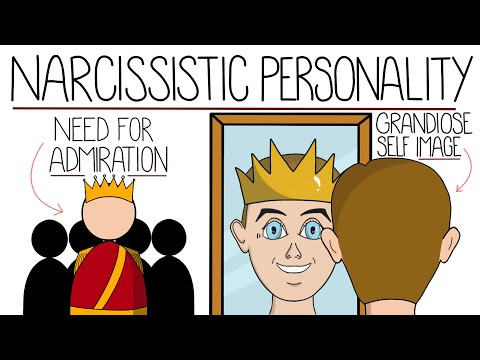
- Grandiosity: People with NPD often have an inflated sense of importance. They feel like they’re better than everyone else—like they were meant for greatness.
- Need for Admiration: They crave compliments and praise. Seriously, it can be overwhelming when they don’t get that validation.
- Lack of Empathy: This is huge. A big part of NPD is having trouble recognizing or caring about others’ feelings.
- Exploitativeness: Relationships can feel one-sided because they often take advantage of other people to get what they want.
- Arrogance: You might notice a sort of snobbish attitude. They may belittle others as if they’re above them.
Now, just because someone shows some narcissistic traits doesn’t mean they’ve got NPD! Seriously—you can have traits without having the full-blown disorder.
Here’s where it gets interesting: Narcissism exists on a spectrum. So, you might meet someone who has a couple of those traits but isn’t necessarily living their life as if they’re on stage all the time.
But wait—there’s more! It’s important to recognize that underlying issues can play a role here too. Sometimes, folks with NPD might be masking deep insecurities or past trauma—and that’s a whole different ball game!
Like I remember this one friend who seemed super self-centered but later opened up about feeling inadequate due to childhood experiences. It was eye-opening, honestly!
And then there’s treatment—because yeah, these traits can seriously impact relationships and quality of life. Often therapy focuses on building empathy, improving relationships, and addressing those underlying feelings you might not see at first glance.
So yeah, understanding narcissism through the DSM-5 lens gives us insight into not just behaviors but also deeper emotional struggles that people may face—and it’s crucial for anyone working in mental health or just trying to navigate their own relationships with narcissistic tendencies around them.
Understanding Narcissism: Is It a Mental Illness or Just a Personality Trait?
Narcissism can feel like one of those buzzwords that you hear thrown around everywhere. People often call someone narcissistic when they seem self-centered or attention-seeking. But the reality is a bit more complex, and it’s worth breaking it down.
So, first off, **narcissism** isn’t just a personality trait. In fact, there’s a medical guideline called the DSM-5 (Diagnostic and Statistical Manual of Mental Disorders) that classifies **Narcissistic Personality Disorder (NPD)** as a mental illness. This isn’t just about being vain or conceited; it’s a pattern of grandiosity, need for admiration, and lack of empathy.
Now, you might wonder: what makes it different from just having some narcissistic traits? Well, here’s where things get interesting. Not everyone who has narcissistic traits has NPD. It becomes a disorder when these traits start affecting the person’s relationships and daily life.
Here are some key points to keep in mind:
- The DSM-5 lays out specific criteria for diagnosing NPD.
- People with NPD often believe they’re special or unique.
- They crave admiration from others.
- Lack of empathy is a huge hallmark—like being unable to recognize or care about other peoples’ feelings.
- They may exploit relationships for personal gain.
I know it sounds heavy, but let’s look at an example to clarify things further. Imagine someone who constantly brags about their accomplishments and expects praise without considering how others feel. They might not even notice when their friend is upset because they’re too focused on themselves.
Another thing to consider is that narcissistic traits exist on a spectrum; not everyone with these traits will fit neatly into the NPD box. Some folks might have some characteristics but still function well enough in their lives without causing too much trouble for themselves or those around them.
So where does this leave us? It becomes important to approach narcissism with nuance. Just because someone seems self-absorbed doesn’t mean they have NPD. On the flip side, understanding that these behaviors could point to a deeper issue can be vital if you’re in a relationship with someone who exhibits extreme narcissism.
Remember: if you’re dealing with someone who shows signs of this disorder–whether as a friend or family member–it can be pretty tough emotionally. Setting boundaries is crucial so you’re not overwhelmed by their lack of empathy or constant need for validation.
Understanding DSM-5 Narcissistic Personality Disorder: Complete PDF Guide and Insights
Narcissistic Personality Disorder (NPD) is one of those terms you hear tossed around a lot, but let’s break it down. According to the DSM-5, which is basically the encyclopedia for mental health professionals, NPD is characterized by a pattern of grandiosity, need for admiration, and a lack of empathy. Sounds intense, right?
So here’s what that looks like in real life: Imagine having a friend who constantly needs to be the center of attention. They might boast about their achievements all the time and get upset if others don’t praise them as much as they want. And when someone else tries to share their own story? Well, your friend might not really listen or even care.
Now, let’s dive into some key features of NPD according to the DSM-5:
- Grandiose Sense of Self-Importance: People with NPD often exaggerate their achievements or talents.
- Preoccupation with Fantasies: They might obsess over power, success, or beauty—they’re often living in a dream.
- Believing They’re Special: They think they can only be understood by other special people or institutions.
- Need for Excessive Admiration: Constant praise is crucial; without it, they might feel deflated.
- Sense of Entitlement: They expect favorable treatment and can get really impatient if things don’t go their way.
- Lack of Empathy: This makes it hard for them to recognize or care about others’ feelings.
- Envious Behavior: Often envious of others or believing that others are envious of them—it’s like this perpetual competition.
- Pompous Attitude: Their demeanor can come off as arrogant; you know that vibe when someone thinks they’re better than everyone else?
These traits can cause serious problems in relationships and at work. It doesn’t just hurt the person with NPD but also those around them. For example, let’s say you have a coworker who displays some NPD traits. When they keep taking credit for team ideas and brush off any critique, it creates this toxic environment where trust plummets. Ugh.
A big question people ask is why does this happen? Well, it’s not entirely clear-cut. Some studies suggest it could relate to early experiences—like excessive pampering or harsh criticism during childhood—messing with one’s self-esteem.
Treating NPD isn’t exactly easy either! Therapy might focus on building empathy and understanding relationships better. But honestly? Many people with NPD may not feel like they need help because they don’t see anything wrong—like trying to explain colors to someone who’s never seen!
In summary, narcissism according to the DSM-5 isn’t just about being vain; it’s an actual mental health disorder impacting how someone interacts with the world around them. If you think you know someone who fits this description—or maybe even yourself—it could be worth talking it through with a pro!
Narcissism is one of those buzzwords we hear thrown around a lot these days, right? You might roll your eyes when someone describes a friend or an ex as, like, a total narcissist. But the thing is, it’s not just a personality quirk or an annoying trait; it’s actually laid out in the DSM-5 framework under what they call “Narcissistic Personality Disorder.” It’s kind of a big deal in mental health terms.
So, here’s the scoop: Narcissistic Personality Disorder (NPD) isn’t just people being self-absorbed or vain. It goes deeper. Folks with NPD often feel this intense need for admiration and struggle with a lack of empathy. You know how sometimes you talk to someone who seems really into themselves and doesn’t really listen to what you’re saying? That’s pretty much the vibe with narcissism. They can be charming at first but if you need them to connect on an emotional level, good luck with that.
A story pops into my head about my friend Sarah. She got involved with someone who had all the classic traits: charming on dates but would switch from being super sweet to downright dismissive if things didn’t go his way. At first, she thought he was just confident—smart and successful—but after months of emotional ups and downs, she began to see how draining it was. This guy could never handle feedback without becoming defensive or even angry. In her case, it felt less like love and more like walking on eggshells.
Now, looking at this through the DSM-5 lens helps us understand it better. To get diagnosed with NPD, there are specific criteria that need to be met: grandiosity in self-importance or achievements, craving excess admiration, and having that serious lack of empathy I mentioned earlier—like they can’t really put themselves in someone else’s shoes at all.
But here’s where it gets tricky: not everyone who shows some narcissistic traits falls into the “disorder” category. We all have moments where we’re a bit self-centered; life gets overwhelming sometimes! It’s only when these characteristics become inflexible and lead to significant issues in relationships or daily functioning that professionals consider it more than just personality quirks.
It’s like trying to figure out if that person is just going through a rough patch or if their behavior is part of something bigger—a personality disorder influencing their mental health and relationships with others.
So yeah, if you ever find yourself caught in that cycle with someone who feels «narcissistic,» remember there’s more going on than meets the eye. The definition may help clarify things for you—or at least give you some peace knowing it’s not just you feeling off when dealing with them! And hey—if feelings get overwhelming for you while navigating such dynamics? Don’t forget to take care of your own mental wellness too!