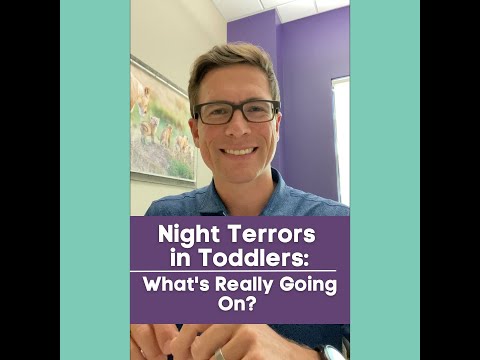
Ever wake up in a cold sweat, heart racing? Yeah, it’s like that—but imagine being a kid. Night terrors can be totally baffling, right? One moment they’re sleeping peacefully, and the next, they’re screaming and thrashing around.
This blog provides content for informational, educational, and reflective purposes only. The information published here does not constitute medical, psychological, or psychiatric advice, and it does not replace the evaluation, diagnosis, treatment, or individualized guidance of a properly licensed professional. If you believe you may be experiencing a psychological or health-related issue, consult a qualified professional as soon as possible before making important decisions about your well-being. Do not self-medicate or start, stop, or change medications, therapies, or treatments on your own. While we aim to provide useful and accurate information, we do not guarantee that it is complete, current, or suitable for every situation. Your use of this content is at your own risk, and reading it does not create a professional, clinical, or therapeutic relationship with the author or this website.
Most kids grow out of it, but figuring out why night terrors happen can be a wild ride. Seriously, there’s some science behind it all. And it often starts at a pretty young age. So let’s chat about when these spooky episodes typically pop up and what might be going on in those little heads of theirs. You ready?
Understanding Night Terrors in Children: At What Age Do They Typically Begin?
Children’s sleep can be fascinating, and sometimes a bit scary, especially when it comes to something like night terrors. If you’ve ever had a child who suddenly screams and thrashes around in their sleep, you know how alarming that can be. So, let’s take a closer look at what night terrors are and when they usually start.
Night terrors are a type of parasomnia, which is just a fancy term for abnormal behaviors during sleep. Unlike nightmares, which children often remember afterward, night terrors usually leave them confused and with no memory of the event. Imagine waking up from a vivid nightmare but with none of the scary details—just pure panic.
Now, when do these night terrors typically kick off? They often start between the ages of **3 and 12**, but most commonly around **4 to 5 years old**. That’s when kids are deep in that stage of development where their brains are busy processing all sorts of new experiences. Can you picture your little one at this age? They might be starting school or making new friends—it’s exciting but also overwhelming!
Here’s how it usually goes down during an episode:
- Your child may sit up in bed, eyes wide open.
- They might scream or cry as if they’re terrified.
- They could be difficult to wake up or comfort.
- The whole episode can last anywhere from a few minutes to half an hour.
It sounds super intense! Most kids outgrow these episodes by the time they hit adolescence. But what causes them? Well, things like stress, fatigue, fever, or even irregular sleep schedules can play a part—so those nights when your kid skips naptime might be risky.
One thing that can really help is keeping a consistent bedtime routine. You want to create that calm environment before sleep where your child feels safe and relaxed. Think of it as providing a warm-up for their little brains before they hit dreamland.
If you’re ever worried about your child’s night terrors or if they seem really extreme—like happening frequently or affecting their overall well-being—it’s always cool to check in with a pediatrician or sleep specialist. They can give you reassurance and tips tailored just for your family.
So there you have it! Understanding night terrors isn’t just about knowing when they start; it’s about being there for your kiddo through those confusing and sometimes frightening moments. Your little one will likely grow out of these phases before you know it!
Understanding Night Terrors: Are They Linked to ADHD or Autism?
Night terrors can be pretty scary, right? Imagine waking up in the middle of the night, feeling intense fear, confusion, or even screaming without really knowing why. It’s a real thing that can mess with not just you but also your little ones. So, let’s chat about what night terrors are and whether they’re linked to conditions like ADHD or autism.
What Are Night Terrors?
Night terrors are a type of sleep disturbance that usually happens during non-REM sleep. This is when your body is supposed to be in a deep sleep. Kids experiencing night terrors might sit up in bed, scream, or even thrash around. But here’s the kicker—most of them don’t remember any of it the next morning. Can you imagine being so frightened and having no clue why?
When Do They Happen?
They often pop up in children between the ages of 3 and 12. Most kids outgrow them eventually, which is reassuring! But if you’re a parent dealing with this, it can feel intense and concerning. You might think back to when your kid had their first episode; for some parents, it’s shocking to see their child so distressed while being completely unaware.
Are Night Terrors Linked to ADHD or Autism?
Now onto the big question: Do night terrors relate to ADHD or autism? The research here isn’t super clear-cut. Some studies suggest that there may be a connection between night terrors and certain neurodevelopmental disorders like ADHD and autism spectrum disorder (ASD). Here’s a thought—children with these conditions tend to have more sleep disturbances overall.
That said, not every kid who has nights filled with terror has ADHD or autism. So it’s not as simple as saying if one exists, so does the other.
What Should You Do?
If your child is having frequent night terrors, check in with a healthcare professional for advice tailored specifically for your situation. It could help ease your worries—and maybe even find ways for your little one to cope better at bedtime.
Parents often feel helpless watching their kids go through something so distressing. One mom shared how her son started having night terrors after starting school and facing all this new social pressure—she had no idea how connected those experiences were until they talked about it more.
In short, while there might be connections between night terrors and conditions like ADHD or autism, they’re complex issues that deserve individual attention! It’s essential not just to look at surface symptoms but also understand what’s going on underneath their sweet little heads at bedtime…and beyond!
Identifying Night Terrors in Toddlers: Common Misdiagnoses and Alternative Explanations
So, night terrors in toddlers, huh? These little episodes can be pretty alarming—not just for kids but for parents too. Imagine your tiny one screaming in the middle of the night, looking utterly terrified but not awake. It’s like something straight out of a horror movie! But here’s the thing: while these episodes can be scary, they don’t always mean there’s something seriously wrong.
What are night terrors? Well, they’re different from nightmares. During a night terror, a child may:
- Scream or cry
- Show signs of extreme fear
- Be difficult to comfort
- Not remember it the next morning
These often occur during deep sleep stages and typically happen in the first few hours after falling asleep. It’s more common in kids between ages 3 and 12.
Now, talking about misdiagnoses, you wouldn’t believe how often these are confused with other sleep disorders. Some folks might think it’s a seizure or even a psychological issue like anxiety—totally off base! A thorough understanding of what’s going on is super important, so let’s break it down.
One common misdiagnosis is sleepwalking. Both involve a child being somewhat “out of it” during their slumber, but sleepwalkers can usually be guided back to bed and have some awareness of their actions. Night terrors? Not so much.
Another scenario is mistaking night terrors for nightmares. Nightmares tend to wake kids up fully and they can recall the scary dream afterward. With night terrors, they remain largely unaware, which makes it a whole different ballgame.
On top of those mix-ups, sometimes kids might show signs that could look like anxiety or stress—like clinginess or trouble sleeping. Parents might jump to conclusions about mental health issues when really it could just be typical toddler behavior—or even a phase linked to growing pains or changes at home.
Speaking from experience—a good friend once told me her three-year-old daughter would scream bloody murder at two in the morning for no apparent reason. After some research and explaining from her pediatrician, she learned that what seemed like extreme panic was just night terrors. Once they set up a calming bedtime routine and ensured no major changes were happening around nap time—like starting preschool—the intensity of those episodes dropped significantly.
So what causes these nighttime disturbances? There isn’t always one clear answer but factors can include:
- Lack of sleep or irregular sleep schedules.
- Stressful situations or changes (like moving homes or welcoming a new sibling).
- Certain medications that may alter sleep patterns.
- If there’s a family history—sometimes it runs in families!
Addressing these underlying issues and ensuring your little one has a steady routine can really help minimize occurrences.
In short, if you notice your toddler having these episodes regularly—or if you’re worried about misdiagnoses—it might be wise to chat with your healthcare provider about them. Remember: knowledge is power! You’re doing great by seeking understanding on this wild ride called parenthood!
Night terrors can be really intense, can’t they? Picture this: you hear your kid screaming in the middle of the night. You rush into their room, and they’re sitting up, eyes wide but not really awake. It’s pretty terrifying for both kids and parents. So, what exactly is going on with these night terrors?
They usually start between ages three and eight, though some kids might experience them even earlier or later. It’s like they’re caught between sleep states. You know how sometimes you wake up groggy? Well, imagine that feeling but combined with pure fear and confusion. That’s what these night terrors are like.
I remember a friend telling me about her little boy who would bolt out of bed screaming about monsters that weren’t there. She described it as watching him panic while being completely unaware of her presence or the reality around him. That helpless feeling as a parent must’ve been overwhelming.
The thing is, most kids outgrow them by the time they hit their teenage years—thank goodness! And while they’re not usually harmful, they can mess with everyone’s sleep in the house. If your child experiences these episodes often, it might help to establish a calming bedtime routine or even talk to a pediatrician for extra support.
In essence, while night terrors can be alarming and confusing for everyone involved, they’re typically just a phase that many kids pass through without any real long-term effects. So if you’re in that boat right now? Just hang in there; you’re not alone!