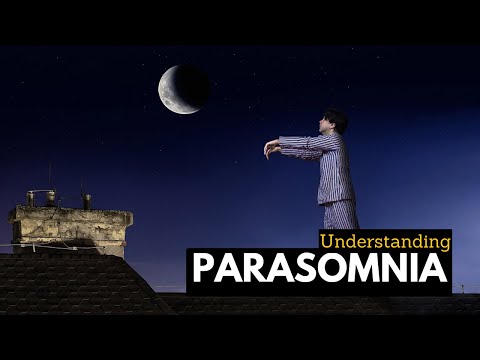
You ever wake up in a panic, not really sure what just happened? Or maybe you’ve seen your buddy sleepwalking around at 2 AM? Yeah, that stuff is wild.
This blog provides content for informational, educational, and reflective purposes only. The information published here does not constitute medical, psychological, or psychiatric advice, and it does not replace the evaluation, diagnosis, treatment, or individualized guidance of a properly licensed professional. If you believe you may be experiencing a psychological or health-related issue, consult a qualified professional as soon as possible before making important decisions about your well-being. Do not self-medicate or start, stop, or change medications, therapies, or treatments on your own. While we aim to provide useful and accurate information, we do not guarantee that it is complete, current, or suitable for every situation. Your use of this content is at your own risk, and reading it does not create a professional, clinical, or therapeutic relationship with the author or this website.
Well, that’s all part of this thing called parasomnia. It’s like a big umbrella term for all those strange sleep behaviors we might think are totally bizarre.
Picture it: you’re snoozing away and suddenly you’re acting out your dreams—or worse, waking up screaming. Doesn’t sound fun, huh?
So, let’s chat about these sleep disorders and why they happen. There’s more to it than just odd dreams or restless nights! You with me?
Understanding Sleep Paralysis: Is It REM or Non-REM Parasomnia?
Sleep paralysis can be a really creepy experience, right? You’re stuck, unable to move or speak, and sometimes you see things that aren’t there. It often happens when you’re waking up or falling asleep. So, what’s the deal? Is it part of REM sleep or non-REM sleep? Well, let’s break it down.
First off, sleep paralysis is classified as a type of parasomnia, which is a catch-all term for unusual behaviors during sleep. You know how sometimes you’ll wake up but your body feels like it’s still in dreamland? That’s pretty much what’s going on with sleep paralysis.
Now, to understand whether it’s REM or non-REM, we need to know a little about our sleep cycles. These cycles have two main stages: REM (Rapid Eye Movement) and non-REM. During REM sleep, that’s when we do a lot of dreaming and our muscles are actually paralyzed—this helps prevent us from acting out our dreams. So, if you get interrupted during this stage, boom! You might experience sleep paralysis.
On the other hand, non-REM sleep is when your body is more restful but still goes through various stages of light to deep sleep without those vivid dreams. So if someone experiences sleep paralysis in this state? That’s less common but can happen too.
Here’s where it gets interesting:
- Most episodes occur during REM: Most research suggests that most cases of sleep paralysis happen while someone is coming out of REM sleep.
- Hallucinations: This is the really scary part, where you might see shadowy figures or feel pressure on your chest.
- Tied to Sleep Disorders: Conditions like narcolepsy can make these episodes more frequent.
- Lack of Sleep: Not getting enough rest can trigger these creepy moments.
So yeah, when people talk about the “is it REM or non-REM?” question regarding sleep paralysis—the answer leans heavily toward REM. The brain wakes up while the body doesn’t quite follow suit yet.
I remember once hearing about a friend who experienced this firsthand. She woke up one night frozen in place; she could see her room clearly but felt an overwhelming weight on her chest and heard whispers around her. Talk about terrifying! Once she learned about it being linked to stress and lack of proper rest—she realized she needed better boundaries around her work-life balance.
In short, if you’ve found yourself lying there awake but feeling trapped in your own body—just know you’re not alone! Understanding that it usually comes from those oddly fascinating yet somewhat terrifying moments during REM might ease some anxiety surrounding the whole experience.
Effective Strategies for Managing Parasomnias: Tips for Better Sleep
So, let’s chat about parasomnias, those quirky sleep disorders that can really shake up your rest. They include things like sleepwalking, night terrors, and even sleep talking. If you or someone you know has experienced these wild nighttime escapades, you’re definitely not alone. Seriously, it can be a bit freaky when you think about it! But hey, there are ways to manage these little nighttime nuisances and improve your overall sleep quality.
First off, **understanding the triggers** of parasomnias is key. Stress and anxiety are often big culprits. Sometimes it’s all about what’s happening in your life or even your sleeping environment. Imagine tossing and turning because of a crazy day at work or feeling uneasy about something coming up—yeah, that can mess with your dreams too.
Another important step is establishing a consistent sleep schedule. Going to bed and waking up at the same time every day helps regulate your body’s internal clock. It may feel tough at first if you’re used to staying up late or sleeping in on weekends, but try to stick with it!
Among other tips:
You could even think about **keeping a sleep diary**. This way you track when you go to bed, what you ate, how stressed you were—it might help identify patterns over time. I knew someone who kept track for just a few weeks and realized that their sleep wasn’t great after they had pizza too late at night!
Another approach that has shown promise is **cognitive-behavioral therapy for insomnia (CBT-I)**. This isn’t just for insomnia; it really helps with many sleep issues by tackling negative thoughts around sleeping—and yes, that includes parasomnias. You’d work with someone who can help reframe those anxious thoughts into something more helpful.
If things get really outta hand—like if the night terrors are super frequent—you might wanna see a healthcare professional. There are medications out there that can help control severe cases of parasomnia but getting them prescribed depends on evaluating risk versus benefits after talking with a doctor.
To wrap it all up: managing parasomnias may require some trial and error plus a sprinkle of patience. But sticking to healthy habits like those I’ve mentioned can lead to much better nights over time—and who doesn’t want sweeter dreams?
Effective Parasomnia Treatments: Understanding and Managing Sleep Disorders
When it comes to sleep disorders, parasomnia can be a real pain. You know, those weird things we do while asleep that can seriously freak you out? Things like sleepwalking or night terrors? If you’ve ever woken up in the middle of a bizarre episode, you’re not alone. Parasomnia is actually more common than many people realize.
So, what exactly is parasomnia? Well, it includes a range of abnormal behaviors during sleep. This could be anything from talking in your sleep to acting out dreams. Sometimes it’s harmless, but sometimes it can be dangerous—for you or anyone around you. That’s why getting effective treatments is key.
Understanding Your Sleep Patterns
First off, to tackle parasomnia effectively, it’s important to really understand your own sleep patterns. Keeping a sleep diary can be super helpful here. You jot down when you go to bed, when you wake up, and any strange episodes that happen during the night. This isn’t just busy work; it helps both you and your doctor figure out what’s going on.
Talk Therapy: A Helpful Approach
Another effective treatment could be therapy. Seriously! Cognitive Behavioral Therapy for Insomnia (CBT-I) is one approach that might help manage those pesky symptoms. It’s about changing negative thoughts and behaviors around sleep—like worrying too much about what happens at night.
You know someone who once had night terrors? They were usually scared stiff and couldn’t even remember what happened after waking up. This person found therapy helped them confront their fears and reduce night terror occurrences significantly!
Medications: When They’re Needed
Now let’s chat about medications because sometimes they’re necessary too—especially if the episodes are frequent or unsafe. There are various kinds of medications that may help with sleep disorders overall, including those specifically targeting the symptoms of parasomnia. Always have a chat with your healthcare provider first though; they’ll know what’s best for your unique situation.
Lifestyle Changes Matter
But hey, don’t forget about lifestyle changes! Making small changes in your daily routine can have a big impact on how well you sleep at night. Here are some ideas:
- Avoiding caffeine and heavy meals before bed can make a difference.
- Creating a calming bedtime routine signals to your brain that it’s time to wind down.
- Sticking to a regular sleep schedule helps regulate your body’s internal clock.
One friend I know started meditating before bed instead of scrolling through her phone. She said this little change made her feel way more relaxed and less likely to have issues during the night.
Safety First!
Don’t overlook safety measures either! If you’re prone to things like sleepwalking or acting out dreams while sleeping, try securing your environment first—remove sharp objects and use gates if necessary so no one gets hurt during an episode.
In short, managing parasomnia isn’t one-size-fits-all but understanding your unique situation is crucial for finding solutions that work for you. Sleep well!
Parasomnia, huh? It’s one of those topics that doesn’t get nearly enough spotlight, even though it can be pretty wild and a bit scary. So, what’s the deal with it? Well, basically, parasomnia refers to abnormal behaviors during sleep. You might be thinking of sleepwalking or night terrors—those are classic examples. But there’s more to it.
I remember a friend of mine who used to talk in her sleep all the time. One night, I woke up to her having what seemed like a full-on conversation with someone. She was laughing and responding, but in her dream world, she was hanging out with some famous actor! I couldn’t help but giggle when she told me about it later; she had no idea. It kind of felt like I was catching a glimpse into her dreams.
But seriously, for some folks, parasomnia can be way more intense and disruptive. There are people who physically act out their dreams and can even hurt themselves or others without realizing what they’re doing. It raises all sorts of questions about what’s happening in our brains while we snooze.
From a psychological perspective, these disorders often come down to how our brain manages different states of consciousness during sleep. Our minds are busy—we cycle through REM and non-REM sleep stages multiple times each night, you know? When something goes awry in that process—bam!—you get parasomnias.
Stress and anxiety play huge roles here too. If you’re juggling a million things or feeling overwhelmed, your sleep might reflect that chaos somehow. So if you’ve got friends who seem to have odd night habits or if you catch yourself wandering around at 2 AM like a zombie (not literally but you know), it might be worth digging into what’s going on beneath the surface.
It’s all complex stuff—the interplay between brain activity and emotional health is like this tangled ball of yarn no one seems to fully unravel yet! But the more we learn about these disorders, the better we can understand how vital quality sleep is for keeping our minds healthy.