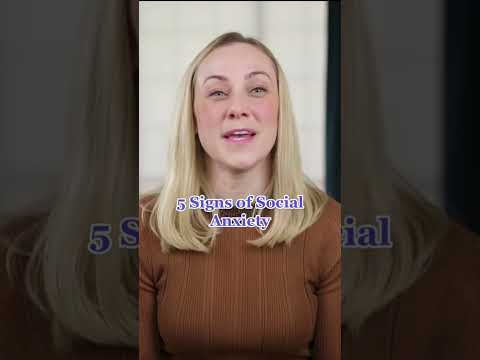
So, social anxiety. Yeah, it’s a real thing. Like, we’ve all felt that little twinge of fear when faced with a crowded party or even just striking up a convo with someone we don’t know.
This blog provides content for informational, educational, and reflective purposes only. The information published here does not constitute medical, psychological, or psychiatric advice, and it does not replace the evaluation, diagnosis, treatment, or individualized guidance of a properly licensed professional. If you believe you may be experiencing a psychological or health-related issue, consult a qualified professional as soon as possible before making important decisions about your well-being. Do not self-medicate or start, stop, or change medications, therapies, or treatments on your own. While we aim to provide useful and accurate information, we do not guarantee that it is complete, current, or suitable for every situation. Your use of this content is at your own risk, and reading it does not create a professional, clinical, or therapeutic relationship with the author or this website.
You’re not alone in this. Seriously! Many folks feel like they’re walking on eggshells around people. It can be overwhelming and, honestly, really tiring.
But here’s the scoop: you can learn to navigate those tricky moments. You can push through that fear and feel more at ease in social situations.
Let’s break it down together! We’ll tackle what it feels like, what causes it, and how you can handle those anxious vibes when they creep up on you. Sound good? Cool!
Quick Tips to Conquer Social Anxiety and Boost Your Confidence
Social anxiety can feel like a heavy backpack you just can’t seem to shake off. It’s that nagging worry about being judged or embarrassed in social situations. So, you want to conquer that and boost your confidence? Let’s break it down.
Understand Your Triggers
First things first, knowing what triggers your anxiety is key. Is it speaking up in class? Going to parties? Once you identify those situations, you’re halfway there. Try jotting down the scenarios that make you anxious. It’s like turning on the lights in a dark room; suddenly, things don’t seem so scary.
Practice Deep Breathing
Before stepping into a social situation, take a moment for some deep breaths. Inhale deeply through your nose for a count of four, hold it for four, and exhale slowly for four. Doing this helps calm your mind and body. You might find it easier to approach people afterward.
Start Small
You don’t need to jump into the deep end right away! Start with low-pressure situations. Like saying «hi» to a neighbor or chatting with a cashier. These tiny victories will help build your confidence over time.
Visualize Success
Picture this: you’re at a party, and instead of feeling anxious, you’re laughing and chatting away. Visualizing positive outcomes can make them feel more attainable. Spend a few minutes each day imagining successful interactions.
Challenge Negative Thoughts
Your brain can be its own worst enemy sometimes. Challenge those negative thoughts like “Everyone will laugh at me” by asking yourself if they’re really true or if there’s evidence against them. It often turns out that those fears are all in your head!
Create Conversation Starters
Having some go-to topics can ease the pressure of coming up with something to say on the spot. Think about things like movies, books, or even asking someone about their weekend plans—you know? Simple stuff! This way, you’re not blanking out in conversations.
Acknowledge Your Progress
Celebrate those small wins! If you managed to chat with someone new or went to an event you’d typically avoid, give yourself credit! Keep track of these moments so they serve as reminders after tougher days.
Seek Support if Needed
Sometimes tackling social anxiety alone can be really tough—totally okay! Talking to friends or even seeking professional help can provide some valuable tools and support along the way.
Remember that overcoming social anxiety won’t happen overnight; it’s all about progress at your own pace. So keep trying different strategies until something feels right for you!
Take the Social Anxiety Test: Discover Your Comfort Level in Social Situations
When you think about social anxiety, you might picture someone avoiding parties, feeling super awkward at gatherings, or even breaking out in a sweat just thinking about talking to someone new. It’s not just shyness; it can be pretty overwhelming. So, let’s dive into what social anxiety really is and how to figure out where you stand with it.
Social anxiety is more than just feeling nervous around people. It’s that paralyzing fear of being judged or embarrassed in social situations. You might find yourself overthinking conversations or worrying intensely about what others think of you. Sometimes, the thought of going to an event can seem like climbing a mountain.
If you’re curious about your comfort level in social situations, then taking a social anxiety test could help clarify things for you. These tests usually consist of questions regarding how you feel in various scenarios, ranging from simple chats with friends to large gatherings where lots of people are around.
- Do you avoid making eye contact during conversations?
- Are you worried people are judging your actions or appearance?
- Do you often feel the need to escape social events early?
Now, take a moment to imagine your last social event—maybe it was a friend’s birthday party or even a work function. Did the thought of being there leave you feeling anxious? Did you find yourself counting down the minutes until you could leave? That’s part of figuring out where your comfort level lies.
After taking a test like this, what happens next? Well, scores can vary widely. A lower score might suggest that navigating these situations doesn’t cause much distress for you. But if your score is on the higher side, it might mean that those feelings of unease are more prevalent.
Coping strategiess can help manage those feelings if it turns out social anxiety is affecting your daily life. Simple techniques like practicing mindfulness—focusing on the present moment—or preparing small talk topics ahead of time can work wonders. You know? Just having that little extra prep can boost your confidence!
A friend once shared that before big family gatherings, they would spend hours replaying conversations in their head and worrying about what everyone would think—a classic sign! They started using breathing exercises before entering the room and found themselves feeling more at ease.
But here’s something important: if your discomfort around others feels unmanageable or leads to avoidance behaviors that impact relationships or job opportunities, reaching out to a therapist who specializes in social anxiety disorder could make all the difference.
In short, understanding where you stand with social anxiety can empower you to take steps towards feeling better in crowded spaces or one-on-one chats. Whether it’s through self-assessment tests, coping strategies, or professional help—you’re not alone in this journey!
Effective Strategies for Overcoming Social Anxiety: A Comprehensive Guide to Treatment Options
Social anxiety can feel like a heavy backpack that you just can’t take off. It makes everyday interactions—like chatting with coworkers or ordering a coffee—feel like climbing a mountain. You’re not alone in this struggle, and there are ways to lighten that load. Let’s break down some effective strategies to tackle social anxiety.
Cognitive-Behavioral Therapy (CBT) is like that trusty map when you’re lost in the woods. It helps you understand how your thoughts affect your feelings and behavior. For instance, if you believe people are judging you during conversations, CBT guides you to challenge those thoughts. Maybe those folks are actually more focused on their own worries! Talking to a therapist who specializes in CBT can be incredibly helpful.
Another technique that works wonders is exposure therapy. Imagine it like dipping your toes into cold water before diving in—the idea is to gradually face what scares you. You might start by just imagining talking to someone, then move on to practicing small talk with a friend. Over time, these mini-exposures can help decrease your anxiety.
Mindfulness and relaxation techniques are also key players here. They’re about tuning into the present moment, which can be super grounding when anxiety hits. Try deep breathing exercises or meditation as tools to help calm those racing thoughts before social situations. Just sitting quietly for five minutes and focusing on your breath can make a big difference!
Part of the journey involves building social skills. Practicing how to start conversations or read social cues can boost your confidence significantly. You could join clubs or groups where the pressure’s low, just for practice. Think about something fun like improv classes—they’re all about being spontaneous and playful!
Medication might also come up if your anxiety feels overwhelming despite trying other methods. If you’re considering this option, it’s important to chat with a doctor who understands mental health medications well; they can help find something that fits your needs.
Finally, don’t underestimate the power of support groups. Connecting with others who get what you’re going through can feel like finding an oasis in a desert of loneliness. Sharing experiences and tips with people who truly understand often makes tackling social anxiety less daunting.
To sum it up:
- Cognitive-Behavioral Therapy (CBT): Learn how thoughts influence feelings.
- Exposure Therapy: Gradually face fears step-by-step.
- Mindfulness Techniques: Stay grounded in the present moment.
- Building Social Skills: Practice conversation strategies in low-pressure settings.
- Medication: Consider under guidance from knowledgeable professionals.
- Support Groups: Share experiences with others facing similar challenges.
So yeah, overcoming social anxiety takes time and effort, but it’s totally possible! Each small step forward counts, so keep going—you got this!
So, social anxiety, huh? It’s like this heavy cloud that can follow you around, especially in situations where you just want to fit in or connect with others. I remember a time when I was at a party—like, everyone seemed to be having a blast, laughing and chatting. Meanwhile, I was standing by the snack table trying to look casual but feeling like my heart was about to jump out of my chest. You know that feeling? It’s almost like your mind is screaming, “Don’t say anything dumb! Don’t trip over your words!”
For many people with social anxiety, those everyday interactions can feel overwhelming. You might worry about what others think or obsess over tiny mistakes you made in conversations—like saying “thank you” too loudly or looking away for a second too long. It’s exhausting! And honestly? Even planning for social events can be a minefield of anticipation and dread. You might find yourself going through every possible scenario in your head: what if they ask me something I can’t answer? What if someone makes fun of me?
The thing is, social anxiety doesn’t just happen overnight; it’s often rooted in past experiences. Maybe someone teased you as a kid or you had an embarrassing moment that stuck with ya. Whatever it is, those feelings can linger and turn into this huge barrier that makes interacting with others feel like climbing Everest.
But here’s the kicker: even though it seems tough now, there’s hope. Therapy—or just talking with someone who gets it—can make such a difference. Cognitive-behavioral therapy (CBT) is pretty common for tackling this stuff; it helps by shifting how you think about social situations and teaches coping strategies too.
Of course, there are also those simple things we can try—like practicing small talks with friends or even in front of a mirror (sounds silly but hey!). Gradually pushing your boundaries can help build confidence over time.
Remembering that you’re not alone can be comforting too. Lots of folks deal with this on some level; it’s part of being human. So next time you find yourself sweating through another “Hey, how’s it going?” moment, just take a breath and remind yourself: You’ve got this!