Hey, let’s chat about anxiety pills. You know, those little tablets that seem to pop up everywhere these days? They’re not just casual conversation starters; they play a big role in how people manage their mental health.
This blog provides content for informational, educational, and reflective purposes only. The information published here does not constitute medical, psychological, or psychiatric advice, and it does not replace the evaluation, diagnosis, treatment, or individualized guidance of a properly licensed professional. If you believe you may be experiencing a psychological or health-related issue, consult a qualified professional as soon as possible before making important decisions about your well-being. Do not self-medicate or start, stop, or change medications, therapies, or treatments on your own. While we aim to provide useful and accurate information, we do not guarantee that it is complete, current, or suitable for every situation. Your use of this content is at your own risk, and reading it does not create a professional, clinical, or therapeutic relationship with the author or this website.
So, why are we even talking about this? It’s simple. Anxiety affects so many of us, like, daily. And for some folks, pills can be a lifeline. But it’s not all sunshine and rainbows—there’s a lot to unpack here.
We’ll dig into the most popular ones out there and what they really do for you. Are they magic? Not quite. But they can help in ways you might not expect. Stick around; it’s gonna be interesting!
Exploring the Effects of Zoloft on Paranoia: Does This Antidepressant Help?
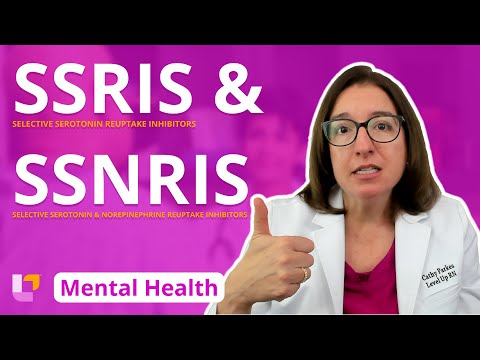
Zoloft, or sertraline, is one of those medications you might hear about a lot when discussing anxiety and mood disorders. It falls under the category of SSRIs, which stands for selective serotonin reuptake inhibitors. Basically, what it does is increase serotonin levels in your brain, which can help with mood swings and anxiety. Now, this brings us to paranoia, which can be a part of conditions like anxiety disorders or PTSD.
How does Zoloft fit into this picture? Well, it’s not specifically marketed for paranoia but has shown potential benefits for those experiencing it as part of broader anxiety issues. For many people out there struggling with intense feelings of being watched or judged—like someone’s always lurking in the shadows—Zoloft might just help put some of that noise to rest.
Let’s break this down a little more. Some effects of Zoloft on paranoia include:
- Reduction in anxious thoughts: By addressing the underlying anxiety that often fuels paranoid thoughts, Zoloft can help you feel less overwhelmed.
- Coping strategies: Many users report feeling clearer-headed when on Zoloft. This clarity can make it easier to distinguish between reality and irrational thoughts.
- Better emotional regulation: If you’re feeling less jittery or emotional all over the place, then that helps reduce paranoia too.
But let’s not pretend it’s a magic bullet. Some people might experience side effects when starting Zoloft—anything from nausea to changes in sleep patterns. And here’s where things get tricky: sometimes these side effects could lead to increased feelings of paranoia in certain individuals rather than easing them up.
I remember chatting with a friend who had been dealing with severe anxiety and some unsettling paranoid thoughts about work colleagues judging him unfairly. After starting Zoloft, he mentioned feeling slightly more grounded within a few weeks. He could finally focus on his tasks without being consumed by what others might think. But there were days he’d feel off balance too—just because the medication had its ups and downs.
So does Zoloft help with paranoia? The answer isn’t quite black and white. For many people who deal with anxiety-related paranoia, it can be beneficial as part of a larger treatment plan that might include therapy and lifestyle changes like exercise or meditation.
The thing is, if you’re thinking about trying Zoloft—or already using it and still feel stuck—it’s super important to keep an open line with your doctor or therapist about how you’re feeling. Medications affect everyone differently; what works wonders for one person may not do much for another.
In summary, while Zoloft isn’t explicitly designed for treating paranoia alone, there are indications that it may reduce some associated symptoms through its role in managing overall anxiety levels. Remember to keep talking things out along the way!
Top 10 Medications for Anxiety Relief: Effective Solutions to Manage Your Symptoms
Anxiety can really mess with your day-to-day life. It’s like this nagging cloud that hovers over you, sometimes for no reason at all. If you’ve been there, you know how tough it can get. Luckily, there are medications that can help ease that burden. Here’s a look at some common ones used for anxiety relief.
1. Selective Serotonin Reuptake Inhibitors (SSRIs): These are often the first go-to meds for anxiety. They work by boosting serotonin levels in your brain, which can help improve mood and reduce anxiety. Examples include fluoxetine (Prozac) and sertraline (Zoloft). It’s pretty common for people to notice a difference within a few weeks.
2. Serotonin-Norepinephrine Reuptake Inhibitors (SNRIs): Similar to SSRIs, but these also tackle norepinephrine, another neurotransmitter related to mood regulation. Meds like venlafaxine (Effexor XR) can be effective too.
3. Benzodiazepines: These are usually prescribed for short-term use because they act quickly—like within an hour or so—and help calm those racing thoughts or overwhelming feelings of panic. Drugs such as lorazepam (Ativan) and alprazolam (Xanax) fit into this category.
4. Buspirone: This is another option that doesn’t actually belong to the categories above but is used specifically for anxiety disorders. It’s not sedating like benzodiazepines, which makes it a good long-term choice for some folks.
5. Beta-blockers: While typically prescribed for heart issues, these meds can help with physical symptoms of anxiety like rapid heartbeat and shaking during stressful situations, say before giving a presentation or public speaking.
6. Antidepressants with Anxiety Benefits: Some antidepressants are also great at easing anxiety symptoms even if they aren’t specifically labeled as anti-anxiety medications—like bupropion, though it’s important to note that everyone reacts differently.
7. Pregabalin: This one is mainly used for fibromyalgia and nerve pain but has also been shown to decrease anxiety symptoms in some cases.
8. Hydroxyzine: This is an antihistamine that helps relieve anxiety without the addictive qualities found in benzodiazepines; doctors sometimes prescribe it when looking to avoid dependency issues.
9. Gabapentin: Often used to treat nerve pain, it has applications in anesthesia which means it might also help with certain types of anxiety in some people.
10. Atypical Antipsychotics: These aren’t the first-line treatment but sometimes docs will add them in when other medications don’t work as well as they hoped—like quetiapine.
Finding the right medication can take time and patience; what works wonders for one person might not do much for another. It’s super important you chat with a doctor about what you’re feeling and any concerns you have before starting or changing anything about your treatment plan.
Remember—it’s about finding what helps you best manage those pesky symptoms so you can lead your life without feeling weighed down by constant worry!
Understanding Common Psychiatric Drugs: Uses, Effects, and Considerations
Alright, let’s talk about some common psychiatric drugs, especially those used for anxiety. You know, anxiety can feel like a tight grip on your chest—seriously uncomfortable. For many people, medication can really help in managing those feelings.
What are these pills for? Well, anxiety medications are often designed to reduce the intensity of those anxious feelings and help you function better day to day. They come in different categories, each working a bit differently.
- Benzodiazepines: These are like your quick fixes—think Xanax or Ativan. They work really fast, providing relief in a short amount of time. But the catch is that they can be addictive if taken long-term.
- SSRIs: Selective serotonin reuptake inhibitors (yeah, fancy name) like Prozac or Zoloft take longer to kick in but can help balance your mood over time. They’re often prescribed for anxiety and depression.
- SNRIs: Serotonin-norepinephrine reuptake inhibitors, such as Effexor or Cymbalta, work similarly to SSRIs but target another chemical in the brain too. This might be useful if SSRIs aren’t cutting it.
You might wonder how these all actually work. So here’s the thing: neurotransmitters are like little messengers in our brain that control mood and emotions. Medications aim to balance these messengers out to keep you feeling more stable.
Side effects? Oh yeah, they exist. Some common ones include drowsiness or changes in appetite. With benzodiazepines specifically, you could feel fuzzy-headed and forgetful sometimes—definitely not great if you need to be sharp!
You should also have an open convo with your doctor about what works best for you because everyone’s body reacts differently—so it might take some trial and error with dosages or types of medication. Sometimes talking about how you’re feeling can make all the difference in figuring out what will jive with you best.
If you’re thinking about using these medications, remember that they’re not a magic bullet; they’re just one piece of the puzzle! Pairing them with therapy can offer even better outcomes because let’s face it: medication helps but understanding your thoughts and feelings plays a huge role too.
The bottom line? If anxiety feels like it’s taking over your life, reaching out for help is always a good move—whether that’s through therapy or meds—or both! And who doesn’t want to feel less anxious? It’s worth exploring options until you find what feels right for you!
Let’s talk about anxiety pills. You know, those little tablets people often turn to when the weight of the world feels way too heavy? So, here’s the deal: anxiety can hit hard—it’s like an uninvited guest that just won’t leave. But there’s hope, and for many, medication plays a role in managing those pesky symptoms.
A while back, I remember chatting with a friend who’d been dealing with anxiety for years. She felt like she was constantly on edge, and her daily life was becoming this exhausting uphill battle. After trying therapy and some lifestyle changes, she finally decided to give medication a shot. It took some time to find what worked for her—kind of like trying on different pairs of shoes until you find the perfect fit. But once she did? Wow. She told me it was like a fog lifting; she could breathe again.
Anxiety pills come in different types; you’ve probably heard of SSRIs (selective serotonin reuptake inhibitors) and benzodiazepines. SSRIs are more about long-term management—they help balance chemicals in your brain over weeks or months. So while they might feel slow at first, many people find them super helpful in the long run.
Benzodiazepines work faster but are usually meant for short-term relief because they can be addictive if used too often or for too long. It’s kind of a balancing act; you want relief without getting stuck in a cycle that’s tough to break.
But here’s where it gets real: while these meds can be effective, they’re not a magic solution. They work best when combined with therapy or lifestyle changes—like exercise or mindfulness practices—which help tackle the root of anxiety rather than just masking it. Some people might also experience side effects, which can feel frustrating when you’re already trying to navigate anxiety.
There’s this stigma around medications, though—like you’re somehow «less than» if you need them. But honestly? If something helps you lead a happier life and function better day-to-day? That’s worth celebrating! Your mental health journey is uniquely yours; whether that involves therapy, medication, or both is totally okay.
The thing is—just like my friend discovered—it’s super important to work closely with your doctor or therapist when figuring out what works for you. Everyone’s body reacts differently to meds, so it’s all about finding that sweet spot where you’re feeling good without unwanted side effects.
In the end, we’re all just trying to navigate our own paths through mental health challenges—and if anxiety pills can help someone take control of their life again? That’s pretty powerful stuff!