So, let’s chat about something that hits close to home for a lot of us: depression. It can feel like a heavy cloud just hanging over you. And sometimes, it doesn’t budge, no matter what you try.
This blog provides content for informational, educational, and reflective purposes only. The information published here does not constitute medical, psychological, or psychiatric advice, and it does not replace the evaluation, diagnosis, treatment, or individualized guidance of a properly licensed professional. If you believe you may be experiencing a psychological or health-related issue, consult a qualified professional as soon as possible before making important decisions about your well-being. Do not self-medicate or start, stop, or change medications, therapies, or treatments on your own. While we aim to provide useful and accurate information, we do not guarantee that it is complete, current, or suitable for every situation. Your use of this content is at your own risk, and reading it does not create a professional, clinical, or therapeutic relationship with the author or this website.
That’s where Rexulti comes in. Ever heard of it? It’s a medication that some folks find helpful when other treatments just aren’t cutting it anymore.
But here’s the thing: not everyone has the same experience with depression or treatment. It can be super frustrating, right? You think you’re doing everything “right,” but you still feel stuck.
In this piece, we’ll break down how Rexulti works and why it might be a game-changer for those struggling with resistant depression. If you’ve been feeling like nothing works, stick around; this might just spark some hope!
Effective Medications for Treating Resistant Depression: A Comprehensive Guide
Depression can be a real beast, especially when it doesn’t respond to typical treatments. Resistant depression is like that stubborn friend who won’t leave the party, even after you’ve tried everything to get rid of it. You’ve probably heard of various medications out there, and one that’s come up more recently is Rexulti, or brexpiprazole, which is used to help folks dealing with this tough situation.
So, what’s the deal with resistant depression? Well, it’s basically when you’ve gone through multiple treatments—like different antidepressants or therapy—and you still feel stuck in that dark place. Seriously frustrating, right? That’s where medications like Rexulti can step in.
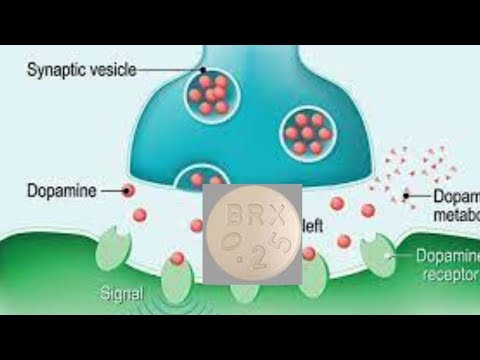
Rexulti works a bit differently than your standard antidepressants. It’s classified as an atypical antipsychotic but has some nifty properties that can help with depression. What happens is it targets certain receptors in your brain—specifically serotonin and dopamine receptors—which are all about mood regulation. This means it might help those who haven’t found relief with other meds.
Here are some things you should know about Rexulti:
- Prescription Use: It’s often prescribed alongside other antidepressants for better effect.
- Dosage: Doctors usually start at a low dose and might gradually increase it based on how you respond.
- Side Effects: While many people handle it well, some may experience weight gain or sedation. You’ve got to keep an eye on how you’re feeling.
- Efficacy: Clinical studies have shown improvements in depressive symptoms for many who struggled before—so there’s hope!
Now, let’s talk about what got me into this topic. I remember chatting with a friend who’d basically tried everything for her depression: therapy, exercise routines, yoga—you name it. Nothing seemed to work long-term until she finally talked to her doctor about combining an antidepressant with something like Rexulti. It was a game-changer for her! Slowly but surely, she started feeling brighter and more like herself again.
Of course, every person responds differently to medications; it’s not one-size-fits-all. Some folks may find relief quite quickly while others need more time—or they might need to adjust their dosage or try another approach altogether.
It’s crucial to remain open and communicative with your healthcare provider during this journey. You’re not just a number; your feelings matter! Keeping them in the loop helps figure out what’s working or if adjustments need to be made.
So the takeaway here? If you’re dealing with resistant depression and haven’t found that breakthrough yet, chatting about options like Rexulti could be worth considering—alongside continued support from therapy and lifestyle changes.
Just remember that finding the right treatment is often about trial and error—a bit of patience goes a long way!
Understanding the Timeline: How Long Does REXULTI Take to Alleviate Depression Symptoms?
So, let’s chat about Rexulti and how it fits into the timeline of alleviating depression symptoms. You might be feeling a bit overwhelmed by all the options out there, which is totally understandable. Here’s the scoop on what to expect when you start taking Rexulti.
First off, Rexulti (or brexpiprazole, if you want to get technical) is often used for people who haven’t had much luck with other antidepressants. That’s kind of the point—it’s like a second chance for your brain to find its groove again.
Now, when you start taking Rexulti, you probably won’t notice immediate changes. Most folks can expect to feel something after about one to two weeks. But seriously, don’t expect a miracle overnight. Your body needs time to adjust and respond to the medication.
After about four to six weeks, many people begin feeling more significant relief from their depression symptoms. It’s like slowly waking up from a long sleep; everything starts getting clearer over time. Your energy might return, and sad moods can lift a bit more each day.
However, it’s not all sunshine and rainbows right away. Some may feel side effects in those first few weeks—think tiredness or restlessness—which can be frustrating if you’re hoping for relief. It’s essential to talk to your doctor if this happens because they can help figure things out with you.
And here’s the deal: if after six weeks you’re not feeling better at all, it might mean that Rexulti isn’t the right fit for you. Everyone’s brain chemistry is different! Sometimes it takes a little switching around before finding what works best for your unique situation.
Let me share this brief story: I once talked to someone who started Rexulti after years of battling depression without success. They mentioned that while the first two weeks felt pretty rough—lots of ups and downs—they started noticing some lightness in their mood around week four. By week six? They were actually enjoying activities they hadn’t touched in ages! Just goes to show how patience pays off in this journey.
Ultimately, remember that maintaining an open line of communication with your doctor is key throughout this process. It allows them to make adjustments if needed and keep track of how you’re feeling as time goes on.
So basically, give it some time but check in regularly with your healthcare provider. They’re there for support! And remember: recovery isn’t a straight line; it has its twists and turns—so hang in there!
Understanding Rexulti: A Comprehensive Guide to Managing Depression and Anxiety
Rexulti, or brexpiprazole, is an interesting medication that people often hear about when discussing treatment options for depression and anxiety. It’s mainly used for individuals who haven’t had much luck with traditional antidepressants. If you’ve been feeling like your treatment isn’t making a dent, Rexulti might be worth a conversation with your healthcare provider.
So, here’s the deal: Rexulti is classified as an atypical antipsychotic, but it has some pretty unique properties that help with mood regulation. It works on certain receptors in the brain—specifically the dopamine and serotonin receptors. These two neurotransmitters play huge roles in how we feel. When they’re out of balance, things can get messy emotionally.
Now, you might wonder how this medication fits into the picture of depression and anxiety management. Depression can be a slippery slope; sometimes what works for one person just doesn’t cut it for another. That’s where Rexulti really shines. It’s often prescribed alongside other antidepressants to enhance their effectiveness, especially if those meds alone haven’t produced the desired results.
Here’s a quick rundown of its benefits:
- Compliments other treatments: If you’re already on an antidepressant but still feel lost in a fog, adding Rexulti could help boost your mood.
- Lower risk of side effects: Unlike some older medications, Rexulti tends to have fewer side effects, which is always a win.
- Fast-acting: While it might take weeks to see full benefits from some medications, patients often report improvements within just a few weeks.
Of course, like any medication, it’s not all sunshine and rainbows. Some people do experience side effects ranging from weight gain to feelings of restlessness or sleepiness. It’s critical to have open chats with your doctor about any issues you encounter along the way.
In my experience chatting with friends and clients about mental health stuff, everyone’s journey is unique. I had a buddy who struggled with major depressive episodes despite trying various meds over several years—it was pretty heartbreaking to watch him go through that cycle of hope and disappointment. Then he started taking Rexulti alongside his existing treatment plan and slowly began to feel more like himself again after feeling so stuck for ages.
One important note: never just stop or start taking any medication without consulting your doctor first! It can lead to withdrawal symptoms or make things worse instead of better.
So yeah, while Rexulti isn’t for everyone and isn’t some magic pill that fixes everything overnight—just like therapy or lifestyle changes—it can certainly play an important role in managing resistant depression and anxiety when other treatments fall short.
You know, when we talk about depression, it’s like this heavy fog that creeps in and just hangs around. Some days, it feels like it’ll never lift. For folks dealing with treatment-resistant depression, that fog can feel especially suffocating. You try therapy, maybe a couple of different meds, and still—nothing really changes. That’s where Rexulti comes into play.
Rexulti (or brexpiprazole) has been getting some attention for its role in treating this stubborn kind of depression. It’s pretty interesting because it works a bit differently than the usual antidepressants. Basically, it helps balance certain chemicals in your brain—like serotonin and dopamine—that are often out of whack when you’re feeling low.
I remember talking to a friend who had been battling depression for years. She tried everything—SSRIs, therapy—you name it. It felt like every time she thought she found something that might help, the clouds rolled back in again just as quickly as they’d lifted. Then her doctor mentioned Rexulti as an option to add to her current treatment plan. I didn’t know much about it at the time, honestly—but seeing her cautiously hopeful was something else.
The thing is, Rexulti isn’t a magic pill or anything wild like that; it takes time to kick in and show results—like several weeks sometimes! But she finally started feeling more like herself again—brighter and more engaged with life. It was like watching winter start to melt into spring; you could see her coming alive with each passing week.
Now, I’m not saying Rexulti is for everyone; everyone’s brain is so different! Side effects are part of the package too—you might experience weight gain or fatigue—and those can be tough pills to swallow (pun intended). But for some people out there, it’s one piece of their puzzle that helps them fight back against that relentless fog.
So if you’re somewhere on this journey of treatment-resistant depression—or know someone who is—it’s definitely worth having an open chat with your doc about options like Rexulti. Just remember: recovery looks different for everybody, and finding what works can take time and patience.