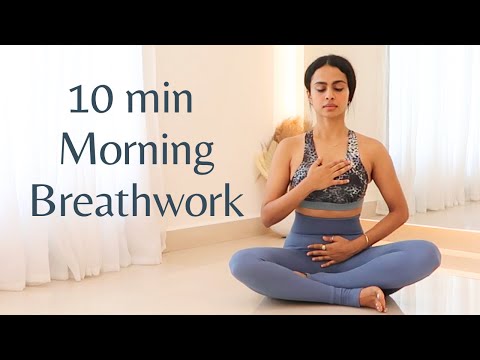
You know those moments when your mind’s racing a mile a minute? Yeah, we’ve all been there. Stress, anxiety, or just plain overwhelm can sneak up on you.
This blog provides content for informational, educational, and reflective purposes only. The information published here does not constitute medical, psychological, or psychiatric advice, and it does not replace the evaluation, diagnosis, treatment, or individualized guidance of a properly licensed professional. If you believe you may be experiencing a psychological or health-related issue, consult a qualified professional as soon as possible before making important decisions about your well-being. Do not self-medicate or start, stop, or change medications, therapies, or treatments on your own. While we aim to provide useful and accurate information, we do not guarantee that it is complete, current, or suitable for every situation. Your use of this content is at your own risk, and reading it does not create a professional, clinical, or therapeutic relationship with the author or this website.
But what if I told you there’s a way to hit the pause button? Seriously! Pranayama might just be the ticket. It’s not some mystical thing; it’s about breathing. Yep, deep breaths can actually help clear your head and lift your mood.
Imagine feeling lighter, calmer—like you can finally breathe again. Sounds nice, right? Let’s chat about how these breath techniques can boost your mental health and well-being. You in?
Unlocking Mental Wellbeing: Effective Pranayama Techniques for Enhanced Brain Health
Pranayama, the ancient practice from yoga, focuses on breath control. It’s like a hidden gem for mental wellbeing. Seriously, it can do wonders for your brain health. Let’s break this down.
First off, what is pranayama? It literally means «extension of breath» in Sanskrit. You know how when you’re stressed, you might take a deep breath? Well, pranayama takes that concept and runs with it. It involves various techniques for regulating your breathing patterns.
So, why should you care? Well, pranayama can help reduce anxiety and improve your mood. If you’ve ever felt overwhelmed at work or in life’s chaos, you’ve probably noticed how hard it is to think clearly. When you breathe deeply and focus on your breath, it can really help calm that storm in your mind.
Here are some key techniques to explore:
One time I was feeling really anxious before an important presentation at work. I took ten minutes to practice Nadi Shodhana before heading in. Honestly? It made such a difference! My heart rate slowed down, my thoughts became clearer—like flipping on a light switch.
But here’s the thing: consistency is key with these practices. Just like with exercise or learning an instrument, you won’t see huge changes overnight if you only do it once or twice.
Make sure to carve out some time each day for these techniques—even just five minutes can be enough to start seeing benefits over time. And no need for fancy mats or classes; find a quiet spot at home or outside where you feel comfortable.
And let’s not forget about the science behind all this! Deep breathing practices have been shown to lower levels of cortisol—the stress hormone—and improve overall brain function by enhancing blood flow to the brain.
So remember: whenever life gets overwhelming or stressful—and let’s be real, who hasn’t felt that?—turning towards pranayama could be just what you need to refresh yourself mentally and emotionally!
Unlocking Calm: The Mental Health Benefits of Bhramari Pranayama for Stress Relief
Bhramari pranayama, or «humming bee breath,» is this really cool breathing technique from yoga that’s been around for ages. Seriously, it’s like a little secret weapon against stress. So, what’s all the fuss about?
When you practice Bhramari, you make a humming sound as you exhale. This humming is not just for fun; it does some neat stuff to your body and mind. For instance, that vibration can help calm down your nervous system. Calming the nervous system means less stress and anxiety—who wouldn’t want that?
Here’s the deal: when we’re feeling stressed, our breath usually gets shallow and fast. But with Bhramari, you’re focusing on taking deep breaths instead. And here’s where it gets interesting: this deep breathing helps increase the level of oxygen in your body. More oxygen can lead to more energy and better mood! So, it’s like a mini reset button for your day.
One thing you’ll notice is how Bhramari can help reduce feelings of anger or frustration too. Think about it like this: imagine a time when everything felt overwhelming—work deadlines stacking up, family drama, just life hitting hard. After a few rounds of Bhramari—closing your eyes, breathing in deeply—you might feel those heavy feelings start to lighten up.
Now let’s get into some key points about this technique:
- Easy to learn: You don’t need any equipment or fancy skills.
- Accessible: Anyone can do it; you can do it sitting on your couch if you want!
- Immediate effects: Many people notice they feel calmer shortly after practicing.
- Mental clarity: The practice can lead to improved focus and concentration.
- Sleeplessness relief: If stress keeps you up at night, give Bhramari a shot before bed.
Also, practicing with others can amplify these benefits. You know that feeling when you’re in a group doing something together? It creates this vibe of support and connection which is super helpful for mental health.
To wrap it all up (not too neatly though), if you’re looking for ways to chill out amid life’s chaos, consider trying out Bhramari pranayama. Just find a quiet spot and hum away! You might be surprised by how something so simple could make such a difference in managing stress and enhancing overall well-being.
Unlocking Mental Clarity: The Benefits of Ujjayi Pranayama for Stress Relief and Well-Being
Stress can feel like you’re carrying a boulder uphill, right? You know that tightness in your chest, the racing thoughts, and the constant gnawing anxiety? That’s where Ujjayi Pranayama comes into play. It’s a breathing technique rooted in yoga, and it has some pretty neat benefits for mental clarity and emotional well-being.
Ujjayi Pranayama is sometimes called “victorious breath.” So what’s the deal with it? Basically, you create a gentle constriction in your throat as you breathe. This makes your breath sound a bit like ocean waves. Not to get all zen or anything, but it helps focus your mind. And when your mind’s focused, stress feels way less heavy.
Here are some of the key perks of Ujjayi Pranayama for stress relief:
- Boosts Concentration: When you practice this technique, it helps silence that mental chatter. You might find it easier to concentrate on tasks or even just be present.
- Reduces Anxiety: The calming rhythm of your breath can help reduce anxiety symptoms significantly. Just imagine taking deep breaths during a stressful moment; it’s a game changer.
- Improves Mood: Regular practice may enhance your mood over time by promoting relaxation and reducing stress hormones in the body. It’s like giving yourself a little mood boost.
- Aids Mindfulness: Ujjayi Pranayama encourages mindfulness since you’re focusing on each inhalation and exhalation. This can lead to greater awareness of your thoughts and feelings.
Imagine this: you’re feeling overwhelmed at work or home—maybe you’ve got deadlines looming or family drama brewing. Whatever it is, just stepping back for a few minutes to practice Ujjayi can make such a difference. Find a quiet spot, close your eyes if you want to, and start breathing deeply through your nose while making that ocean-like sound in the back of your throat.
It might feel strange at first! But that’s okay; it’s all part of the process. Over time, you’ll notice how much easier it becomes to chill out in stressful situations or regain focus when distractions pop up.
Also worth mentioning is that doing Ujjayi Pranayama regularly isn’t just about those moments of stress; it’s about building resilience too. Picture yourself dealing more calmly with life’s curveballs—like those annoying little things that usually get under your skin.
So if life feels chaotic sometimes—and let’s be real, whose doesn’t?—try incorporating Ujjayi Pranayama into your daily routine. You could start with just five minutes each day! It’s simple yet effective and might just transform how you handle stress and embrace life’s ups and downs.
In summary, while it may not solve all problems overnight (I wish!), committing to this breathing technique can be a strong ally in fostering mental clarity and emotional well-being over time. So give yourself permission to breathe deeply—you deserve that peace!
So, let’s chat about pranayama techniques. You know, those breathing exercises that come from yoga? They can be pretty amazing for your mental health and overall well-being. Seriously, it’s like having a little self-care tool right at your fingertips.
I remember the first time I tried it. I was feeling super stressed after a long week of work. In fact, everything just felt heavy, like I had a million thoughts spinning around in my head. A friend suggested I give pranayama a shot. At first, I was all “Really? Breathing exercises?” But let me tell you, after just a few minutes of deep breathing, something shifted inside me. It was as if the weight started to lift just a little.
So here’s the deal: pranayama is all about regulating your breath to affect your mind and body positively. The best part? You don’t need to be an expert or even attend a fancy class; you can do it right at home! Just sit comfortably, close your eyes, and focus on your breath.
There are different techniques too—like alternate nostril breathing or box breathing—which sound fancy but are super simple to learn. For instance, with box breathing, you breathe in for four counts, hold for four counts, breathe out for four counts again and hold for another four before repeating the cycle. It’s calming and can really help clear that mental fog.
What happens is that focusing on your breath helps quiet those racing thoughts we all get sometimes. When you’re paying attention to how you breathe in and out, it’s like giving your brain a mini vacation! And honestly? It feels good to take those few moments just for yourself amid life’s chaos.
Plus, studies suggest that regular practice can lower stress levels and improve mood—seriously! Whenever I’m feeling anxious or overwhelmed now, I take a few minutes to do some pranayama exercises instead of resorting to scrolling through social media or getting lost in my thoughts.
So yeah, if you’re looking for something new to enhance your mental health and well-being without needing any special gear or tons of time—give pranayama a try! Just remember: sometimes the simplest things end up being the most powerful tools we have in our mental wellness toolkit.