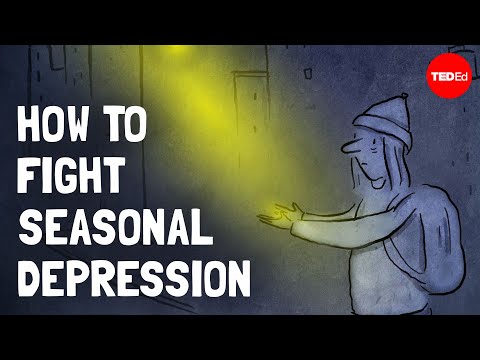
You know that time of year when everything feels, well, a little too gray? The days are shorter, the sun seems to vanish, and suddenly, your mood drops like it’s on a rollercoaster. That’s seasonal affective disorder (SAD) for you.
This blog provides content for informational, educational, and reflective purposes only. The information published here does not constitute medical, psychological, or psychiatric advice, and it does not replace the evaluation, diagnosis, treatment, or individualized guidance of a properly licensed professional. If you believe you may be experiencing a psychological or health-related issue, consult a qualified professional as soon as possible before making important decisions about your well-being. Do not self-medicate or start, stop, or change medications, therapies, or treatments on your own. While we aim to provide useful and accurate information, we do not guarantee that it is complete, current, or suitable for every situation. Your use of this content is at your own risk, and reading it does not create a professional, clinical, or therapeutic relationship with the author or this website.
It’s not just in your head. Seriously, lots of people feel this way. And while it’s totally normal to feel a bit off during those darker months, there are ways to cope with it.
Let’s chat about how you can handle those seasonal blues and brighten up your daily life. A few simple tweaks can make all the difference. Sound good?
Understanding Seasonal Affective Disorder: Symptoms, Causes, and Effective Treatments
Seasonal Affective Disorder, or SAD, hits a lot of us when the days get shorter and the weather turns colder. It’s not just about feeling a little down; it can really mess with your daily life. You know that heavy blanket of gloom? That’s what makes it tough to get out of bed some mornings.
Symptoms can vary but usually include:
- Feeling unusually sad or anxious.
- Losing interest in activities you once enjoyed.
- Changes in sleep patterns, like sleeping too much or too little.
- Feeling tired all the time, even after a full night’s rest.
- Gaining weight due to cravings for carbs. Seriously, who doesn’t want all the cookies when it’s cold?
It’s interesting to note that SAD typically shows up in fall and winter but there are also some who feel its effects during spring and summer months. It can be a real bummer if your mood is brighter during those times.
Now, what causes this funky mood disorder? Well, it seems like a mix of biological and environmental factors plays a role:
- The lack of natural sunlight affects your body’s internal clock or circadian rhythm.
- This light deprivation messes with serotonin levels— that feel-good chemical in your brain.
- Your body also produces more melatonin when it’s dark, leading to increased sleepiness.
So basically, less sunlight equals more darkness inside you.
When it comes to treatment options, there’s quite a variety out there that might work for different individuals:
- Light therapy: This involves sitting in front of a special bright light for about 20-30 minutes a day. It mimics natural sunlight and can seriously boost your mood.
- Cognitive Behavioral Therapy (CBT): This type of therapy helps you change negative thought patterns into something more positive. It’s super effective for many dealing with SAD.
- Medications: Some people find relief via antidepressants. Sometimes these can help balance those neurotransmitters doing their thing in your brain.
You know how when you’re feeling low and someone’s just there for you? That’s what support from friends or family does; it reminds you that you’re not alone in this.
Now here are some would-be helpful tips to cope with seasonal deficit disorder on the daily:
- Create routines: Keeping a consistent sleep schedule helps regulate your body clock.
- Get outside: Even on dreary days, getting some fresh air can help lift your spirits. Just bundle up!
- Pursue hobbies: Engaging in things you love—like painting or cooking—can distract you from those heavy feelings.
Just remember, if you’re feeling overwhelmed by any symptoms, reaching out to a mental health professional is always a good move. Talking things through can offer real clarity and comfort.
SAD is no joke; understanding it is crucial for managing those feelings that creep up around this time of year. You know how life gets full of ups and downs? It’s totally okay to seek help when things start leaning toward the downs more than they should!
Natural Remedies for Seasonal Affective Disorder: 8 Effective Strategies to Boost Your Mood
Seasonal Affective Disorder, or SAD, can really put a damper on your mood when the days get shorter and darker. You might feel more tired, irritable, or just plain blah. But don’t worry; there are some natural remedies that can help lift your spirits. Let’s take a look at a few strategies that could seriously boost your mood.
1. Light Therapy: Using a light therapy box can be super effective. They mimic natural sunlight and help regulate your body’s sleep-wake cycles. Just 20 to 30 minutes each morning in front of one of these lights may help improve your mood. Seriously, it’s like getting a mini-vacation in your living room.
2. Get Outside: Even when it’s chilly, getting outside is great for SAD. Natural light helps your body produce vitamin D, which plays a role in mood regulation. You could go for walks or even just sit on a sunny porch with a hot drink.
3. Exercise: Regular physical activity can work wonders for your mental health. It releases endorphins, the body’s natural mood lifters! Whether it’s yoga, running, or dancing around your living room to music you love—any movement counts!
4. Mindfulness and Meditation: Practicing mindfulness helps you stay present and reduces anxiety about the future or dwelling on the past—both common with SAD. Even five minutes of deep breathing or using guided meditation apps can make you feel more relaxed and centered.
5. Healthy Eating: Your diet might play a bigger role than you think! Eating balanced meals rich in omega-3 fatty acids (like fish) and whole grains can improve brain function and mood stability. Plus, snacks like nuts and seeds provide healthy fats that fuel both body and mind.
6. Stay Connected: Maintaining social connections is key—don’t isolate yourself! Call up friends or family for chats, plan game nights or cozy movie marathons together by video call if you can’t meet up in person.
7. Aromatherapy: Scents like lavender and citrus have been known to elevate moods—and they smell amazing too! Use essential oils in diffusers or even candles around your home to create an uplifting atmosphere.
8. Develop New Hobbies: Pick up something new that excites you! This could be painting, knitting, baking—you name it! Keeping your mind occupied with creative projects helps distract from the seasonal gloom.
These are just some strategies that may help mitigate the impact of SAD in daily life—little things that add up over time can really make a difference! So next time you’re feeling down during those gray days, give one (or several) of these remedies a shot; who knows what might spark some joy?
Effective Treatments for Seasonal Affective Disorder: Brighten Your Mood This Winter
Seasonal Affective Disorder, or SAD, hits some folks hard when the days get shorter and chillier. You know that feeling of wanting to hibernate all winter? Yeah, it’s a real thing. It can make you feel sluggish, down, and less motivated. But don’t worry; there are ways to brighten your mood and cope with it.
One classic go-to is **light therapy**. Basically, this involves sitting near a special light box that mimics natural sunlight. Just 20-30 minutes a day can work wonders for your mood! It’s like giving your brain a little kickstart when sunlight isn’t playing nice outside.
Another option is **talk therapy**, particularly cognitive-behavioral therapy (CBT). This kind of therapy helps you deal with negative thoughts and reshapes how you respond to the winter blues. A therapist can guide you through practical strategies to handle those feelings before they pull you down too far.
You might also want to explore **exercise**. Seriously! Getting up and moving releases those endorphins—the happy chemicals in your brain. Even just a brisk walk or some yoga at home could help lift your spirits.
Don’t forget about **vitamin D**. When sunlight is scarce, many people find that supplementing with vitamin D can be beneficial. It’s worth having a chat with your doctor about whether that’s right for you.
Also, keeping in touch with others is super important during those gray months. Call up a friend or plan some fun activities—like game nights or movie marathons—to keep the social vibes strong.
Here are some key points to remember:
- Light Therapy: Mimics sunlight, helps regulate mood.
- Cognitive-Behavioral Therapy: Restructures negative thoughts.
- Regular Exercise: Boosts endorphins and mood.
- Vitamin D Supplements: Can help if you’re lacking sunlight.
- Stay Socially Connected: Helps reduce feelings of isolation.
And let’s not forget—you’re not alone in this! People are going through similar ups and downs during wintertime blues. Sharing experiences can lighten the load and make it feel more manageable.
So whether it’s basking in the glow of a light box or lacing up your sneakers for a run outside (even if it’s cold!), there are ways to chase away those heavy clouds hanging over your head during the winter months. Just take it one step at a time!
So, let’s chat about Seasonal Affective Disorder, or SAD, as it’s often called. You know, that feeling when winter rolls around and suddenly your energy just takes a nosedive? I mean, most of us love snuggling up with a blanket and a cup of hot cocoa, but for some people, the darker months can feel heavy.
Imagine it’s January. It’s gray outside. You wake up to a dark house and then head out into the cold where the sun seems to have taken a vacation. I remember feeling like this after the holidays when everything just felt… dull? The excitement of the new year wore off quickly; I felt listless, like I couldn’t shake off this fog. You ever experienced that?
The thing with SAD is that it can creep up on you without much warning. It might start with just feeling a little more tired than usual or having trouble dragging yourself out of bed. But slowly those feelings can grow into something more—like sadness or hopelessness—especially if you feel isolated from others during those chilly months.
So what do you do about it? For many folks dealing with SAD, light therapy can be a game changer. Those bright light boxes mimic natural sunlight and can really help lift your mood—kind of like getting a little burst of sunshine in your living room! Plus, there are things like regular exercise and maintaining social connections that can seriously help too.
Also important? Finding time for self-care activities that bring you joy—whether it’s painting, cooking up your favorite meals, or even binge-watching some feel-good shows. It might seem small but these little things can add light to those gloomy days.
And hey, if you’re finding all this too heavy to handle alone, reaching out for professional help is totally okay! Therapists can offer great tools to help navigate through this kind of thing; talking it out makes such a difference sometimes.
Remember that you’re not alone in this struggle; many people go through similar experiences as the seasons change. So keep shining bright and take care of yourself during those darker days!