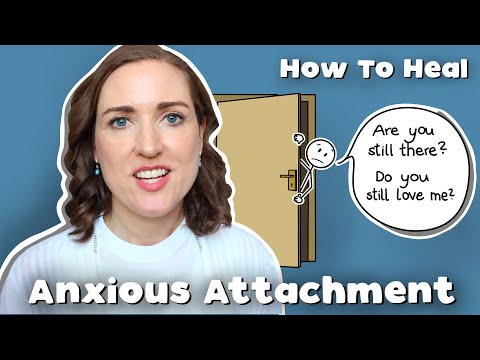
You know, attachment issues are a big deal in mental health. They can influence everything from your relationships to how you see yourself.
This blog provides content for informational, educational, and reflective purposes only. The information published here does not constitute medical, psychological, or psychiatric advice, and it does not replace the evaluation, diagnosis, treatment, or individualized guidance of a properly licensed professional. If you believe you may be experiencing a psychological or health-related issue, consult a qualified professional as soon as possible before making important decisions about your well-being. Do not self-medicate or start, stop, or change medications, therapies, or treatments on your own. While we aim to provide useful and accurate information, we do not guarantee that it is complete, current, or suitable for every situation. Your use of this content is at your own risk, and reading it does not create a professional, clinical, or therapeutic relationship with the author or this website.
It’s wild to think about, right? You might not even realize how much this stuff plays into your everyday life.
So, picture this: two kids grow up together. One feels safe and loved—like a warm hug. The other? Not so much, always feeling on edge or unsure if they’re enough.
That’s where secure attachment comes in. It’s like having a solid anchor in the stormy seas of life. But what if you missed that boat?
Let’s talk about navigating attachment issues—it’s like figuring out the map for a journey that can feel pretty overwhelming sometimes. Seriously, it’s okay to ask for help along the way!
Understanding Secure Attachment Issues: A Guide for Mental Health in Adults
Secure attachment issues can really mess with your relationships and how you see yourself. They often stem from early childhood experiences. You know, the way our caregivers responded to our needs shapes how we connect with others as adults. If those needs were met consistently, we tend to develop a secure attachment style. But what if they weren’t? That’s where things get tricky.
People with secure attachment issues might not feel comfortable relying on others or opening up emotionally. It’s kind of like wanting to be close to someone but feeling scared at the same time. This push-and-pull can lead to misunderstandings and hurt feelings. And seriously, it’s exhausting!
Signs of Secure Attachment Issues:
- You struggle with trusting others, even those who care about you.
- Getting close feels scary or overwhelming.
- You might find it hard to express your needs or emotions.
- You often worry about being let down or abandoned.
It reminds me of my friend Amy. She always put up walls in relationships. Whenever someone got too close, she’d freak out and pull away. It wasn’t that she didn’t want connection; she just didn’t know how to handle it without feeling vulnerable.
Understanding these issues is crucial for mental health because they affect your sense of self-worth and happiness in relationships. But it’s not all doom and gloom! You can work through this stuff.
Therapy can be super helpful. A therapist can guide you through recognizing patterns in your thoughts and feelings that stand in the way of healthy connections. Things like Cognitive Behavioral Therapy (CBT) can help shift those negative thoughts into more positive ones.
Also, practicing self-compassion is key here. It’s easy to beat yourself up over feelings of insecurity or anxiety in relationships, but remember: it’s okay to feel this way. Acknowledging your emotions without judgment opens the door for growth.
In time, with the right tools and support, you can learn how to create healthier connections with others. The thing is—you’re not alone in this journey! Many people experience similar issues, so don’t hesitate to reach out for help when you need it.
Lastly, take small steps towards vulnerability—you don’t have to dive into deep waters right away! Start by sharing little things about yourself with trusted friends or family members and see how that feels. That way, you’ll start building a more secure foundation for future connections without feeling overwhelmed.
So yeah, diving into understanding these attachment styles is a big deal! Just know that healing is possible—one step at a time!
Overcoming Attachment Issues in Relationships: Effective Strategies for Healthier Connections
It’s pretty common to have some attachment issues in relationships. A lot of people struggle with feeling secure and connected, and it can really mess with how we relate to others. So let’s dig into how you can overcome these issues and create healthier connections.
First off, **what are attachment issues?** They usually stem from our experiences in early relationships, especially with caregivers. If those bonds were shaky or inconsistent, you might find yourself wrestling with anxiety or avoidance in your adult relationships. You might cling to partners for reassurance or, on the flip side, keep them at arm’s length.
To tackle this, one effective strategy is **self-awareness**. Recognize your own attachment style—are you anxious, avoidant, or perhaps a mix of both? Just knowing where you stand can help you understand why you react the way you do in certain situations. For example, if you often feel abandoned when your partner is busy, that could point to an anxious attachment style.
Next up is **communication**. It sounds simple, but being open about your feelings can be a game changer. When you’re feeling off or insecure, try talking it out instead of bottling it up. Share what you need from your partner and don’t expect them to read your mind! This openness can also build trust over time.
Another useful strategy is **setting boundaries**. This doesn’t mean pushing people away; rather, it means knowing what makes you comfortable and sticking to it. If texting constantly stresses you out because it feels overwhelming—let them know! Boundaries give both partners clarity and contribute to healthier interactions.
And let’s not forget about **emotion regulation**—super key here! Practicing ways to manage stress and anxiety can change how you react in tough situations. Deep breathing or even mindfulness exercises are great tools for keeping calm when emotions run high.
You could also benefit from **therapy**, especially cognitive-behavioral therapy (CBT). A therapist can help identify patterns and teach practical strategies for changing negative thoughts and behaviors that arise from insecure attachments.
Finally, remember that building secure attachments takes time and patience. It’s like training a muscle; the more effort you put into understanding yourself and practicing these strategies, the stronger those healthy connections will become.
So basically, overcoming attachment issues is all about awareness, communication, setting boundaries, regulating emotions, and sometimes seeking professional help. Each step might feel small but they add up! And hey—it’s totally normal to struggle with this stuff; everyone has their baggage!
Understanding Insecure Attachment in Children: Signs, Effects, and Strategies for Support
Understanding insecure attachment in children is super important, especially when we think about how these patterns can stick around into adulthood. So, let’s break it down a bit!
What is Insecure Attachment?
Insecure attachment happens when a child doesn’t feel safe or secure in their relationship with caregivers. It can show up in different ways. Think of it like this: if you’re not sure your parent will be there for you when you’re upset, you might feel anxious or distant.
Signs of Insecure Attachment:
You might notice some signs that point to insecure attachment, like:
- Anxiety and Clinginess: Kids may constantly seek reassurance or stay close to their caregiver.
- Avoidance: They might keep distance from adults, acting like they don’t care.
- Difficulties with Emotions: Kids could struggle to show feelings or have meltdowns over little things.
- Difficulty with Relationships: As they grow, making friends or trusting others can be a challenge.
Think of a kid named Jamie. Jamie always felt nervous at school and would cling to his mom every morning. He didn’t know how to approach other kids during recess because he was so worried about being rejected.
Effects on Development:
Insecure attachment can lead to various challenges as the child grows up. These include:
- Low Self-Esteem: Children may develop negative views about themselves.
- Poor Coping Skills: They might not know how to handle stress effectively.
- Struggles with Relationships: Patterns of insecurity often follow them into adult relationships
You see, if Jamie doesn’t learn how to form healthy connections now, he could face serious issues later on—like trouble trusting partners or feeling unworthy of love.
Strategies for Support:
Supporting children with insecure attachments requires patience and understanding. Here are some strategies:
- Create a Safe Environment: Make sure the child knows they are loved and safe. This could mean consistent routines and lots of warm interactions.
- Encourage Expression: Teach them that it’s okay to share feelings—good and bad! Simple prompts can help them open up.
- Model Healthy Relationships: Show what healthy connections look like; this might mean demonstrating trust and communication in your own relationships.
If Jamie’s teacher notices he struggles with emotions, they could set up regular «feelings check-ins» during class. This helps him feel more secure expressing himself.
In short, insecure attachment is something that needs attention early on. With the right support, kids can learn the skills needed for healthier relationships down the road. Just remember that each child is unique—you gotta figure out what works best for them!
So, let’s talk about attachment issues, specifically secure attachment. You know, it’s one of those things that can really shape how you relate to others and how you feel about yourself.
Imagine this: a friend of yours—a really close one—confides in you about their struggles with feeling unloved or misunderstood. It hits home because you can see that they have a hard time trusting people. You realize it might stem from their childhood relationships, like with parents who were sometimes there but often distracted or inconsistent. It’s kind of heartbreaking, right? They want to connect deeply but end up feeling anxious or even push people away.
Now, secure attachment is the gold standard. It’s what we aim for when we form relationships. When someone has a secure bond with caregivers growing up, they usually feel more at ease in relationships later on—like they trust that when they reach out for support, someone will be there. But not everyone gets that. If you’ve had rocky attachments in your life, it can make relationships feel like navigating a minefield.
That’s where mental health comes into play. When you’re working on attachment issues—like recognizing fears of abandonment or learning to open up—it’s tough! Therapy can really help here; it provides a safe space to explore these feelings without judgment. You start by understanding where those feelings come from and why they’ve been so strong.
But yeah, here’s the thing: healing takes time and patience. There might be days when you feel super empowered and then others where it feels like all the progress disappears. Emotions can be tricky like that! It helps to remind yourself that it’s all part of the process—you’re not failing; you’re just walking your own path.
And if there are moments when you find yourself spiraling back into those old patterns? That’s okay too! Just take a deep breath and remember that recognizing those patterns is actually part of growth. You’re getting to know yourself better every step along the way.
It’s all about building healthier connections over time—both with others and with yourself. And if you’ve made moves toward forming secure attachments? Seriously celebrate those moments! They’re huge victories in this journey called life.