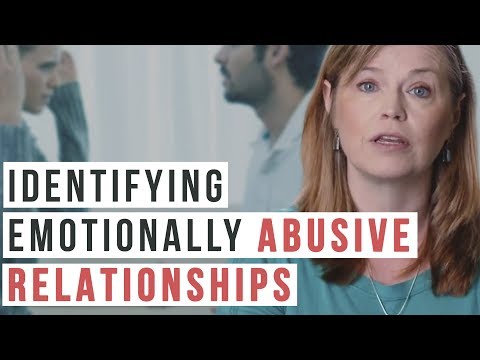
So, let’s be real for a sec. Relationships can be tricky, right? I mean, one minute everything feels peachy, and the next—boom! You’re questioning everything.
This blog provides content for informational, educational, and reflective purposes only. The information published here does not constitute medical, psychological, or psychiatric advice, and it does not replace the evaluation, diagnosis, treatment, or individualized guidance of a properly licensed professional. If you believe you may be experiencing a psychological or health-related issue, consult a qualified professional as soon as possible before making important decisions about your well-being. Do not self-medicate or start, stop, or change medications, therapies, or treatments on your own. While we aim to provide useful and accurate information, we do not guarantee that it is complete, current, or suitable for every situation. Your use of this content is at your own risk, and reading it does not create a professional, clinical, or therapeutic relationship with the author or this website.
Have you ever felt like you’re walking on eggshells around your partner? Or maybe they just seem to suck the joy right out of your day? Yeah, that’s not cool.
Toxicity isn’t exactly a word we love to throw around, but it can sneak into your life before you even notice. It’s like that annoying weed in your garden; if you don’t pull it out early, it’ll take over.
In this chat, we’re gonna dive into some signs that could mean you’re in a not-so-great situation with your spouse. You know? Just to help keep your mental wellbeing intact. So let’s get into it!
Understanding the Impact of Toxic Relationships on Your Mental Health
When it comes to mental health, our relationships can really make or break us. You might not even realize it, but being in a toxic relationship can mess with your head big time. Toxic relationships are all about that negative energy that leaves you feeling drained and worthless. So, let’s chat about how these situations impact your mental health and how to spot the signs, especially if it’s a spouse or partner.
First off, what does a toxic relationship look like? Imagine waking up every day feeling anxious or on edge because you’re scared of how your partner will react to you. That’s not cool! Signs of a toxic spouse might include:
- Constant Criticism: If they always put you down or belittle your achievements, that’s a red flag. It chips away at your self-esteem.
- Lack of Support: Instead of cheering for you during tough times, they’re dismissive or uninterested. You should feel like you have someone in your corner.
- Manipulation: If they twist things around to make you feel guilty for wanting something healthy—like time for yourself—watch out.
- Jealousy and Control: Feeling like you need to check in constantly or can’t hang out with friends? That’s more about controlling you than caring.
- Dramatic Mood Swings: When their moods change like the weather, it keeps you walking on eggshells. This uncertainty is super stressful!
You know those days when everything feels heavy? Like dragging yourself outta bed seems impossible? Yeah, that often happens when you’re stuck in toxic vibes. Over time, anxiety, depression, and feelings of isolation can creep in without you even realizing it. Your mental energy starts to plummet as negativity fills the space where love and support should be.
I remember this friend who was in what seemed like an average relationship at first glance. But behind closed doors? It was another story. Her partner would constantly question her choices—what she wore, who she hung out with—and slowly she felt smaller and smaller until she barely recognized herself anymore. She didn’t just lose her sense of self; her happiness faded too.
If you’re experiencing any signs from above—or just feel bad more often than not—it’s crucial to pause and reflect on what’s happening around you. A toxic relationship doesn’t just hurt; it can lead to long-term emotional scars that take serious work to heal from.
Now here’s the golden nugget: recognizing these patterns is the first step toward reclaiming your mental health! Once you’ve spotted the toxicity, it’s so important to reach out for help—a therapist or support group can provide clarity and tools to navigate these tough waters.
Your well-being matters deeply! Stepping away from toxicity might feel scary but trust me; taking care of yourself will only lead to better days ahead.
Effective Strategies to Manage and Dismiss a Toxic Husband: A Psychological Perspective
It’s tough when you’re dealing with a toxic spouse, especially if it’s a husband. You may feel stuck and unsure of how to handle things. Well, let’s look into some effective strategies that can help you manage and even dismiss that toxicity over time.
Recognizing the Signs is crucial. Toxic behavior can sneak up on you. It often looks like constant criticism, manipulation, or even emotional abuse. Think of it this way: if every conversation leaves you feeling drained or doubting yourself, that’s a red flag! The thing is, acknowledging these patterns can be liberating.
Setting Boundaries is absolutely essential. You can’t just let someone walk all over you, you know? Clear boundaries help protect your emotional space. Start small—if he tends to belittle your ideas during discussions, make it clear that you won’t tolerate it anymore. You deserve respect in all conversations.
Self-Care is not selfish; it’s necessary! Make sure you’re taking time for yourself away from the toxicity. Engage in activities that lift your spirits. Go for walks, hang out with friends who make you laugh, or lose yourself in a good book! This helps to recharge your emotional batteries.
Open Communication, when done right, might ease tension too—but only if it feels safe for you to try. Sometimes people don’t realize how their actions affect others until someone points it out gently (but firmly!). Just remember: if he reacts defensively or dismisses your feelings again and again, that’s another sign of toxicity.
Seek Professional Help; this could be game-changing! A therapist can provide insights that friends sometimes can’t offer. Plus they can give coping strategies specific to your situation—like recognizing manipulation tactics or dealing with gaslighting.
And sometimes, dismissing the toxic relationship entirely may be what’s best for your mental wellbeing. This doesn’t mean making rash decisions; it’s about identifying when the costs outweigh the benefits of staying together. In some cases, a physical separation becomes necessary for your health—emotionally and psychologically.
Remember the story of Sarah? She was married to someone who constantly criticized her choices and neglected her feelings. After recognizing the signs of his toxic behavior and setting strict boundaries about what she would allow in her life, she found strength in herself like never before! Eventually, she sought therapy and learned how freeing it could be to have her own voice back again.
So yeah—the journey might not be easy but recognizing toxic patterns and taking proactive steps are powerful moves toward reclaiming control over your life again.
10 Warning Signs You Might Be in a Toxic Marriage: Recognizing Toxic Husband Behaviors
It can be really tough to figure out if you’re in a toxic marriage. Like, when you’re in it, things can feel a bit cloudy. But recognizing some clear signs can help you make sense of what’s going on. Here are some warning signs that your husband might be displaying toxic behaviors.
- Constant Criticism: If your spouse regularly points out your flaws or belittles your accomplishments, that’s a red flag. It’s one thing to discuss concerns; it’s another to make you feel small.
- Lack of Support: You should feel uplifted by your partner, not weighed down. If he dismisses your dreams or doesn’t cheer for you during important moments, something’s off.
- Manipulative Behavior: Manipulation can take many forms. Maybe he twists your words or makes you feel guilty for wanting time alone. This kind of behavior is like emotional chess—super unhealthy.
- Controlling Tendencies: Does he want to control how you spend your time or with whom? If he tries to limit your social life or checks your phone too often, this could signal bigger issues.
- Disrespectful Communication: Healthy discussions should never involve name-calling or yelling. If heated discussions turn into personal attacks, that’s not okay at all.
- Lack of Accountability: When things go wrong, is he quick to blame you? A good partner takes responsibility for his actions instead of shifting the blame onto you.
- Irrational Jealousy: Sure, a little jealousy can be normal in relationships, but if he’s constantly suspicious without cause, that can create an unhealthy atmosphere.
- Mood Swings: Do his moods affect the household significantly? If one minute he’s fine and the next he’s upset over something trivial, it might feel like walking on eggshells around him.
- Dismissing Your Feelings: When you express what you’re feeling and he brushes it off as “overreacting,” it can create emotional distance between you two.
- Lack of Affection: A loving relationship should have warmth and care. If physical affection is dwindling and emotional connection feels absent, pay attention to that feeling in the pit of your stomach.
Just take a moment and think back—have any of these behaviors resonated with you? It might be hard to admit if you’re dealing with this kind of stuff; sometimes we let love blind us to certain realities. I remember talking with a friend who realized her husband would always make snarky comments about her career aspirations but insisted he was just being “realistic.” It took her ages to see that wasn’t love—it was control.
If any of this sounds familiar, don’t hesitate to reach out for support from friends or even professionals who understand relationships well. You deserve a partnership where both people support each other and lift each other up!
You know, recognizing the signs of a toxic spouse can feel like trying to spot a hidden monster under your bed. It’s easy to overlook things when you’re wrapped up in love or the day-to-day grind. Sometimes, it’s like having blinders on, and what you thought was just normal couple stuff might actually be, well, not so great for your mental wellbeing.
I remember a friend of mine named Sarah. She used to light up every room she walked into. But over time, she started changing—quiet and anxious—always second-guessing herself. It was subtle at first. Little comments from her spouse like, «You really shouldn’t wear that,» or “Are you sure you want to hang out with them?” At first glance, it felt like he was just looking out for her. But eventually, it chipped away at her confidence.
So what does this toxic behavior look like? Well, if you find yourself feeling completely drained after spending time with your partner or always walking on eggshells around them—that’s a huge red flag. Healthy relationships should uplift and inspire you, not leave you feeling small or anxious.
Narcissism is another big player in these toxic dynamics. If your partner constantly seeks attention or validation but hardly shows interest in your feelings or achievements? You might want to take a step back and really think about that.
And let’s talk about communication for a second; if every conversation feels like a battle and you’re often left feeling criticized or unheard—that’s not okay. A relationship should feel safe to express your thoughts without fear of judgment.
Plus, don’t ignore that gut feeling—you know the one that tells you something isn’t right? If you’ve got that little voice whispering doubts in the back of your mind, trust it!
Sometimes it can get tricky because people often start blaming themselves for issues within the relationship. That cycle of self-doubt is what makes identifying toxicity so tough! But here’s the thing: everyone deserves respect and support from their partner.
If any of this resonates with you—or if you’ve noticed signs in someone close—you might want to have some heart-to-heart conversations or even seek help from a therapist. Reclaiming your self-worth can be tough but super rewarding too! After all, mental wellbeing isn’t just important; it’s essential for living life fully and joyfully!