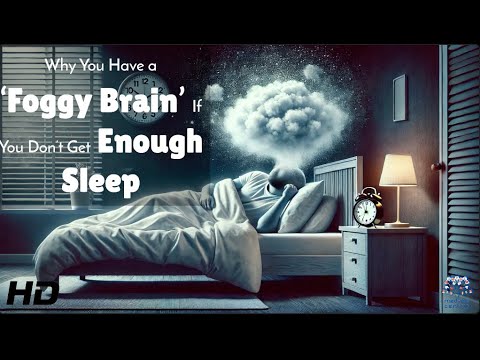
You know that feeling when you wake up and it’s like you’re in a thick cloud? Yeah, that’s sleep fog. It’s not just annoying; it can really mess with your head.
This blog provides content for informational, educational, and reflective purposes only. The information published here does not constitute medical, psychological, or psychiatric advice, and it does not replace the evaluation, diagnosis, treatment, or individualized guidance of a properly licensed professional. If you believe you may be experiencing a psychological or health-related issue, consult a qualified professional as soon as possible before making important decisions about your well-being. Do not self-medicate or start, stop, or change medications, therapies, or treatments on your own. While we aim to provide useful and accurate information, we do not guarantee that it is complete, current, or suitable for every situation. Your use of this content is at your own risk, and reading it does not create a professional, clinical, or therapeutic relationship with the author or this website.
I mean, we’ve all had those days where you forget why you walked into a room or mix up words. It’s frustrating! But it goes deeper than that. Sleep fog can actually creep into your mental health too.
Ever wonder how lack of sleep affects your mood? Well, let me tell you, it’s wild how being groggy can turn stress into chaos. You might feel extra irritable or anxious, like every little thing is just too much.
Seriously, navigating through life with brain fog is like trying to run in quicksand. So let’s chat about what this all means for your mental well-being and how to clear the haze…
The Impact of Sleep Deprivation on Mental Health: Understanding the Connection
Sleep is one of those things we often take for granted, right? You probably know that a good night’s sleep can make all the difference in how you feel and think. But have you ever considered what lack of sleep can really do to your mental health? It’s more than just feeling sleepy during the day. Seriously, sleep deprivation can mess with your head in ways you might not immediately notice.
First off, when you’re running on empty, it’s like your brain is stuck in low gear. You may find it hard to concentrate or remember things. It’s like trying to run a marathon when you’ve only had a few hours of sleep the night before—your brain feels foggy and sluggish. This “sleep fog” makes day-to-day tasks feel ten times harder.
One major way that missing out on shut-eye affects your mental health is by increasing feelings of anxiety and depression. Research shows that people who don’t get enough sleep are more likely to experience heightened anxiety levels. It’s as if your emotional baseline gets shifted; even small stressors can feel overwhelming. Think about a time when you were tired and maybe snapped at a friend over something trivial—it’s easier to lose patience when you’re drained.
Then there’s the link between sleep and mood swings. Have you noticed that after a night of tossing and turning, everything seems more irritating? Sleep deprivation can lead to irritability and mood instability. You might find yourself feeling okay one moment and then suddenly upset or angry the next, all because your body didn’t get the rest it needed.
Another critical aspect is the connection between sleep deprivation and cognitive function. When you’re operating with less sleep, it’s not just about feeling tired; you’re actually impairing your ability to think clearly. Decisions become tougher, creativity dips, and problem-solving skills fade away like ghosts in the night—poof! This makes it harder not only for you but also for those around you who might rely on your input or guidance.
Now let’s talk about some physical consequences too. Chronic lack of sleep isn’t just a mental issue; it can lead to physical health problems like obesity or heart disease over time. All these factors create an ongoing cycle where mental health issues can be exacerbated by physical ailments, which creates even less motivation to maintain healthy habits.
If we zoom out for a second, we start seeing why addressing sleep issues becomes crucial for overall wellness—in both mind and body! Finding ways to improve your sleeping habits could do wonders for how you feel day after day.
Some suggestions for better sleep include creating a relaxing bedtime routine or limiting screen time before bed. Even simple meditation practices or deep breathing exercises might help calm racing thoughts so you can drift off easier.
In closing, while every now and again we might pull an all-nighter or get wrapped up in busy schedules (it happens!), making consistent efforts toward better sleep hygiene is vital for keeping our minds fit and functioning well. Just remember: more zzz’s mean fewer worries!
Understanding the Connection Between Sleep and Mental Health: Download Our Comprehensive PDF Guide
Sleep and mental health are like two best buddies that always hang out together. When one’s going well, the other tends to follow suit. But when you’re stuck in a cycle of sleepless nights, your mental health can take a real hit.
So, what’s the deal with sleep fog? Well, it’s that hazy feeling you get during the day when you haven’t gotten enough shut-eye. You know, when your brain feels like it’s swimming through molasses? This fog can lead to poor concentration, an off-kilter mood, and even anxiety. We’ve all had those days when we feel cranky or just not quite right because we didn’t sleep well the night before.
Here are some key points about how sleep and mental health are connected:
- Sleep Deficiency and Mood Swings: Research shows that when you’re short on sleep, it can really mess with your emotions. Think irritability or stress levels shooting up.
- Anxiety and Insomnia: There’s a two-way street here; anxiety can lead to sleepless nights, while lack of sleep can ramp up feelings of anxiety.
- Depression Rates: Studies indicate that people dealing with depression often struggle with sleep problems. This creates a vicious cycle that’s tough to escape.
- Cognitive Function: Sleep is crucial for memory consolidation and overall brain function. Skimping on rest makes it harder to think clearly or remember things.
Picture this: You wake up after tossing and turning all night. You feel groggy and irritable before you even get out of bed. At work or school, you struggle to focus on tasks; everything feels overwhelming. That’s where the sleeplessness really starts messing with your head.
Sometimes it helps to think about what might be keeping you up at night. Is it stress from work? Or maybe too much screen time before bed? These habits aren’t just annoying; they’re seriously impacting your mental well-being.
But here’s the good news: addressing these issues can dramatically improve both your sleep and your mental health! Just making small changes like establishing a nighttime routine could help ease your mind before bed.
Look into strategies for better sleep hygiene, such as:
- Create a Sleep Schedule: Go to bed at the same time every night; make waking up early a habit.
- Limit Screen Time: Try powering down devices an hour before bedtime; give yourself some tech-free wind-down time.
- Create a Relaxing Environment: Your bedroom should be cool, dark, and quiet—your personal sleepy oasis!
Basically, by being mindful of how interconnected sleep and mental health are, you can start making changes that benefit both areas of your life.
In summary: Prioritizing good sleep isn’t just nice; it’s essential for staying mentally sharp and emotionally balanced. So next time you’re feeling out of sorts during daylight hours after another restless night, consider hitting reset on those bedtime habits!
The Impact of Sleep Deprivation on Mental Health: Insights from Current Research
Sleep deprivation can seriously mess with our minds. When you’re running on empty, your mood can tank, and your thoughts might start to feel all jumbled up. It’s like trying to drive a car with no gas—things just don’t run smoothly.
The science behind sleep and mental health is pretty compelling. Studies have shown that not getting enough sleep is linked to conditions like anxiety and depression. It’s not just about feeling cranky the next day; chronic sleep loss can actually change the way your brain works. So, yeah, being short on zzz’s isn’t just an inconvenience; it’s a real concern.
One key issue with sleep deprivation is its role in emotional regulation. When you’re sleep-deprived, your brain struggles to process emotions effectively. You might find yourself feeling way more irritable or anxious than usual over little things—like when someone cuts you off in traffic or a friend forgets to text back. It’s no fun.
Also, the cognitive impact can be huge. Memory suffers when you’re not well-rested, making it hard for you to focus or remember important details from earlier in the day. That’s why you might have those “brain fog” moments where everything feels hazy and confusing.
Let’s not forget how sleeplessness affects decision-making. If you’re running low on sleep, you might make choices that aren’t the best for you—like skipping meals or turning down social invites because you’re too tired to engage. This cycle of poor choices can lead straight back into deeper mental health issues.
Then there’s a research angle that highlights how sleep deprivation can actually exacerbate existing mental health conditions too. If someone already has anxiety or depression, losing sleep can kick those feelings into overdrive. It becomes this annoying loop where poor sleep leads to worsened mental health, which then leads to even worse sleep.
In the bigger picture, addressing sleep issues shouldn’t be an afterthought when tackling mental health concerns. Therapists often emphasize good sleeps hygiene as part of treatment plans for their clients dealing with anxiety or depression.
So what happens if you’re caught in this «sleep fog»? Well, recognizing it is the first step! Prioritizing good sleeping habits could be life-changing—or at least sanity-saving. Simple changes like sticking to a regular bedtime routine or limiting screen time before bed could help break that cycle of exhaustion and help clear away some of that foggy thinking.
In summary, sleep isn’t just about rest; it’s essential for keeping our mental gears going smoothly. Getting enough shut-eye isn’t just self-care; it’s crucial for your emotional wellbeing and overall clarity of thought—something we all need!
You know that feeling when you wake up and it’s like you’ve been thrown into an alternate universe? Everything feels foggy, like you’re moving through a cloud. That’s sleep fog for you. It’s like your brain hits the snooze button on not just the alarm but on clarity and focus too.
I had a friend who used to joke about living in “Sleepy Town” every morning. No kidding, he’d sit with his coffee, staring blankly at the wall, trying to remember if he even had breakfast. He was smart and funny but honestly, some days, you could see the struggle in his eyes. Those mornings weren’t just annoying; they were kind of scary too. Sleep fog can sneak up on you and steal your mental sharpness right when you need it most.
What’s wild is how much sleep affects our mood and overall mental health. When you’re walking around in a haze, everything feels harder—like climbing uphill through molasses. Sometimes anxiety can rear its ugly head because our brains aren’t firing on all cylinders. Imagine having to make decisions when your brain feels like it’s still rebooting!
And there’s more! Lack of good sleep can lead to irritability and sadness too. Ever notice how people argue over small things or feel blue for no reason? Often it’s tied back to those restless nights or inconsistent sleep schedules. It’s one of those cycles that can feel impossible to break: bad sleep leads to bad moods which lead to more sleepless nights.
So yeah, if you’re stuck in this loop of sleep fog and mental health ups and downs, you’re not alone. Just remember that taking steps toward better sleep—like setting a regular bedtime or creating a calming nighttime routine—can make a big difference in how we feel during the day.
Life throws enough curveballs without adding brain fog into the mix, right? A little effort towards getting quality rest goes a long way toward sharpening that mental edge—and hey, maybe even banishing Sleepy Town for good!