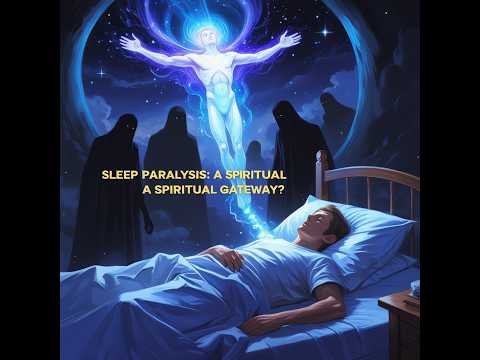
Alright, so picture this: you wake up, but you can’t move. Your eyes dart around the room, and there’s this weird weight on your chest. Yeah, that’s sleep paralysis. It sounds pretty creepy, right?
This blog provides content for informational, educational, and reflective purposes only. The information published here does not constitute medical, psychological, or psychiatric advice, and it does not replace the evaluation, diagnosis, treatment, or individualized guidance of a properly licensed professional. If you believe you may be experiencing a psychological or health-related issue, consult a qualified professional as soon as possible before making important decisions about your well-being. Do not self-medicate or start, stop, or change medications, therapies, or treatments on your own. While we aim to provide useful and accurate information, we do not guarantee that it is complete, current, or suitable for every situation. Your use of this content is at your own risk, and reading it does not create a professional, clinical, or therapeutic relationship with the author or this website.
A lot of people have gone through this wild experience. Some swear they’ve seen shadowy figures lurking around. Others are just frozen in fear. So, what’s going on here?
Well, it’s not just about the freaky feeling; there’s a whole mix of psychology and maybe even a bit of spirituality involved. The thing is, understanding all of this can help make sense of those terrifying moments when you’re stuck between sleeping and waking up.
So let’s break it down together!
Exploring the Connection Between Sleep Paralysis and Spirituality: Insights into the Mind-Body Relationship
Sleep paralysis is one of those things that can totally freak you out. You’re lying in bed, wide awake in your mind, but your body feels like it’s made of lead. You can’t move or speak for a few seconds, sometimes even longer. It might sound like something out of a horror movie, but it happens to a lot of people. Some think it’s linked to the spiritual realm, and others see it as a purely psychological phenomenon. Let’s break down this connection and maybe shed some light on what’s going on here.
So what exactly is sleep paralysis? Basically, it’s when you wake up from sleep but can’t move or talk. This usually lasts for a few seconds to a couple of minutes, and it often happens when you’re drifting in or out of REM sleep. You know that phase where you dream? During this time, your brain is active but your body is still basically «sleeping» to prevent you from acting out those dreams. When you wake up before your muscles are fully responsive, well…welcome to sleep paralysis.
But hang on! The spooky part is how people often describe intense feelings during these episodes—like having someone sitting on their chest or feeling an overwhelming sense of dread. It’s like you’re trapped between two worlds: awake and dreaming. Some folks have even reported seeing figures or shadows while experiencing this.
Now let’s talk spirituality. For many cultures throughout history, this phenomenon has been interpreted as something supernatural or spiritual in nature. People might think they’re being visited by spirits or even having an out-of-body experience. There are stories where individuals interpret these experiences as signs from the universe—or messages from beyond.
The thing is—while some might lean towards a spiritual interpretation, science provides us with another layer of understanding. Sleep deprivation, stress, anxiety, and irregular sleeping patterns have all been linked with increased occurrences of sleep paralysis episodes. If you’re stressed about work or life stuff? Yeah, that could make the episodes more likely.
There’s fascinating research suggesting that our mental state can impact our perception during something like sleep paralysis too. How we interpret these intense experiences depends heavily on our beliefs and mental health status at the time.
And let me tell ya—these experiences can stir up quite the emotional response! A friend once told me about their first encounter with sleep paralysis; they felt so helpless and terrified that they avoided sleeping for days! It took them time to process it—not just psychologically but spiritually too—trying to figure out if there was something more going on.
The connection between our mind and body during sleep paralysis goes both ways. On one hand, it’s shaped by physiological factors like stress and fatigue; on the other hand, it dives deep into how our spirits perceive those moments when we’re caught off guard.
So while some see sleep paralysis as purely psychological—and there’s definitely science backing that up—there’s also significant weight given to how personal beliefs shape these spooky experiences too. Whether it’s viewed through a scientific lens or more mystical approach really comes down to individual perspective.
Ultimately? Understanding both sides gives us richer insights into not just sleep paralysis itself but also highlights the complexities of our human experience. It’s about recognizing how interconnected our minds really are with both our bodies—and maybe even something beyond ourselves!
Unraveling Sleep Paralysis: Understanding the Psychological Triggers Behind This Mysterious Phenomenon
Sleep paralysis can be, well, pretty terrifying. Imagine waking up, but you can’t move. You might feel this intense weight on your chest, sometimes coupled with strange visions or sounds. It’s like your mind is awake, but your body is still in sleep mode. Spooky, right?
So what’s causing this weird phenomenon? There are actually several psychological triggers behind it that you may want to know about. Stress and anxiety often play huge roles here. When you’re stressed out or overwhelmed, your sleep cycle can get all kinds of messed up. It’s like when you’re juggling too many things at once—eventually, something’s gotta give!
Another big player is lack of sleep or irregular sleep patterns. If you’ve been burning the candle at both ends and not catching enough Zs, you might find yourself more susceptible to sleep paralysis episodes. It’s like running a marathon without training—your body just isn’t prepared for it.
And then there are factors like *sleep positions*. Some research suggests that sleeping on your back may increase the odds of having a sleep paralysis experience. So if you’re one of those back sleepers who wakes up feeling trapped in their own body, maybe try switching it up a bit!
Oh! And we can’t forget about *mental health conditions*—things like narcolepsy or certain anxiety disorders can also increase the chances of experiencing sleep paralysis. These conditions mess with your typical REM (rapid eye movement) sleep cycle where most dreaming happens.
Now let me tell you about something that I think brings an interesting perspective to this whole thing: *the spiritual dimension*. For many people who experience sleep paralysis, they describe feelings or visions of an ominous presence in the room. Some cultures interpret these experiences as spiritual encounters or signs from the universe—like a wake-up call to pay attention to something deeper within themselves.
So really, while science offers solid explanations around sleep disorders and mental health conditions as triggers for sleep paralysis, it also leaves room for us to ponder the more mysterious aspects too!
In summary:
- Stress and anxiety can lead to disrupted sleep cycles.
- Lack of sleep makes you more prone.
- Your sleep position may play a role in triggering it.
- Mental health issues, like narcolepsy or anxiety disorders, can increase occurrence.
- There are also interesting spiritual interpretations tied to the experience.
Understanding these triggers can be super helpful—not just for recognizing what’s happening but also for figuring out how to cope with it better if it happens again. So if you’ve been through this weird experience yourself, know you’re not alone—and there are ways to address what’s going on behind the scenes!
Exploring Freud’s Insights on Sleep Paralysis: Unraveling the Mysteries of the Subconscious
Sleep paralysis is one of those experiences that can totally freak you out, right? You wake up and, bam, you can’t move. It’s like being stuck in your own body while your mind is racing. That feeling of helplessness can be haunting. You might even feel a presence in the room or hear strange sounds.
Now, if we take a peek at Freud’s insights on this phenomenon, things get pretty interesting. Freud believed that many aspects of our dreams and subconscious feelings play a role in how we experience our waking life. He thought that nightmares and the weird stuff we face during sleep could reflect deeper emotional conflicts or unresolved issues.
So, why does sleep paralysis happen? Well, when you’re dreaming (in REM sleep), your brain sends signals to your body to keep it from acting out those dreams—basically keeping you safe. But sometimes, you wake up before this mechanism shuts down fully. Your mind is awake, but your body isn’t ready to cooperate yet. The thing is, this disconnection can lead to some pretty harrowing experiences.
Freud would probably argue that these moments could symbolize the conflicts in our subconscious minds—like stuff you’re anxious about or relationships that aren’t quite right in your life. Maybe there’s an underlying fear or tension that needs addressing? Just like when someone wakes up screaming from a nightmare because they were being chased by something—often what they’re really running from could be something they need to deal with head-on.
You know how sometimes people talk about feeling an evil presence during sleep paralysis? Freud might say that’s all part of the subconscious mind trying to express itself. In a sense, these experiences aren’t just random; they might be trying to tell you something deeper about what’s going on inside you.
Now let’s not forget about the spiritual dimensions. Some cultures believe that sleep paralysis involves supernatural forces or spiritual encounters—like visiting from another realm or being held down by a spirit. This isn’t exactly Freud’s territory but adds another layer to how people interpret these eerie incidents.
Here are some key points regarding sleep paralysis:
If you’ve ever experienced this yourself—or heard stories from friends—you know it can leave you rattled for days afterwards. It’s like an emotional hangover where everything feels off-kilter even as you go about your day-to-day life.
Freud’s focus was mostly on uncovering those hidden parts of ourselves, right? So next time you’re dealing with sleep paralysis or even just weird dreams remember: Maybe there’s something more going on there than just a spooky occurrence in the dark! It’s worth reflecting on what’s happening inside your mind and heart when these moments occur because they could actually lead you toward some serious self-discovery!
Sleep paralysis, huh? It’s one of those things that can send chills down your spine, literally. Picture this: you’re half awake, but you can’t move. Your body feels heavy, and there’s this overwhelming sense of fear. Maybe you even see something lurking in the corner of your room. It sounds like something out of a horror movie, but for many people, it’s a real experience that blurs the line between sleep and wakefulness.
Have you ever had one of those nights when you just can’t shake off the feeling that something’s watching you? That’s like the classic vibe with sleep paralysis. What happens is that during REM sleep, when our brains are super active and we often dream, there’s a disconnect between mind and body. Your brain wakes up before your body does, which leads to some wild sensations. You feel paralyzed while your brain is racing.
There’s also a psychological twist to this whole thing. Anxiety and stress can ramp up the chances of experiencing sleep paralysis—you know? So if you’re in a rough spot emotionally or mentally, you’re more likely to encounter those terrifying episodes. It’s almost like your mind is giving you a nudge to pay attention to some unresolved stuff in your life.
And let’s talk about the spiritual side for a moment! Some cultures believe that sleep paralysis is connected to supernatural forces or spirits trying to make contact with us. A friend once shared their experience during sleep paralysis; they felt an intense presence pressing down on their chest and couldn’t shake off the feeling that it was something otherworldly lurking about. Whether it was just their imagination kicking into high gear or something deeper, who knows? But it definitely left them questioning what lies beyond our physical reality.
From where I stand, navigating through these experiences means understanding both the psychological aspects—like how stress can affect our dreams—and respecting how deeply some folks connect these occurrences with spirituality. That intersection can really shed light on what we’re grappling with internally.
So what do we do with all of this? Maybe it’s about learning to recognize our triggers and finding ways to ease anxiety before bed—or even just talking about those experiences so they don’t feel so isolating or terrifying anymore. You aren’t alone if you’ve experienced this bizarre phenomenon; many people out there are sharing similar stories. Embracing both sides—the mental strain and spiritual beliefs—can help us cope better when sleep becomes less than peaceful!