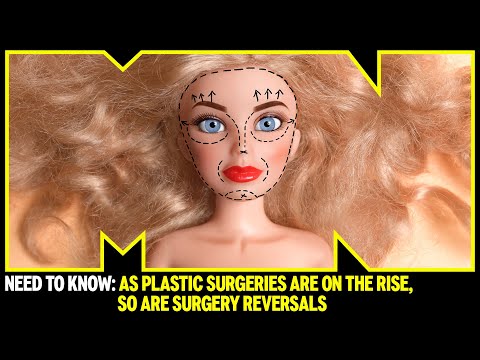
Okay, so let’s talk about something we all deal with. You know those perfect pics on social media? The ones where everyone looks flawless? Yeah, they mess with our heads.
This blog provides content for informational, educational, and reflective purposes only. The information published here does not constitute medical, psychological, or psychiatric advice, and it does not replace the evaluation, diagnosis, treatment, or individualized guidance of a properly licensed professional. If you believe you may be experiencing a psychological or health-related issue, consult a qualified professional as soon as possible before making important decisions about your well-being. Do not self-medicate or start, stop, or change medications, therapies, or treatments on your own. While we aim to provide useful and accurate information, we do not guarantee that it is complete, current, or suitable for every situation. Your use of this content is at your own risk, and reading it does not create a professional, clinical, or therapeutic relationship with the author or this website.
I mean, it’s like we’re scrolling through a highlight reel of other people’s lives. And suddenly? You’re thinking, “Why don’t I look like that?” or “Am I not enough?”
But here’s the thing: those beauty standards? They can really take a toll on our mental health. Seriously.
It’s wild how much pressure we put on ourselves just to fit in or measure up. So let’s break it down and chat about how social media shapes our views of beauty and the emotional rollercoaster that comes with it. Sound good?
How Social Media Beauty Standards Impact Mental Health: Understanding the Connection
It’s hard to scroll through social media these days without bumping into some kind of beauty standard, right? Whether it’s a filtered selfie or a glowing influencer promoting the latest beauty trend, those images can set some pretty high, unrealistic expectations for what we should look like. And the thing is, constantly comparing ourselves to these polished versions of beauty can mess with our heads in a major way.
First off, let’s talk about body image. For many people, social media creates a distorted view of what’s “normal” or “attractive.” You might see someone rocking that perfect thigh gap or flawless skin and feel pressured to look the same. This can lead to feelings of inadequacy. You know, when you stand in front of the mirror after seeing a bunch of perfect pics and just think, «Why don’t I look like that?» Yeah, it stings.
Then there’s the issue of anxiety. Social media can ramp up stress levels because you’re constantly seeking validation through likes and comments. Think about it: every time you post a picture, there’s this little voice wondering if people will love it or hate it. The more you care about those likes—especially when relating them to your appearance—the more anxiety creeps in. It becomes this cycle that feels impossible to break.
Next up is depression. Studies show that spending too much time on social media can actually increase feelings of loneliness and sadness. When you’re scrolling through endless feeds filled with idealized images, it might feel like everyone else is living their best life while you’re stuck just… existing. It can be really isolating.
Also noteworthy is how social comparison plays into all this. You might find yourself comparing your natural body against others who are filtered or edited to perfection. This comparison often leads to negative self-talk and low self-esteem; oh man, if only I had her hair or his abs… right?
But here’s the kicker: even if you know that most pictures are curated and filtered, they still leave an imprint on how you view yourself. That Snapchat filter may look cute on your friend but remember: it’s not real life! Sometimes it’s tough to remind ourselves that we all have flaws—yes, even those stars online!
Another thing worth mentioning is how these unrealistic standards can push folks toward harmful behaviors like excessive dieting or extreme exercise routines. People want quick results so they attempt drastic measures without considering the long-term effects on their mental health and physical well-being.
In sum, social media has become a double-edged sword in our lives regarding beauty standards. On one side, it connects us and offers inspiration; on the other side? It breeds insecurity and unhealthy comparisons that impact mental health big time. So really take a moment—maybe even limit your scrolling for a bit—to be kinder to yourself! You’re fantastic just as you are!
Exploring the Impact of 2022’s Social Media Beauty Standards on Mental Health
Social media has totally transformed the way we think about beauty, especially in 2022. You log on, and boom—you’re bombarded with images of perfectly filtered faces, flawless bodies, and seemingly effortless lifestyles. It’s like you’re watching a movie where everyone is the main character, and sometimes it feels like you’re stuck as a sidekick.
The pressure to conform to these beauty standards can seriously mess with your head. If you scroll through your feeds and constantly see these idealized versions of beauty, it’s hard not to feel a little bad about yourself. You might start comparing yourself unfavorably to what you see: «Why don’t I look like that?» or «How do they have such perfect skin?» It’s exhausting.
Many folks start developing issues like anxiety or depression because of these unrealistic standards. Studies show that people who spend more time on platforms like Instagram or TikTok tend to experience higher rates of body dissatisfaction. That feeling turns into a loop—you see the images, feel bad about yourself, maybe try to change how you look to fit in, and then still feel unhappy.
You know someone who feels this way, right? Like my friend Sarah? She used to love posting selfies until she got caught up in what everyone else was doing. She started feeling anxious every time she posted something—what if it didn’t get enough likes? What if people thought she wasn’t pretty enough? It really took a toll on her confidence.
Another thing is the rise of filters and editing apps. While they can be fun for sprucing up your photos, they also create a distorted reality. If you’re only seeing friends through heavy editing or filters, it’s easy to forget that those images aren’t real life; they’re carefully curated illusions. That can lead you down a path where you’re constantly chasing an unachievable look.
And let’s not overlook how this affects young people! Kids are often exposed to these ideals at such an early age. They might think that being beautiful means being liked or successful. That pressure? It’s just too much sometimes and can lead to eating disorders or low self-esteem.
So what can we do about it? Awareness is key here. Recognizing that social media often portrays an idealized version of reality makes all the difference. Maybe take a break from scrolling every once in awhile or follow accounts that promote body positivity or real-life experiences instead of just picture-perfect ones.
In short, the impact of 2022’s social media beauty standards on mental health can’t be ignored. It shapes how we view ourselves and others in profound ways—sometimes positive but often negative too. Let’s support each other in embracing our natural selves because at the end of the day, none of those flawless images are worth sacrificing your mental wellbeing over!
Exploring the Impact of Beauty Standards on Mental Health: Key Statistics and Insights
It’s wild to think about how much beauty standards can mess with our heads, right? Like, they’re everywhere—especially online. Social media platforms are filled with perfectly curated images that set these crazy high expectations for how we should look. And honestly, that can be tough to handle.
So, let’s break it down a bit. According to some studies, around 70% of women and 50% of men report feeling pressure to conform to these beauty standards because of social media. That’s a huge chunk of people! It’s not just about wanting to look good; it can lead to serious mental health issues like anxiety and depression.
People often compare themselves to those perfect Insta models or TikTok stars and end up feeling pretty crummy about their own appearance. You know that feeling when you scroll through your feed and suddenly feel like you just don’t measure up? It’s pretty common!
Here are some key points on how these beauty standards impact mental health:
- Body Image Issues: Constant exposure can trigger negative thoughts about your own body. Many end up with distorted body images, thinking they need to change something critical.
- Eating Disorders: Studies suggest a link between social media use and eating disorders. Girls are especially vulnerable, often feeling the need to diet obsessively.
- Anxiety and Depression: There’s a clear connection between comparing oneself online and higher rates of anxiety and depression symptoms. Feeling inadequate or left out takes a toll!
- The “Like” Factor: The number of likes on a post can affect self-esteem. If you don’t get as many likes as someone else or as many as you expected, it might tarnish your mood.
There was this study where researchers found that young adults who spent more time on platforms like Instagram had an increase in body dissatisfaction over time compared to those who didn’t engage as much with social media. It’s alarming stuff!
And hey, let me tell you about my friend Sarah. She always used to post these beautiful selfies but behind the scenes? She was struggling big-time with her self-image because she felt she wasn’t living up to her own posts! One day she confided in me about how much pressure she felt just keeping up that “perfect” image online, which led her into a bit of a downward spiral in terms of mental health.
But here’s the thing: It doesn’t have to be all doom and gloom. Awareness is key! Recognizing how these beauty norms affect us is the first step towards changing the narrative. Maybe consider following accounts that promote body positivity or real-life stories instead? Surrounding yourself with more authentic representation can help reclaim your sense of self-worth away from unrealistic expectations.
In this mess of filters and curated feeds, understanding your own value beyond looks is super important! After all, there’s so much more to us than just appearances—right?
Alright, so let’s talk about beauty standards on social media, because they’re everywhere these days. Seriously, if you scroll through your feed for like five minutes, you’ll see perfectly styled hair, flawless skin, and bodies that seem just so… I don’t know, unattainable? It’s like there’s this unspoken contest to see who can look the best while we’re all just trying to figure out life.
I remember scrolling through Instagram one night. A friend of mine posted this stunning picture from a recent vacation. I couldn’t help but think, “Why don’t I look like that?” Suddenly, I felt kind of heavy inside. You know that sinking feeling when you start comparing yourself to others? It’s like a mental rabbit hole—once you’re in it, it’s tough to get out.
The thing is, these polished images create this illusion of perfection that most people can’t live up to. And honestly? They mess with our heads! Studies have shown that diving into those glamorous posts can lead to anxiety and depression. Think about it: you’re constantly bombarded with what society tells you is beautiful while forgetting that everyone has their own struggles behind closed doors.
Plus, let’s not skip over filters. They can really warp our perception of beauty—like when your nose looks smaller or your skin appears totally flawless with just a tap! We’re all tempted to use them; I mean who doesn’t want a little bit of magic in their selfies? But then we start feeling bad when we see our “real” selves in the mirror.
It’s tough because social media can also be a space for empowerment and connection. There are some really awesome body positivity movements happening out there too! But the challenge lies in sifting through the noise and finding what feels real and uplifting rather than toxic.
So next time you’re scrolling and start feeling that pinch in your gut or those negative thoughts creeping in? Maybe take a break or follow accounts that celebrate diversity and authenticity instead. It can make a world of difference! Life’s too short to feel miserable over a screen—remember, you’re more than what those filters show!