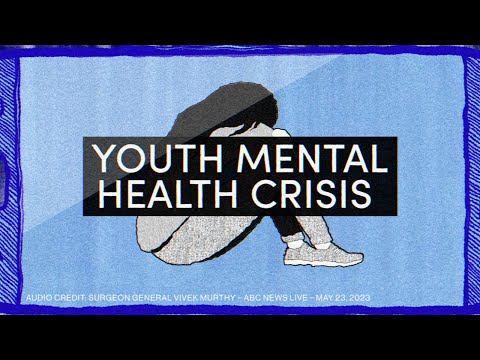
Alright, let’s talk about social media. You know, that thing we can’t live without?
This blog provides content for informational, educational, and reflective purposes only. The information published here does not constitute medical, psychological, or psychiatric advice, and it does not replace the evaluation, diagnosis, treatment, or individualized guidance of a properly licensed professional. If you believe you may be experiencing a psychological or health-related issue, consult a qualified professional as soon as possible before making important decisions about your well-being. Do not self-medicate or start, stop, or change medications, therapies, or treatments on your own. While we aim to provide useful and accurate information, we do not guarantee that it is complete, current, or suitable for every situation. Your use of this content is at your own risk, and reading it does not create a professional, clinical, or therapeutic relationship with the author or this website.
It’s like our lifeline these days—scrolling through TikTok or Instagram, seeing what everyone’s up to.
But here’s the kicker: it’s also giving a lot of teens some serious anxiety. I mean, have you noticed how stressed out they seem?
It’s not just the likes or comments; it runs deeper than that. There are studies popping up everywhere about this stuff.
So, what’s going on? Are those cute selfies and viral dances worth the mental toll? Let’s dig into this a bit.
Understanding the Impact of Social Media on Teen Anxiety: Key Insights and Strategies
The connection between social media and teen anxiety is something that’s been getting a lot of attention lately. You know, scrolling through feeds and seeing everyone’s highlight reels can really mess with how you feel about yourself. It’s like being in a constant comparison game, and sometimes you just don’t stack up.
So, first off, let’s talk about some of the ways social media can trigger anxiety. It all boils down to a few key things:
- Comparison Culture: When teens see others sharing only the best moments of their lives, it can create feelings of inadequacy. If your friend is posting pictures from an awesome vacation while you’re stuck at home, it can feel pretty crummy.
- Fear of Missing Out (FOMO): This one hits hard. Scrolling through posts about parties or gatherings that you weren’t invited to can lead to feelings of isolation and loneliness.
- Cyberbullying: Unfortunately, social media can be a breeding ground for bullying. The anonymity allows people to say things they might never say in person, which can be devastating.
- Pressure to Maintain an Online Persona: Teens often feel the need to present themselves perfectly online. If they’re having a bad day but need to keep up appearances? That’s just stressful.
Now let’s dig into some strategies for managing this anxiety. Seriously, it helps to have some tools in your back pocket:
- Set Time Limits: Try limiting your social media use. Just like too much candy isn’t good for you, spending endless hours on social media isn’t great for your mental health either.
- Curtail Comparisons: Remind yourself that social media isn’t real life. Everyone has struggles even if they don’t show them online. Unfollow accounts that make you feel bad about yourself.
- Create Real Connections: Focus on spending time with friends in person instead of through screens. Engaging face-to-face helps build strong connections and reduces feelings of loneliness.
- Talk It Out: Sometimes just chatting with someone about how you feel can help lift the weight off your shoulders. Don’t hesitate to confide in trusted friends or family members.
It’s also important to remember that it’s totally okay to seek professional help if things feel overwhelming. Therapists or counselors understand this stuff deeply and can offer support tailored for those anxious feelings brought on by social media.
Here’s a personal story: A friend once struggled with severe anxiety from comparing herself constantly on Instagram; she felt like everyone else had their lives together while she was barely keeping her head above water. After discussing her feelings with a therapist, she learned to adjust her social media habits and focused more on embracing her own journey instead of living through others’.
So yeah, if you’re feeling the pinch from social media’s crazy effects on mental health, know you’re not alone—and there are ways to regain control! Basically what I’m saying is take care of yourself out there!
Exploring the Link Between Social Media Use and Rising Anxiety Levels
So, let’s talk about social media and anxiety. Seriously, it feels like everyone’s using Instagram, TikTok, or Snapchat these days, right? But the thing is, all that scrolling and posting might not be as harmless as it seems.
First off, there’s this growing concern about how social media impacts mental health. Research shows a clear link between increased social media use and rising anxiety levels, especially in teens. Think about it: you’re constantly bombarded with curated images of other people’s lives. It can make you feel like everyone else is having a way better time than you are.
Just picture this: you’re scrolling through Instagram late at night. You see photos of friends hanging out without you or influencers living their “perfect” lives. The next thing you know, you might find yourself feeling inadequate or lonely. Like, when did your worth get measured by likes and followers?
Social comparison plays a huge role in this anxiety spike. When you’re always comparing yourself to others’ highlight reels, it can warp your perspective on reality. You start thinking if only I looked like that or had those experiences, then maybe I’d be happy too. This pressure can create this cycle of negative self-talk and lower self-esteem.
And let’s not forget about FOMO, or fear of missing out. This is super common these days! Seeing what everyone else is doing can lead to major feelings of exclusion. It’s tough when your phone buzzes with notifications that remind you there are events happening without you—makes your heart sink just a bit.
There’s also the issue of cyberbullying. Social media isn’t always sunshine and rainbows; some folks have to deal with harsh comments or outright harassment online. This can really take a toll on mental health, increasing feelings of anxiety and depression.
Another factor to consider is the time spent online. Research indicates that the more time teens spend on these platforms, the higher their anxiety levels tend to be. When your free time consists mostly of scrolling through feeds instead of engaging in real-life activities—like hanging out with friends or picking up a new hobby—it can isolate you even more.
But here’s something interesting: it’s not all bad news! There are ways to make social media work for your mental health instead of against it. For instance, curating your feed can help reduce feelings of inadequacy—follow accounts that inspire positivity rather than ones that trigger anxiety.
In summary, while social media has its perks for staying connected and finding communities—especially for those who may feel isolated—it also comes with potential risks for rising anxiety levels among teens. Balancing screen time with real-life interactions could be key to managing those feelings better—and hey, mental health matters more than likes!
Understanding the Impacts of Social Media Addiction on Mental Health
Social media has become a huge part of our lives, especially for teens. It’s like the go-to place for connecting, sharing, and sometimes just scrolling aimlessly. But here’s the thing: social media addiction can seriously mess with mental health. You know what I mean?
Think about it. When you’re constantly checking your phone, waiting for likes or comments, it can create this feeling of anxiety. I remember a friend of mine would get totally stressed out if their post didn’t get enough engagement right away. It was like their mood depended on those tiny numbers and notifications.
So then, let’s dig into how this plays out in real life. Here are some key points to consider:
- Increased Anxiety: Studies show that using social media excessively is linked with rising anxiety levels in teens. When they see their friends hanging out without them or living seemingly perfect lives, it can lead to feelings of inadequacy.
- Sleep Disruption: Late-night scrolling is a common culprit. Ever found yourself glued to your screen when you should be sleeping? That blue light messes with your sleep cycle, leaving you groggy and anxious the next day.
- Social Comparison: It’s hard not to compare yourself to others when everyone is posting highlights of their lives. Teens might feel pressured to keep up appearances or strive for unattainable standards, which can harm self-esteem.
- Isolation: Ironically, more time spent online can lead to feeling lonely. Instead of having real-life interactions, endless scrolling can leave teens feeling disconnected from those around them.
- Addictive Behaviors: Just like any addiction, the urge to check social media constantly can create a cycle that’s hard to break. This compulsive behavior takes away time and energy from other important activities like studying or hanging out with friends face-to-face.
But here’s the kicker—while social media isn’t all bad (it does help people connect), balance is key. Some teens find support groups online that help them feel less alone about their struggles! But if it starts taking over your life? That’s when you need to take a step back.
Getting professional help can be a game changer too. Therapists often encourage people to build healthier habits around social media use—like setting limits on screen time or taking regular breaks from all those platforms.
Look, we’re living in a digital age where social media is just part of the deal. But being aware of its impacts on mental health is super important for everyone—especially those younger folks navigating this landscape for the first time.
So if you notice signs of distress related to social media use—like constant anxiety or withdrawal from real-life activities—it might be worth talking about it with someone who gets it!
So, let’s chat about social media and teens. You probably know a bunch of kids who are glued to their phones, right? I mean, it seems like every time you look up, someone’s scrolling through TikTok or posting on Instagram. It’s everywhere. But here’s the thing: while social media can be a fun way to connect, there’s also this darker side—anxiety.
Think about it for a second. You’re scrolling through perfectly filtered photos of everyone hanging out or going on wild adventures. And then you look at your own life, maybe sitting at home in your pajamas, and it can feel… well, not so great. I remember this one time my friend posted a pic from some party we weren’t invited to. I can’t tell you how much that stung! It really got me feeling anxious about fitting in and whether I was missing out.
Studies show that heavy social media use can pump up those feelings of anxiety in teens. Like, when you’re constantly comparing yourself to others or worrying about likes and comments—it’s exhausting! Your brain starts firing off all these signals saying you’re not enough, or that everyone else is living a better life than you are. Honestly, it can feel like being trapped in an endless loop of negativity.
And then there are the trolls and haters lurking around online too. One nasty comment can ruin your whole day, right? That instant feedback—good or bad—can really mess with your head. You’re not just worrying about grades or friendships; now there’s this whole other layer of anxiety bubbling under the surface.
But hey, it’s not all doom and gloom! There are ways to manage this stuff. Setting boundaries with screen time can help—like turning off notifications during homework time or just deciding to take breaks from social media altogether might give you some mental space.
So yeah, while social media has its perks—like connecting with friends across the globe—it also comes with its fair share of baggage that most teens aren’t ready to unpack alone. If you’re feeling overwhelmed by it all, you’re definitely not alone! Talking it out with someone—a friend or a therapist—can be super helpful too. Just remember that everyone struggles sometimes; you’re not the only one navigating this wild ride called life!