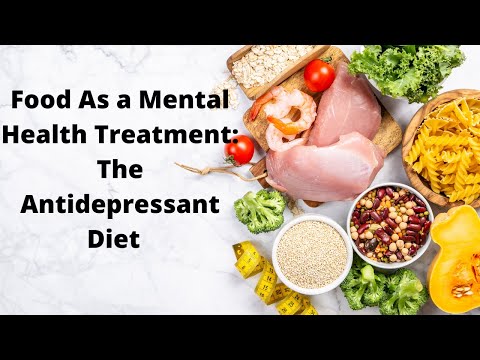
Hey, you know how everybody’s always talking about the connection between food and mood? It’s pretty wild, right? Well, it turns out that what you eat can have a real impact on your mental health, particularly if you’re on SSRIs.
This blog provides content for informational, educational, and reflective purposes only. The information published here does not constitute medical, psychological, or psychiatric advice, and it does not replace the evaluation, diagnosis, treatment, or individualized guidance of a properly licensed professional. If you believe you may be experiencing a psychological or health-related issue, consult a qualified professional as soon as possible before making important decisions about your well-being. Do not self-medicate or start, stop, or change medications, therapies, or treatments on your own. While we aim to provide useful and accurate information, we do not guarantee that it is complete, current, or suitable for every situation. Your use of this content is at your own risk, and reading it does not create a professional, clinical, or therapeutic relationship with the author or this website.
I mean, think about it. You’re working through some stuff, and then you find out that certain foods might actually help your meds work better. That’s like hitting the jackpot!
So, let’s chat about some yummy eats that could boost your mood and support those happy little serotonin vibes. You ready to dig in?
Top Foods to Enhance the Effects of Antidepressants and Boost Your Mood
Eating well isn’t just about looking good; it can really impact how you feel, especially when you’re on antidepressants like SSRIs (selective serotonin reuptake inhibitors). So let’s chat about some foods that might *boost your mood* and work hand in hand with your meds.
1. Fatty Fish: Think salmon, mackerel, or sardines. These fish are loaded with omega-3 fatty acids, which are believed to help with depression. They might enhance the effects of antidepressants too. It’s all about those good fats!
2. Leafy Greens: Kale and spinach aren’t just for salads, you know? They’re packed with folate, a B-vitamin that some studies suggest can improve mood. Your brain loves folate as it helps produce dopamine, the feel-good hormone.
3. Fermented Foods: If you haven’t tried kimchi or yogurt yet, give ‘em a shot! These tasty options are full of probiotics that improve gut health. And guess what? A healthy gut can positively influence your mental health.
4. Whole Grains: Foods like brown rice and quinoa can be beneficial too! They release glucose slowly into your bloodstream, keeping your mood steady instead of causing those pesky highs and lows.
5. Nuts and Seeds: Almonds, walnuts, chia seeds—they’re all great choices! They’re rich in magnesium and other nutrients that may help reduce anxiety and depressive symptoms.
Now here’s something to think about: I remember my friend Sarah who struggled with her mood for years. When she started eating more whole foods—like those listed above—she noticed a real difference over time in how she felt while taking her medication. Not saying it was magic or anything, but it definitely helped!
6. Dark Chocolate: Yes, you read that right! Dark chocolate contains antioxidants and has been shown to boost serotonin levels in the brain. Just remember to enjoy it in moderation; too much sugar could backfire.
7. Berries: Blueberries and strawberries are not just pretty; they pack a punch when it comes to antioxidants! These little guys may help protect the brain from stress and promote overall well-being.
So basically, adding these foods into your diet could potentially support how well those antidepressants work for you while also lifting your spirits a bit—food is powerful like that! Remember though—it’s always best to chat with your doctor or a dietitian before making any major changes to what you’re eating or how you use medications together.
Eating well isn’t just about nutrition; it’s part of caring for yourself holistically!
Foods to Avoid When Taking SSRIs: What You Need to Know for Better Mental Health
When you’re on SSRIs, or selective serotonin reuptake inhibitors, keeping an eye on what you eat can be super important. These meds help boost serotonin levels in your brain, which is great for your mood. But there are certain foods that might mess with how well they work. So, let’s get into it.
First off, grapefruit and grapefruit juice can be a big no-no. Why? Well, they interfere with the enzymes that help break down and metabolize the medication. This means it can lead to higher levels of the drug in your system, which isn’t ideal. You could end up feeling overly sedated or experience more side effects than usual.
Then there are alcohol and caffeine. While a little cup of coffee or a glass of wine here and there isn’t gonna make a huge impact for most people, combining them in excess with SSRIs can cause issues. Alcohol is a depressant; it might feel good at first but could clash with your meds, potentially worsening anxiety or depression symptoms. Caffeine can heighten anxiety levels, so if you’re already feeling jittery from SSRIs, you might want to cut back.
Also, watch out for high-tyramine foods. This compound can be found in aged cheeses and cured meats like salami or pepperoni. While not all SSRIs have this issue, some do—particularly MAOIs (another class of antidepressants). If you’re unsure about yours or just wanna play it safe, it’s worth steering clear.
And let’s not forget about processed sugars. Eating too much sugar might create mood swings and energy crashes that take you back to square one with your mental health goals. Instead of reaching for a sugary snack when you’re feeling down or anxious, consider something healthier instead.
Speaking of healthy snacks: incorporating fruits and veggies is always a good choice! A balanced diet rich in nutrients supports overall mental well-being. Foods like leafy greens can help combat some side effects linked to SSRIs by offering essential vitamins.
Lastly, you may wanna keep an eye on supplements, especially those containing St. John’s Wort or other herbal remedies without chatting with your doc first. They could interact negatively with your medication!
So remember: while managing your mental health through pills is key, pairing that treatment with sensible eating habits is equally vital. Stay aware of what goes into your body; it’s all about creating a supportive environment for your mental health journey!
Top Foods to Boost Your Mental Wellbeing: Eat Your Way to a Happier Mind
Sure! Eating right can really give your mental health a boost. Just like your body needs fuel, your brain does too, you know? Here’s a rundown of some foods that can help lift your spirits and support your overall mental well-being.
Fatty Fish: These are packed with omega-3 fatty acids, which are super important for brain health. Salmon, mackerel, and sardines can help reduce anxiety and depression. You might notice that when you eat fish regularly, you feel a bit calmer or more focused.
Berries: Blueberries, strawberries, and blackberries are rich in antioxidants. They fight off oxidative stress that can impact your mood. Plus, they taste great! Toss them in yogurt or oatmeal for an extra boost.
Nuts and Seeds: Walnuts and flaxseeds are especially high in omega-3s too. Snacking on these can help keep your brain sharp and improve overall emotional health. It’s like giving a little gift to yourself every time you munch on them!
Leafy Greens: Spinach, kale, and Swiss chard are not just good for the body; they’re also fantastic for the mind. They contain vitamins and minerals that help fend off mood disorders. A simple salad loaded with these greens can be refreshing both physically and mentally.
Whole Grains: Think brown rice or whole grain bread! These foods release glucose slowly into the bloodstream, keeping your energy stable throughout the day. That means fewer mood swings—yes please!
Fermented Foods: Yogurt, kimchi, sauerkraut—these guys do wonders for gut health! A healthy gut is connected to a healthy mind because it helps produce neurotransmitters like serotonin. So maybe try adding some of these to your meals!
Dark Chocolate: Sweet news alert! Dark chocolate is full of flavonoids which may improve mood by boosting blood flow to the brain. Just don’t go overboard; moderation is key.
Now let’s talk about how these foods may interact with SSRIs (selective serotonin reuptake inhibitors). Some studies suggest that certain nutrients found in food can actually enhance the effectiveness of SSRIs by improving serotonin production in the brain.
Remember when my buddy Mike was feeling really low? He started incorporating more veggies into his snacks after work instead of chips. Seriously—it was like a light switch flipped for him! He felt more energetic and motivated to tackle his hobbies again.
So next time you’re planning meals or snacks, think about how you’re fueling not just your body but also your mind! Eating well isn’t some magic cure-all but consistently making healthier food choices can definitely pave the way to better mental wellbeing over time; it’s all part of taking care of yourself!
You know, it’s really interesting how what we eat can play a role in how we feel mentally. Like, have you ever noticed that certain foods just seem to lift your mood? That’s not just in your head. There’s some good evidence out there suggesting that certain foods might actually support mental health—especially if you’re on medications like SSRIs.
I remember a time when my friend struggled with depression. She was on antidepressants but felt like something was missing. It wasn’t until she started paying more attention to her diet that things began to click for her. She went from grabbing takeout all the time to cooking up some colorful meals filled with veggies, whole grains, and lean proteins. And guess what? Her mood started to improve! It’s pretty amazing how adding some healthy foods can complement the effects of therapy and medication.
So, what should you be munching on? Well, fatty fish like salmon are a biggie because they’re rich in omega-3 fatty acids, which are linked to better brain health. And let’s not forget about leafy greens—spinach or kale—as they pack in nutrients that might help combat stress.
And then there are whole grains. You know those carbs that scare people? They’re actually super important for our serotonin levels—the “feel good” chemical! Eating things like oats or brown rice can help keep your mood steady throughout the day.
But hey, it’s not all about what you eat; it’s also about what you drink! Staying hydrated is key, and even simple herbal teas can be calming as well.
Of course, everyone is different and what works for one person might not work for another. So if you’re going through tough times or adjusting your meds, it’s always wise to talk with a healthcare provider first before making any big changes. But overall, being aware of our food choices is just another tool in our mental well-being toolbox—like therapy or medication itself.
At the end of the day, it’s all about balance and finding what makes you feel good inside and out! It’s so cool how little changes can lead to bigger improvements in life. Do you have any favorite meals that make you feel great?