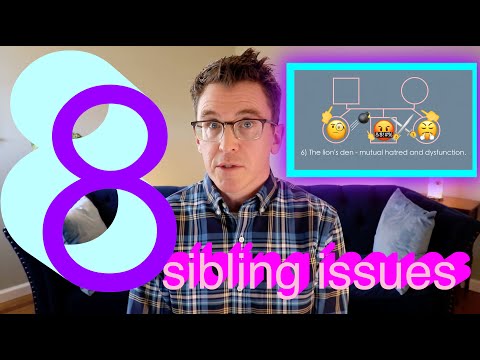
You know, sibling relationships can be really complicated. One minute you’re best buds, and the next, it feels like a battle zone. Toxic dynamics can sneak up on you—like that annoying little brother who just won’t stop teasing. Ugh!
This blog provides content for informational, educational, and reflective purposes only. The information published here does not constitute medical, psychological, or psychiatric advice, and it does not replace the evaluation, diagnosis, treatment, or individualized guidance of a properly licensed professional. If you believe you may be experiencing a psychological or health-related issue, consult a qualified professional as soon as possible before making important decisions about your well-being. Do not self-medicate or start, stop, or change medications, therapies, or treatments on your own. While we aim to provide useful and accurate information, we do not guarantee that it is complete, current, or suitable for every situation. Your use of this content is at your own risk, and reading it does not create a professional, clinical, or therapeutic relationship with the author or this website.
Sometimes, it’s hard to tell if you’re dealing with normal sibling squabbles or something way deeper. And that’s when things get tricky.
Maybe you’ve found yourself dreading family gatherings because of one particular sibling. Or perhaps every conversation feels like a minefield just waiting to explode.
Seriously, navigating those challenges can be exhausting! But you’re not alone in feeling this way. Let’s chat about how to deal with toxic sibling relationships without losing your mind—or your sense of self!
10 Essential Insights for Navigating Relationships with Toxic Family Members
Navigating relationships with toxic family members, especially siblings, can be seriously tough. You might feel stuck sometimes, like there’s no way out. That’s pretty common. Here are some insights that could help you manage those challenging dynamics.
1. Recognize Toxic Behavior
It’s key to identify what “toxic” really means in your family context. This could be constant criticism, manipulation, or even controlling behavior. For example, if your sibling belittles your achievements every chance they get, that’s a major red flag.
2. Set Boundaries
Boundaries aren’t just a nice idea; they’re essential for your mental health. You’ve gotta decide what you will and won’t tolerate. If your sibling keeps bringing up that embarrassing moment from childhood, tell them it bothers you and ask them to stop.
3. Don’t Take It Personally
Toxicity often stems from the other person’s issues—not yours! So when they lash out or make snarky comments, remember it’s more about their struggles than anything to do with you. It can make it easier to shake off their negativity.
4. Manage Expectations
Sometimes you might wish for a close relationship that’s nurturing and supportive, but holding onto those expectations can lead to disappointment. Realizing that your sibling may never be the person you want them to be can relieve some emotional pressure.
5. Limit Interaction
If the relationship is consistently draining, it might help to limit how much time you spend together. You don’t have to cut them off completely—just find a balance that feels safe for you.
6. Use “I” Statements
When talking about issues with your sibling, try using “I” statements instead of “you” statements to avoid putting them on the defensive. For example: Instead of saying “You always criticize me,” try “I feel hurt when I hear negative comments.” This way, you’re focusing on how their behavior affects *you*, rather than accusing them outright.
7. Seek Support Elsewhere
It can be really helpful to confide in others who understand what you’re dealing with—like trusted friends or even a therapist who specializes in family dynamics. They can provide perspective and support as you navigate these tricky waters.
8. Focus on Self-Care
You need to take care of *yourself* first and foremost! Engage in activities that recharge your batteries and help keep stress levels down—whether it’s exercising, journaling or just binge-watching your favorite show guilt-free!
9. Embrace Emotional Distance
This doesn’t mean cutting ties but rather finding ways not to let their toxicity affect how *you* feel about yourself or your life choices anymore—like building an emotional shield around yourself so their words bounce off without leaving scars.
10. Know When to Walk Away
Sometimes relationships need a hard reset—or even an ending altogether—for the sake of your well-being. If things don’t improve despite efforts on both sides, it might just be time for some distance for good—or even permanent separation if necessary.
Managing toxic family relationships isn’t easy and takes a lot of courage plus self-awareness—but putting these insights into practice can lead to healthier dynamics over time! Remember: It’s all about protecting your own peace while trying to maintain dignity where possible.
Discover Your Sibling Dynamics: Take the Toxic Sibling Quiz Today!
Sibling relationships can be super complicated, right? You know, sometimes they can feel like a rollercoaster ride filled with all sorts of ups and downs. Toxic sibling dynamics can really affect your emotional well-being. Understanding those dynamics is so important for your mental health.
So, what does it mean when we talk about a toxic sibling relationship? Well, in simple terms, it’s when interactions with your brother or sister leave you feeling drained, anxious, or even angry. It’s not uncommon to feel trapped or unsupported by a sibling who consistently undermines you or engages in negative behaviors.
Let’s break down some key signs of a toxic sibling relationship:
- Constant Criticism: If your sibling always puts you down instead of lifting you up, that’s a red flag. It could be in the form of jokes that cut too deep or just plain rude remarks.
- Manipulation: Some siblings have a knack for playing mind games. They may twist situations to make themselves look good at your expense.
- Lack of Support: When you’re going through tough times—like breakups or job losses—and they’re nowhere to be found, it shows a lack of empathy.
- Jealousy: Siblings should ideally celebrate each other’s successes. But if yours seems resentful instead? That’s toxic territory.
- Boundary Issues: If they disregard your personal space and privacy constantly, it’s time to reassess that relationship.
Picture this: maybe you had plans with friends but your sibling insists on tagging along even though it makes things uncomfortable. Or perhaps they constantly borrow things without asking and then act annoyed when you mention wanting them back. It’s frustrating!
You might wonder why it matters to identify these toxic patterns. Well, recognizing the issues helps you set boundaries and protect your mental space. Taking something called the Toxic Sibling Quiz can actually help illuminate those unhealthy behaviors in an almost fun way. It prompts self-reflection and can lead to some eye-opening realizations.
But here’s the thing—understanding is just the first step. Once you’ve identified these patterns, what do you do next? Having an honest conversation with your sibling might help if that’s possible and safe for you. Sometimes people don’t realize how their behavior impacts others; maybe they think they’re being funny but don’t see the hurt behind their words.
And if talking doesn’t work out? You might need to create more distance for your own well-being—which is totally okay! Surrounding yourself with supportive friends or family members can really help balance things out too.
The point is this: whether you’re close or just barely speaking at all, navigating these relationships takes work and awareness. Remember, it’s all about prioritizing your peace and emotional health because *you* deserve that!
7 Key Signs You Grew Up in a Toxic Family: Recognizing the Impact on Your Mental Health
Recognizing the Signs of a Toxic Family
Growing up in a toxic family can leave some deep emotional scars. It’s not just about having bad moments here and there; it’s like constant storms brewing around you. So, if you’re wondering whether your upbringing was healthy or toxic, let’s explore some key signs that might point to a not-so-great childhood.
- Constant Negativity: If you remember your home as a place where criticism was the norm, this is pretty telling. Maybe it felt like everyone was always pointing out what you did wrong rather than celebrating your wins. That kind of environment can really mess with your self-esteem.
- Lack of Support: A family should be your biggest cheerleaders, right? But if you were constantly left feeling alone during tough times—whether it’s school struggles or emotional issues—it could indicate a toxic dynamic. You might find yourself second-guessing yourself often.
- Excessive Control: Some families exert control over their kids’ decisions—what they wear, who they hang out with, or even what they study. This controlling behavior can lead to feelings of helplessness and resentment in adulthood.
- Inconsistent Parenting: Growing up with one parent being overly strict while the other is extremely lenient creates confusion. This inconsistency can lead to anxiety and difficulties in trusting others later on. You might feel always on edge, unsure of rules or expectations.
- No Emotional Validation: When feelings are dismissed or mocked instead of acknowledged, it can be incredibly damaging. If you were told things like “You’re too sensitive” or “Just get over it,” you’re likely carrying around some unresolved feelings that affect how you relate to others now.
- Sibling Rivalry Gone Too Far: Toxic sibling relationships can start early on and continue into adulthood. If competition between siblings turned into animosity or unhealthy comparisons, it may have shaped how you perceive relationships in general.
- Tendency to Blame Others: In many toxic families, taking responsibility for personal actions isn’t emphasized. If blame-shifting was common at home—for instance, parents avoiding accountability for their mistakes—you might find yourself doing the same in friendships or work situations.
It’s no joke when I say these signs are more than just growing pains; they can stick around well into adulthood if not addressed properly. For instance, I once met someone who felt constantly anxious about entering new relationships because their siblings would make fun of them for being vulnerable when they were younger. Crazy how deep those roots can grow!
Understanding these signs is the first step toward healing and breaking free from patterns that weigh you down emotionally. Remember, recognizing what’s been hurting you is already a big move towards taking charge of your mental health!
You know, sibling relationships can be some of the most complicated ones out there. They can be filled with love, laughter, and support, but they can just as easily turn into something really messy—like a minefield of rivalry and resentment. Navigating the challenges of a toxic sibling dynamic isn’t easy, trust me.
I remember my friend Anna talking about her relationship with her sister. They were super close growing up, sharing all those silly childhood memories. But then, as they got older, things started to shift. Anna’s sister became really competitive and critical. It wasn’t just about who’s better at something; it felt personal. Anna would find herself feeling drained after their conversations instead of uplifted like she used to.
So why do these toxic patterns develop? Well, often it boils down to unresolved issues or unmet expectations. Maybe one sibling feels overlooked while the other basks in the spotlight. Or there could be jealousy creeping in because of life choices that feel so different from each other’s paths.
Setting boundaries can be crucial in these situations. If you find yourself feeling constantly criticized or belittled by a sibling, it’s okay to step back and protect your mental space. But that doesn’t mean you want to cut ties completely—it’s more about finding a way to interact that feels healthier for you.
Communicating feelings is tricky though! There’s this fear of hurting their feelings or escalating conflict. But sometimes opening up—even in small doses—can make a huge difference. That back-and-forth honesty can help clear the air and reduce misunderstandings.
Yet even with all this effort, not every relationship gets better overnight—or ever in some cases! Sometimes you gotta accept that not everyone can change or grow alongside you—and that’s tough to swallow.
In the end, prioritizing your well-being is key. Whether it means limiting contact or seeking guidance from someone who understands the situation helps incredibly. Life is too short to carry around those heavy emotional weights from toxic ties! And no matter what happens with your siblings, remember: your worth isn’t defined by their words or actions; it’s rooted deep within you!