So, let’s chat about something that’s, like, super important. Mental health. You know? It can be a bit of a rollercoaster ride sometimes.
This blog provides content for informational, educational, and reflective purposes only. The information published here does not constitute medical, psychological, or psychiatric advice, and it does not replace the evaluation, diagnosis, treatment, or individualized guidance of a properly licensed professional. If you believe you may be experiencing a psychological or health-related issue, consult a qualified professional as soon as possible before making important decisions about your well-being. Do not self-medicate or start, stop, or change medications, therapies, or treatments on your own. While we aim to provide useful and accurate information, we do not guarantee that it is complete, current, or suitable for every situation. Your use of this content is at your own risk, and reading it does not create a professional, clinical, or therapeutic relationship with the author or this website.
Finding the right support is crucial. It can honestly make all the difference in your journey. And that’s where TRD Clinic comes in, like a guiding light in the fog.
They get it—like really get it. Sometimes you just need someone to sit with you and say, “Hey, I totally understand.” We all have our ups and downs, and it’s okay to reach out for help.
Ready to explore what TRD Clinic has to offer? Let’s take this journey together!
Exploring Effective Treatments for Treatment-Resistant Depression (TRD)
Treatment-resistant depression (TRD) is a heavy term, and honestly, it can feel pretty isolating. You know that feeling when nothing seems to lift your spirits, and you’ve tried what feels like everything? That’s TRD for you. But, if you’re in that boat, there are still options to explore.
First off, it’s important to understand what TRD means. Basically, it refers to major depressive episodes that don’t improve after trying at least two different antidepressants. It can be really frustrating because it seems like no matter what you do, the dark cloud just doesn’t budge. But hang on; there are effective treatments out there.
Psychotherapy can work wonders for folks dealing with TRD. Cognitive-behavioral therapy (CBT), for instance, helps by shifting negative thought patterns. Imagine talking through your worries with someone who gets it and can help you see things from a different angle.
Another option is medication adjustments. Sometimes it’s about finding the right mix or dosage of meds that works for you. This might involve switching between antidepressants or adding medications that aren’t typical antidepressants at all, like mood stabilizers or antipsychotics.
Have you heard of ketamine treatments? This is kind of a game changer in some circles! Ketamine can provide rapid relief from depressive symptoms for some people when other treatments haven’t worked. It’s often given as an infusion at specialized clinics—and while it’s not an everyday solution, the quick relief some folks experience is honestly amazing.
Then there’s electroconvulsive therapy (ECT). Now I know this sounds intense—like something out of a sci-fi movie—but hear me out. ECT has proven very effective for severe depression and even TRD when other treatments fail. It’s done under anesthesia and usually kicks in quickly compared to traditional antidepressants.
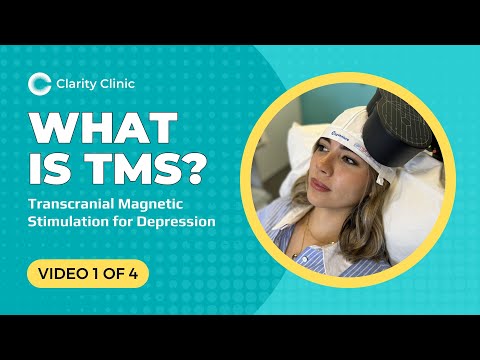
Another treatment option includes transcranial magnetic stimulation (TMS). This involves using magnetic fields to stimulate nerve cells in the brain related to mood control. It’s non-invasive and doesn’t come with some of the side effects associated with medications—plus people report good outcomes!
You might also want to consider lifestyle changes or holistic approaches as part of your treatment plan—things like regular exercise or mindfulness meditation can seriously complement medical interventions and foster resilience over time.
If you’re thinking about options, look into a TRD clinic if one’s available near you! These places often have specialized teams ready to support your mental health journey by tailoring treatments specifically for your needs.
So yeah, battling TRD isn’t a walk in the park—but with various treatment avenues available now more than ever, hope isn’t lost! It might take time and experimenting to find what clicks for you but don’t give up! You’re definitely not alone on this path.
Understanding TRD: Is Treatment-Resistant Depression a Lifelong Challenge?
Treatment-Resistant Depression, or TRD, can feel like trying to climb a mountain with no end in sight. Seriously, if you’ve battled depression that just won’t budge despite different treatments, you’re not alone. The statistics show that about one-third of people with major depressive disorder experience TRD. So, what’s the deal?
First off, let’s talk about what TRD really is. It refers to depression that doesn’t respond well to typical treatments like antidepressants or therapy after trying multiple options. You might be thinking, «Is this gonna be my life forever?» Well, it can feel hopeless sometimes, but there’s more to the story.
Many folks don’t realize how complex depression is. It’s not just about feeling sad all the time; it can manifest in a variety of ways—like fatigue, anxiety, irritability, and even physical symptoms. Everyone experiences it differently. Finding the right treatment is often a hit-or-miss situation which can lead people down a frustrating road.
Now, if you’re stuck in this cycle where nothing seems to work for you anymore, here are a few things you should keep in mind:
- Personalized Treatment: What works for one person might not work for another. Your body chemistry is unique! Doctors often recommend personalized treatment plans that cater specifically to your needs.
- Exploring Alternatives: There are many new therapies out there now—things like cognitive behavioral therapy (CBT), electroconvulsive therapy (ECT), or even newer medications like ketamine infusions could provide some relief.
- Support System: Surrounding yourself with understanding friends and family is super important. Having someone to talk to makes a huge difference.
- Monitoring Symptoms: Keeping track of your day-to-day emotional state and making note of what helps or worsens your mood could provide valuable insights for you and your therapist.
Think about this: I once spoke with someone who had TRD for years and felt completely defeated by it. They tried everything—multiple meds, yoga classes, support groups—you name it! What ultimately shifted things was seeking out a specialized clinic focused on TRD that introduced them to options they hadn’t tried yet and techniques tailored just for them.
So you see? It doesn’t have to be a lifelong challenge if you stay proactive! The road might be bumpy and twisty—but with patience and the right support systems in place—a breakthrough is possible.
Don’t hesitate to reach out for help or explore new avenues because recovery isn’t just about surviving; it’s about living fully again! You got this!
Enhancing Effexor for Depression: Effective Additions and Strategies
When dealing with depression, sometimes Effexor (or venlafaxine) doesn’t do the trick all on its own. For folks grappling with **treatment-resistant depression** (TRD), it can feel like you’re stuck in a fog that just won’t lift. But there are ways to enhance its effect and support your mental health journey.
First off, some doctors might suggest adding another medication to your Effexor regimen. This could be something like **Wellbutrin**, which is often used alongside other antidepressants to help boost energy levels and lift mood. You gotta keep in mind, though, that each person’s body reacts differently to meds, so what works for one might not work for you.
Another route is incorporating certain **supplements**. Omega-3 fatty acids, for instance—found in fish oil—have shown potential in enhancing mood and overall brain health. And you know what? A lot of people find that adding vitamin D or magnesium can help too, especially if they’re low in those nutrients.
Therapy plays a huge role as well. Cognitive Behavioral Therapy (CBT) has proven effective for many dealing with depression. It helps you tackle negative thought patterns and replaces them with more balanced ones. Seriously, it can be super helpful when paired with medication.
Also, let’s talk about lifestyle changes; they can make a big difference! Getting regular exercise is a game changer—it boosts endorphins and gives an instant mood lift. Plus, connecting with friends or family can help ease feelings of isolation. Even just chatting over coffee or going for a walk can really work wonders.
And don’t underestimate the value of **mindfulness practices** like meditation or yoga. These can help ground you and bring awareness to your emotions without getting overwhelmed by them.
So basically, while Effexor is a solid foundation for many folks battling depression, there are plenty of strategies and additions you can explore to enhance its effectiveness:
- Combine with other medications like Wellbutrin.
- Incorporate supplements like Omega-3s or vitamin D.
- Engage in therapy such as CBT.
- Exercise regularly.
- Practice mindfulness techniques.
Every journey through mental health challenges is unique—you know? It’s all about finding the right blend of options that resonate with you personally. Always consult your healthcare provider before making changes; they’re there to guide you on this path toward feeling better!
So, let’s talk about a place that’s been a game-changer for a lot of folks struggling with depression—like, seriously. It’s called the TRD Clinic, and if you’ve been dealing with treatment-resistant depression (TRD), this could be a lifeline for you.
Picture this: There was once this guy, Tom. He was in his thirties, had a decent job and some great friends, but every morning felt like he was dragging himself out of quicksand. He tried therapy, took the usual meds—you know how it goes—but nothing really hit the mark. He was starting to think things would never get better. Then someone suggested checking out a TRD Clinic.
Now, these clinics are specifically designed for people who’ve been fighting an uphill battle against depression that just doesn’t seem to budge. At a TRD Clinic, you’ll find folks who really understand what you’re going through. It’s not just about popping pills or sitting in silence during sessions; it’s about getting creative with your treatment options.
What’s cool is that they often use various strategies—all tailored to fit your unique situation. You might explore newer medications that aren’t commonly prescribed everywhere or delve into more advanced therapies like ketamine infusions or transcranial magnetic stimulation (TMS). And honestly? That can feel like a breath of fresh air when you’ve been stuck trying the same old solutions for what feels like ages.
The environment there is different too; it feels less clinical and more like they actually care about your well-being. You’re surrounded by professionals who listen and validate your feelings without judgment—like having that friend who just gets it and encourages you to keep going when you’re feeling lost.
But let’s be real—venturing into something like this can feel intimidating at first. There’s always that little voice in your head asking if it’ll actually help or if it’s worth the effort. But remember Tom? He took that leap and ended up finding not only relief but hope where he thought none existed before.
So if you’re sitting there wondering if there could be more options for your mental health journey, consider looking into a TRD Clinic. It’s not just treatment; it’s support and understanding wrapped up together—something everyone deserves on their path to feeling better.