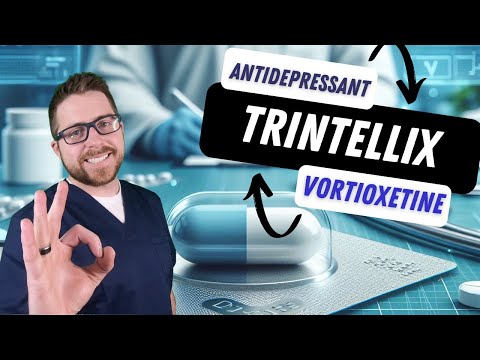
Hey! So, let’s talk about something that can sneak up on you: fatigue. You know, that feeling when you just can’t shake off the tiredness, even when you’ve had enough sleep? It’s like dragging a hundred-pound weight around all day.
This blog provides content for informational, educational, and reflective purposes only. The information published here does not constitute medical, psychological, or psychiatric advice, and it does not replace the evaluation, diagnosis, treatment, or individualized guidance of a properly licensed professional. If you believe you may be experiencing a psychological or health-related issue, consult a qualified professional as soon as possible before making important decisions about your well-being. Do not self-medicate or start, stop, or change medications, therapies, or treatments on your own. While we aim to provide useful and accurate information, we do not guarantee that it is complete, current, or suitable for every situation. Your use of this content is at your own risk, and reading it does not create a professional, clinical, or therapeutic relationship with the author or this website.
Now, if you’re on Trintellix or thinking about it, that combo can get a bit tricky. For some folks, Trintellix helps lift those heavy clouds of depression and anxiety. But then there’s this weird side effect—fatigue.
Totally confusing, right? One minute you’re feeling hopeful, and the next, you’re fighting to keep your eyes open. Let’s unpack this together. It’s not just about the meds; it’s about figuring out what works for you in the mental health puzzle.
Uncovering the Impact of Trintellix on Energy Levels: A Comprehensive Guide
Trintellix, also known as vortioxetine, is an antidepressant that many people turn to for managing depression and anxiety. It’s in a class of medications called serotonin modulators and stimulators. If you’re curious about how it can affect your energy levels, you’re not alone. Trust me; many folks have wondered this too.
First off, the thing to keep in mind is that Trintellix works on serotonin in the brain. You know how serotonin is often called the “feel-good” chemical? Well, it helps regulate mood and can even impact your energy levels. Some people find that once they start taking Trintellix, their energy improves as their mood lifts. But hold on—this isn’t the case for everyone.
- Initial Effects: When starting Trintellix, some folks might actually feel more tired or fatigued for a bit.
- Adjustment Period: This fatigue could be part of your body adjusting to the medication.
- Long-Term Changes: After a few weeks, many people report feeling more energetic as their mood stabilizes.
Let me tell you a story: A friend of mine named Sarah started taking Trintellix after struggling with her depression for years. At first, she felt like she was dragging through mud every day—fatigue was just part of her routine. But by week three or four? Total turnaround! She started feeling lighter and energized enough to tackle hobbies she loved again.
But everyone’s journey with Trintellix can look a bit different. Some may experience:
- No Change: For others, there might not be much shift in energy levels at all.
- Increased Energy: Some even feel wired or jittery; this isn’t super common but does happen.
- Cognitive Effects: It’s important to mention some users have noted improved focus and clarity while on it. More clarity could lead to feeling more energetic overall.
If you find yourself dealing with fatigue while on Trintellix—or if you’re just considering it—it’s key to keep an open line of communication with your doctor. They can help determine if what you’re experiencing is expected or if adjustments need to be made.
Also, don’t forget about lifestyle factors! Sleep quality, nutrition, and exercise can seriously influence how energized or fatigued you feel while taking any medication.
In essence, while Trintellix can boost energy levels for some as they progress through treatment, it may also lead to initial fatigue for others. Just remember: everyone reacts differently! Keep track of how you’re feeling and don’t hesitate to reach out for support when you need it.
Unveiling the Truth About Trintellix: Key Insights on Its Effectiveness and Uses in Mental Health
Trintellix, known generically as vortioxetine, is one of those medications that comes up in conversations about treating depression and anxiety. So, what’s the deal with it? Well, it’s not just another antidepressant; it has a unique way of working in the brain.
First off, Trintellix is known as a serotonin modulator. Basically, what that means is it both increases serotonin levels and manages how your brain responds to it. Serotonin is often called the “feel-good” chemical because it’s linked to mood regulation. If you’ve ever felt down or lethargic for no clear reason, you might have experienced low serotonin levels.
Now, let’s talk about effectiveness. Studies show that Trintellix can be quite effective for major depressive disorder. Many people report feeling better after starting this med, but like any medication, its impact varies from person to person. Some users feel an increase in energy and motivation while others might still struggle with fatigue.
And here’s where things get interesting: fatigue. You might think that an antidepressant would zap away tiredness and bring on the pep in your step. But for some folks on Trintellix, fatigue can actually be more pronounced when they first start taking it or if their dosage gets adjusted. It’s like your body is adjusting to a new rhythm—it takes time to find your groove.
Now let’s dig into some key points about how Trintellix works and its common uses:
- This medication helps improve mood by balancing serotonin levels but may also affect other neurotransmitters.
- It’s often prescribed for depression but has also shown benefits for anxiety disorders.
- Some patients report cognitive improvements—like clearer thinking or better focus—which is pretty cool!
- Side effects can include nausea or sexual dysfunction; fatigue is less common but still possible.
Here’s a little story to illustrate this: I had a friend who started taking Trintellix after struggling with major depression for years. In the beginning, she felt great! More energy, brighter mood—the works! But then came the fatigue out of nowhere. She was worried because she thought she’d taken two steps back in her recovery journey. After chatting with her doctor about it—totally important—she learned that adjusting her dosage could help her feel more balanced.
So if you’re considering Trintellix or are already on it but dealing with fatigue, don’t hesitate to talk to your healthcare provider about your experience. Everyone’s journey with mental health meds is different; it’s all about finding what works best for you.
In short, Trintellix can be a powerful tool in treating depression and anxiety symptoms but be aware of potential side effects like fatigue as you navigate your mental health journey. Patience and communication are key here!
Effective Strategies to Overcome Antidepressant Fatigue and Boost Your Energy
Feeling tired and drained when you’re on antidepressants like Trintellix? You’re definitely not alone. Many people experience fatigue as a side effect. It’s frustrating, you know? You’re trying to feel better mentally, but then your body feels weighed down. Let’s chat about some strategies to boost your energy and tackle that feeling of fatigue.
1. Get Moving. Sounds simple, right? But exercise can actually be a game changer. Even a short walk can help get your blood pumping and lift your mood. I remember a friend who was super reluctant to start jogging. Once they did, even just for 10 minutes, they said it felt like a fog lifted. It doesn’t have to be intense; just find what works for you.
2. Sleep Matters. Pay attention to your sleep patterns! Antidepressants can mess with this, but quality sleep is key for energy levels. Try sticking to a regular routine—same bedtime and wake-up time—and create a cozy sleep environment. Seriously, soft blankets and cool air go such a long way!
3. Stay Hydrated. Dehydration can zap your energy faster than you think! Aim for enough water throughout the day. When I’m feeling sluggish, I grab a glass of water first thing—it helps wake me up almost instantly.
4. Nutrition is Key. What you eat impacts how you feel—no doubt about it. Focus on balanced meals that include lean proteins, whole grains, fruits, and veggies. You might not feel up for cooking all the time (thanks, fatigue!), but prepping simple snacks can be super helpful.
5. Mindfulness Techniques. Ever tried mindfulness or meditation? These practices can help reduce stress and improve mental clarity—even if it’s just for five minutes! Taking deep breaths or following simple guided meditations online could give you that little boost you’re looking for.
6. Social Connections. Spending time with friends or loved ones can lift spirits more than we give it credit for! Sharing laughs or chatting over coffee sometimes replaces that energy drain with something uplifting.
But hey, don’t disregard how tricky this all can be! Sometimes all these strategies are easier said than done—especially in tough moments when motivation seems out the window.
7. Talk to Your Doctor. If feelings of fatigue persist or get worse, seriously consider chatting with your healthcare provider about it! They might adjust your medication or suggest something different altogether.
So yeah, dealing with antidepressant-induced fatigue isn’t easy at all—but there are practical ways to help revitalize yourself as much as possible while navigating this journey towards feeling better overall! Progress takes time—just one little step at a time makes a world of difference.
Fatigue is a sneaky foe, isn’t it? It seems to slip into our lives when we least expect it. I remember a time when my friend Sarah was dealing with some tough depression. She was prescribed Trintellix, an antidepressant known for its unique way of helping people feel better. But there was one huge hiccup—she couldn’t shake off this relentless tiredness that followed her everywhere.
Trintellix works on the brain’s serotonin system, which can help lift mood and ease anxiety, but for some folks like Sarah, it brought about this overwhelming sense of fatigue that made everyday tasks feel like climbing Everest. Just getting out of bed felt monumental some days. Ever feel that way? It’s like your body is made of lead while your mind’s still racing with thoughts.
So here’s the thing: dealing with mental health challenges isn’t just about tackling the big feelings—like sadness or anxiety. It’s also about navigating all the side effects of medications, which can be a rollercoaster ride all their own. Imagine trying to find joy in things you once loved while feeling like you’ve run a marathon without actually moving an inch.
For Sarah, it wasn’t just about taking meds and hoping for the best. She ended up chatting with her doctor about these fatigue issues. Sometimes adjusting the dosage or even switching meds can make a world of difference! They explored options together, and slowly but surely, she found her balance again.
But seriously, fatigue is not just physical; it’s emotional too. It’s frustrating to want to do so much but feel so worn out. You end up in this cycle where your mind says yes while your body says no way! Finding ways to cope—like light exercise or reaching out to friends—helped her immensely as she navigated through this messy patch.
So if you’re grappling with fatigue tied to something like Trintellix or any mental health treatment, know you’re not alone in this journey. It’s all about finding what works for you and being kind to yourself along the way because those little victories—they add up!