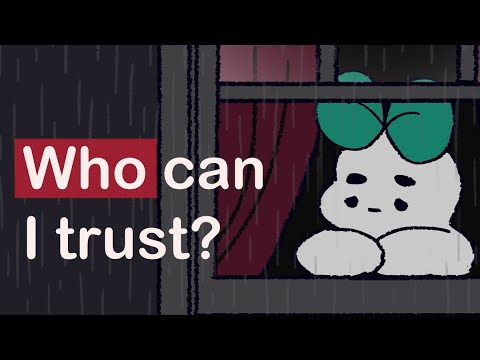
You know that feeling when you just can’t shake the idea that someone’s gonna let you down? Yeah, trust issues can be rough. They kinda sneak up on you, right? Like, one minute you’re chilling, and the next, you’re questioning everything—friends, partners, even family.
This blog provides content for informational, educational, and reflective purposes only. The information published here does not constitute medical, psychological, or psychiatric advice, and it does not replace the evaluation, diagnosis, treatment, or individualized guidance of a properly licensed professional. If you believe you may be experiencing a psychological or health-related issue, consult a qualified professional as soon as possible before making important decisions about your well-being. Do not self-medicate or start, stop, or change medications, therapies, or treatments on your own. While we aim to provide useful and accurate information, we do not guarantee that it is complete, current, or suitable for every situation. Your use of this content is at your own risk, and reading it does not create a professional, clinical, or therapeutic relationship with the author or this website.
Trust isn’t just a warm and fuzzy feeling; it’s complicated. And if you’ve got some trust issues, you’re definitely not alone. Turns out, they can come from all kinds of places. Childhood experiences, past betrayals—you name it.
So let’s chat about these different types of trust issues. Understanding them can help you figure things out a bit more. Like peeling back layers of an onion. Not the most fun analogy but stick with me!
Understanding the Different Types of Trust Issues: A Comprehensive Guide
Trust issues can seriously mess with your relationships, you know? They can pop up in all sorts of ways and really affect how you connect with others. Let’s break down the different types of trust issues so you can get a grip on what’s going on.
First off, there’s **generalized trust issues**. This is when you find it hard to trust people in general, not just one person. Maybe you had a tough childhood or some experiences that left scars. Like, if a close friend betrayed your confidence, it might make you view everyone else with suspicion. You start thinking, “Can I really trust anyone?”
Then we’ve got **specific trust issues**. This is more about individual relationships. Maybe you’ve been hurt by a partner before—like they cheated or lied—and now, every time someone new comes along, you’re like “Oh no! Here we go again!” It’s like your brain is stuck replaying that past betrayal, which kinda makes it hard to be open to new love.
Another type is called **fear of vulnerability**. It’s when you crave connection but are terrified of getting hurt again. You might hold people at arm’s length or have trouble sharing your feelings because opening up feels too risky. It’s kind of like wanting to swim but being terrified of the deep end.
There are also **trust issues stemming from abandonment**. If you’ve experienced significant loss or rejection—a parent leaving, for instance—your mind might always be bracing for the next heartbreak. You could be scared that folks will leave you if they see the real you or get too close—and that can make relationships feel super fragile.
Sometimes, people develop **mistrust due to projection**. This happens when someone suspects their partner has bad intentions because they themselves might have those feelings or behaviors bubbling under the surface. So if they’ve cheated before, they’re hyper-aware and paranoid about their partner doing the same thing.
Plus, there’s something called **self-trust issues**—yeah, this one’s super interesting! When you don’t even trust yourself to make good choices in relationships or judge character correctly, it creates this weird cycle of doubt and anxiety whenever you’re trying to connect with others.
You know what? Trust isn’t just about believing others; it starts within yourself too! If you’re always second-guessing your own judgment or worthiness for love and respect, that can lead to a whole mess in how you relate with others.
In short:
- Generalized Trust Issues: Hard to trust anyone.
- Specific Trust Issues: Hard to trust specific individuals due to past betrayals.
- Fear of Vulnerability: Craving connection while fearing emotional exposure.
- Abandonment Issues: Fearful due to past losses.
- Mistrust from Projection: Seeing traits in others you’ve struggled with yourself.
- Self-Trust Issues: Not trusting your own judgments and decisions.
So yeah! Understanding these different types helps spot where those pesky trust issues are coming from in your life—and maybe start working towards rebuilding those bridges toward healthier connections!
Understanding Trust Issues in Psychology: Causes, Effects, and Solutions
Trust issues, huh? They can mess with you more than you might think. Basically, trust issues happen when you find it hard to believe that people – friends, family, or even yourself – have your best interests at heart. Let’s break down what causes this, how it affects us, and what we can do about it.
Causes of Trust Issues
There are a bunch of reasons why someone might develop trust issues. Here’s a few:
- Past Trauma: If someone has been hurt, deceived, or betrayed in the past—like in a relationship that ended badly—they may carry that pain into new situations.
- Inconsistent Parenting: Growing up with parents who were unpredictable or emotionally unavailable can leave you questioning whether anyone will be reliable.
- Low Self-Esteem: Sometimes, if you don’t feel good about yourself, it’s easy to think others won’t either. When you doubt your worth, trusting others feels impossible.
- Slightly Jealous Friends: If your social circle is full of envy or competition, it can be tough to let your guard down and really connect with people.
Think about a time when someone let you down. Maybe a friend canceled plans last minute or shared something personal without asking first. That feeling sticks with you. It’s like dropping a glass—it shatters and leaves tiny pieces behind.
Effects of Trust Issues
Now let’s talk about how these trust issues play out in real life:
- Pushing People Away: You might find yourself avoiding relationships altogether to prevent getting hurt again.
- Anxiety and Stress: Constantly worrying about betrayal or disappointment can lead to serious anxiety. It’s draining!
- Lack of Intimacy: When you put up walls around your heart, it’s hard for anyone to get close. This can make romantic relationships particularly tough.
- Cynicism: You start seeing the world through a lens of doubt—thinking everyone has an ulterior motive—even those who genuinely care about you.
You’ve probably seen this in movies where characters refuse to let their partner in because they’re afraid of getting hurt again. Those stories hit home because they reflect real feelings many people experience.
Solutions for Trust Issues
So what do we do about trust issues? Here are some ideas:
- Acknowledge Your Feelings: Start by recognizing that these feelings exist and are valid; it’s okay not to trust immediately.
- Talk It Out: Whether with friends or a therapist, sharing your fears can help lighten the load and give perspective on your thoughts.
- Take Small Steps: Test the waters cautiously by opening up to people little by little instead of diving headfirst into vulnerability.
- Breathe and Reflect:Your responses may sometimes come from past experiences rather than present reality; take a moment before reacting!
You know how sometimes we see ourselves as our worst critics? Well, try flipping that narrative! Give yourself some grace when approaching new relationships.
In short, trust issues stem from different life experiences and feelings that shape how we connect with others. It’s tough breaking down those walls we’ve built up over time but taking those little steps toward trusting again is totally doable!
Understanding Trust Issues in Psychology: Examples and Types Explained
Trust issues can be super complicated, but they’re a big deal in psychology and can seriously affect your relationships and overall mood. Let’s break it down a bit.
Basically, trust is like that glue that holds relationships together. If it’s not there, well, things can get messy. Trust issues often come from past experiences. You know, like if someone let you down or betrayed you? Those feelings stick with you.
There are different kinds of trust issues people might face:
- Interpersonal Trust Issues: These crop up in your relationships with other people. Maybe you’re constantly worried your partner will cheat on you because of a past heartbreak. It could be a friend who ghosted you and now every new friend feels suspicious.
- Institutional Trust Issues: This happens when people lose faith in larger systems like the government, schools, or even organizations. Like when someone feels betrayed by a doctor who didn’t listen to their concerns or by an institution that failed to protect them.
- Self-Trust Issues: This is when you’re unsure about trusting yourself—your judgment and abilities. You might doubt your choices or believe you’re going to mess things up. It’s almost like second-guessing yourself all the time!
The impact of these trust issues can be pretty heavy-duty on mental health too. For instance, someone with interpersonal trust issues might have trouble forming close connections. They may feel really lonely but also scared of getting hurt again.
Sometimes these feelings surface as anxiety or even depression because if you don’t feel safe opening up to others, it can lead to isolation over time. This is where therapy often comes into play, helping folks unpack their experiences and rebuild that sense of safety.
A little story for ya: think of Sarah—a woman who’s been through her share of heartbreaks. Each breakup left her feeling more guarded than the last. Whenever she met someone new, her guard shot up instantly; she couldn’t shake the fear they’d hurt her too. Therapy helped Sarah uncover those old wounds and work on rebuilding her trust first in herself and then with others.
In short, trust issues kick up a lot of emotional dust. Understanding the different types is the first step toward dealing with them and moving toward healthier connections with yourself and others!
Trust issues are, like, more common than you’d think. They can creep into your relationships and mess with how you connect with others. I remember a friend of mine, Sarah. She had a hard time trusting her boyfriend, Joe. Even when he was totally open about his plans, she’d spiral into doubt, questioning if he really meant it or if he was hiding something. It wasn’t because Joe was untrustworthy; it was more about Sarah’s past experiences that made her heart all guarded.
So, when we talk about trust issues in psychology, you’ve got to consider the roots. There are usually a couple of types that pop up. First one? Insecure attachment styles. This happens when someone’s early relationships—think parents or caregivers—were inconsistent. Maybe they got warmth one day and were ignored the next. It leaves a mark.
Then there’s past trauma or betrayal that can lead to deep-seated fears. Imagine being hurt before; you might find yourself second-guessing everyone who tries to get close again. This is what can happen after a breakup or even friendships gone sour.
Moreover, some folks have general distrust in people due to their worldview shaped by experiences or societal influences. They may see the world as a dangerous place and avoid vulnerability altogether.
But here’s the thing: trust issues can vary from person to person and situation to situation—it’s not one size fits all! You might find yourself paranoid over small things while your buddy breezes through life without a care in the world.
Understanding these different types of trust issues means recognizing their impact on your relationships and how you view intimacy and connection. So if you find yourself feeling uneasy around someone close or just anxious about being let down again, it might be time to take a step back and look at why that is.
You know? It’s all about self-awareness and honesty with yourself—not only for your sanity but for healthier connections down the line too!