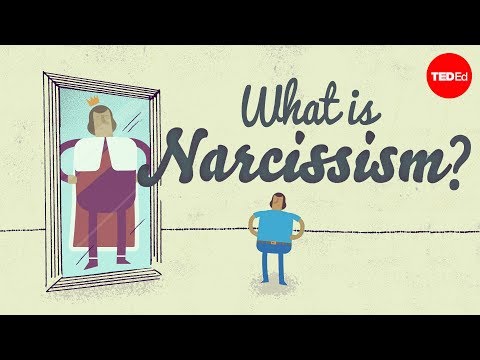
Hey, let’s chat about something we all see, but maybe don’t think about too much: vanity and narcissism. I mean, come on, we’ve all come across those people who seem a little too obsessed with themselves, right?
This blog provides content for informational, educational, and reflective purposes only. The information published here does not constitute medical, psychological, or psychiatric advice, and it does not replace the evaluation, diagnosis, treatment, or individualized guidance of a properly licensed professional. If you believe you may be experiencing a psychological or health-related issue, consult a qualified professional as soon as possible before making important decisions about your well-being. Do not self-medicate or start, stop, or change medications, therapies, or treatments on your own. While we aim to provide useful and accurate information, we do not guarantee that it is complete, current, or suitable for every situation. Your use of this content is at your own risk, and reading it does not create a professional, clinical, or therapeutic relationship with the author or this website.
You know the type—always checking their reflection or posting endless selfies. It can be funny sometimes, but it also makes you wonder what’s going on beneath that shiny surface.
So where does this obsession with self come from? Is it just ego? Or is there something deeper at play here? Let’s unpack the roots of vanity and narcissism together. I promise, it’ll be eye-opening!
Understanding DSM-5 Criteria for Narcissistic Personality Disorder: A Comprehensive Guide
Narcissistic Personality Disorder, or NPD for short, can sometimes feel like a mystery. You might know someone who seems excessively self-centered or boasts a lot. But what’s really going on? Understanding the DSM-5 criteria for NPD helps shed light on this complex personality disorder.
The DSM-5, which stands for the Diagnostic and Statistical Manual of Mental Disorders, is like the handbook for mental health professionals. It lays out specific criteria that need to be met for a diagnosis of NPD. So, if someone fits the bill, it’s not just about being vain or self-absorbed; there’s a deeper pattern at play.
Here are the key criteria you’ll find in the DSM-5:
- Grandiosity: This means having an inflated sense of self-importance. Picture someone who constantly talks about their achievements and expects others to recognize them as superior.
- Narcissistic fantasies: These folks often get lost in dreams of unlimited success or power. Imagine daydreaming about being famous but never focusing on anything else.
- A belief that they are special: They think they can only be understood by other special people. Think of someone who insists only celebrities can relate to their experiences.
- Demanding excessive admiration: Ever seen someone who can’t handle not being praised? Yeah, that’s part of it.
- Sense of entitlement: This is where things get tricky. Many believe they deserve special treatment or that others should cater to them without question.
- Lack of empathy: They really struggle to understand or care about others’ feelings. Imagine talking to someone who turns every conversation back to themselves without considering your feelings at all.
- Enviousness: There’s often jealousy involved—believing others are envious of them while they look down upon those they perceive as inferior.
- Arrogant behaviors: This could show up as snooty remarks or dismissive attitudes toward people they’re dealing with.
If you notice these traits consistently across different situations in someone’s life, we’re talking about potential NPD territory here! But remember: diagnosing isn’t just about checking off boxes from a list—it takes careful consideration from a qualified professional.
You might wonder how these traits develop, right? Sometimes it stems from early experiences—like excessive pampering or neglect during childhood. For instance, if a child grows up in an environment where they’re either overly praised or completely ignored based on their performance, this can lead to deep-seated issues around self-worth and connection with others later in life.
Narcissism isn’t just vanity; it often masks insecurities and fear of rejection. People with NPD might act big and bold but struggle internally with feelings of inadequacy. Crazy how that works! When you peel back the layers of arrogance and egocentrism, underlying vulnerabilities become clearer.
This whole area is pretty complicated and deserves understanding rather than judgment. Sometimes folks with these traits don’t even realize how their behavior affects their relationships—both personal and professional!
The bottom line here is that while many display narcissistic traits from time to time (hey, who doesn’t want compliments?), when these behaviors dominate someone’s personality consistently over time, we’re looking at Narcissistic Personality Disorder—a more serious issue requiring attention and care.
If you think you know someone like this or even see parts of yourself in these descriptions—it might be worth reflecting on how such traits affect your life experience or relationships. After all, understanding is the first step towards growth!
Identifying the Signs of a Male Narcissistic Sociopath: Key Traits and Behaviors to Recognize
Alright, so let’s get into it. Recognizing a male narcissistic sociopath can feel like trying to catch smoke with your bare hands. They’re often charming and manipulative, which makes spotting the signs tricky. But there are some key traits and behaviors you can look out for.
Narcissism is all about self-importance. Male narcissistic sociopaths often see themselves as superior to others. They crave admiration and validation. You might notice how they dominate conversations, often steering them back to their achievements or experiences.
- Grandiosity: These guys tend to have an inflated sense of self. You might hear them bragging about their skills or wealth, even if it’s exaggerated or flat-out lies.
- Lack of empathy: This is a big one. They struggle to understand or care about how others feel. Like, if someone shares a personal struggle, they might change the topic to their own problems without acknowledging the other person’s feelings.
- Manipulative behavior: They’re pros at using charm or guilt to get what they want. Imagine asking for help and suddenly feeling like you owe them something valuable just because they decided to assist you.
- Entitlement: A male narcissistic sociopath feels they deserve special treatment—often expecting others to cater to their needs while ignoring anyone else’s.
- Superficial relationships: Their connections with others are often shallow and transactional. If you notice that someone only reaches out when they want something, this could be a red flag.
Anecdote time: I once knew this guy who seemed super charming at first—a real social butterfly! Everyone loved hanging out with him because he was funny and engaging. But then I started noticing how he’d talk over others or change plans last minute if something better came up for him. It was like he only valued people based on what they could do for him, not who they were as individuals.
Narcissistic sociopaths can also switch from friendly to hostile really quickly if they’re challenged or don’t get their way. It’s like flipping a switch; one minute, they’re all smiles, and the next minute, they’re defensive or angry.
If you ever feel drained after talking with someone—like your emotions were sucked dry—that’s maybe intuition telling you something isn’t quite right here. Narcissistic sociopaths often leave others feeling exhausted or confused due to their emotional rollercoaster behavior.
The psychological roots? Well, these traits can stem from childhood experiences where excessive praise might lead someone to believe they’re better than everyone else—or even neglect that causes them not to develop proper emotional connections with others.
Catching onto these signs early on can shield you from deeper emotional entanglements that simply aren’t worth it. You don’t want to get too close unless you’re prepared for the whirlwind of drama that usually follows!
If any of this resonates with your experience—or raises some questions—don’t hesitate to chat with someone about it! Recognizing these traits early on is crucial for protecting yourself from unnecessary stress down the line.
Recognizing Narcissism: 12 Key Traits That Define a Narcissist
Narcissism can be one of those tricky things to spot. You might think someone is just confident, but there’s often more lurking under the surface. The thing is, narcissism isn’t just vanity; it’s a whole mindset. So, let’s break down some of the key traits that define a narcissist.
1. An exaggerated sense of self-importance
Narcissists really believe they’re special and unique. They think they deserve way more recognition than others and often talk about their achievements like they’re something out of a superhero movie.
2. A constant need for admiration
These individuals crave attention and validation from others. Picture a child who throws a tantrum unless they’re showered with praise – that’s basically them as adults.
3. A lack of empathy
Empathy is the ability to understand and share someone else’s feelings. Narcissists have a tough time doing this; they’re usually focused on themselves, leaving little room for other people’s emotions.
4. Exploitative behavior
They often take advantage of others to get what they want, whether it’s using friends for connections or belittling someone to feel superior.
5. Envious of others
Ever found someone who just can’t stand it when you succeed? Narcissists feel envious when others do well and might even believe that others are envious of them too.
6. Arrogant attitudes
You’ll often see them rolling their eyes at you or looking down on people who don’t share their views or achievements—like they’re on some higher pedestal.
7. Preoccupation with success and power
Many narcissists obsess over success, power, or beauty—not just in themselves but in everything around them, as if these are the only things that matter in life.
8. Attention-seeking behaviors
You know those people who always have to be the center of attention? That’s a classic trait! They might dominate conversations or make everything about themselves during talks.
9. Fragile self-esteem
Despite their boasting, deep down, many narcissists struggle with low self-esteem. They need all that external validation to keep their fragile ego afloat.
10. Intolerance toward criticism
Try giving constructive feedback to one of these folks—it can go south pretty quickly! Narcissists tend not to handle criticism well at all; it feels like an attack rather than helpful advice.
11. Fantasies about unlimited success
They may daydream about being famous or having endless power and wealth—kind of like building castles in the sky where they reign supreme without any difficulties whatsoever.
12. Relationships based on control
Their friendships or romantic relationships often feel one-sided; they’re more interested in what you can do for them than any real emotional connection.
Knowing these traits can seriously help you navigate relationships better—whether it’s with friends at work or family members who seem to take more than they give! Recognizing this stuff isn’t just useful for spotting problematic behaviors; it also helps you protect your own peace while dealing with these types people in your life.
You know, vanity and narcissism can be pretty confusing sometimes. Like, we all have a little bit of that self-love vibe, right? But when does it cross the line into something that feels more like an obsession? Seriously, there’s a lot more going on in our heads than just wanting to look good or be admired.
I remember this one time I met a friend’s cousin at a party. She was super stunning and totally charming. But as the night went on, she kept taking selfies, constantly checking how many likes her latest post got. It was like watching someone in their own little bubble. At first, I thought it was funny and cute—who doesn’t love a good selfie moment? But then, I noticed how she interacted. If someone else got compliments or attention, she’d instantly shift the conversation back to herself. It felt kind of sad in a way, like she needed that validation to feel okay.
Vanity usually springs from wanting affirmation about our looks or achievements but doesn’t always hurt anyone. Narcissism is where things get trickier—it can lead you to disregard others’ feelings entirely.
In psychology, experts often talk about how these traits can form from early experiences. Maybe someone grew up feeling inadequate or overlooked at home? Or perhaps they were overly praised for their looks or accomplishments without much depth to their character? That kind of thing can twist how you view yourself and others around you.
It’s not all black and white either; sometimes vanity hides deeper insecurities beneath the surface. Everyone wants to be seen and appreciated; that’s completely human! But if your self-worth hinges solely on external validation—like those likes on social media—that’s when it gets sketchy.
So yeah, while we all appreciate some self-admiration every now and then, finding balance seems crucial. You want to feel good about yourself without stepping on others’ toes—or living in isolation because your world revolves around your reflection!