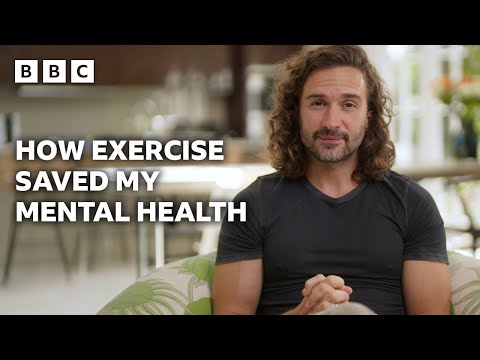
You know that feeling when you’re just kinda down, and then you go for a walk? Suddenly, everything feels a bit lighter.
This blog provides content for informational, educational, and reflective purposes only. The information published here does not constitute medical, psychological, or psychiatric advice, and it does not replace the evaluation, diagnosis, treatment, or individualized guidance of a properly licensed professional. If you believe you may be experiencing a psychological or health-related issue, consult a qualified professional as soon as possible before making important decisions about your well-being. Do not self-medicate or start, stop, or change medications, therapies, or treatments on your own. While we aim to provide useful and accurate information, we do not guarantee that it is complete, current, or suitable for every situation. Your use of this content is at your own risk, and reading it does not create a professional, clinical, or therapeutic relationship with the author or this website.
It’s wild how moving your body can really shift your mood. Like, who knew a little sweat could do so much?
Exercise isn’t just about getting fit or losing weight. It’s actually got some serious perks for your mind too.
Let’s chat about how pumping iron or taking that brisk stroll can make you feel like a million bucks mentally. Trust me; it’s more than just a workout!
Boost Your Mental Well-Being: The Powerful Impact of Exercise on Mental Health
Hey, let’s talk about something that might just blow your mind: the connection between exercise and mental health. You ever feel that boost after running or just taking a brisk walk? Yeah, it’s real.
See, exercise does wonders for your brain! You might think it’s all about the physical benefits—losing weight, building muscles—but there’s more beneath the surface. Basically, when you work out, your body releases these kickass chemicals called endorphins. They’re like nature’s painkillers and mood elevators. It’s like getting a natural high!
- Stress Relief: Ever get overwhelmed with everything going on? Exercise can help reduce stress levels significantly. It’s a great distraction; you focus on your breathing and movements instead of those pesky worries.
- Anxiety Reduction: You know those days when anxiety feels like it has you in a chokehold? Well, getting some physical activity can help take the edge off. Studies show regular exercise can lessen feelings of anxiety over time.
- Boosts Self-Esteem: Picture this: you set out to run a mile and crush it! That tiny victory feels good, right? Accomplishing fitness goals—no matter how small—can seriously pump up your confidence.
- Improves Sleep: Remember that feeling of tossing and turning? Regular exercise can help regulate sleep patterns. A good night’s rest is crucial for mental clarity and emotional health!
- Combatting Depression: Exercise isn’t a cure-all, but it’s been shown to be effective in reducing symptoms of depression. Some people even say it’s helped them manage their condition better than meds alone—talk about power!
The thing is, you don’t need to turn into a gym rat overnight. Even simple things count! Walking around your neighborhood or dancing in your living room can get those good vibes flowing too. It doesn’t have to be complicated; just find what works for you.
I remember this one time when my friend was feeling really down. She decided to join a community yoga class just to try something new. Honestly? It was life-changing for her! Not only did she meet awesome folks with similar struggles, but she also found this sense of calm and clarity she hadn’t felt in months.
In short, incorporating exercise into your daily routine could be one of the best gifts you give yourself—and it really doesn’t have to look perfect or fancy. Just move your body in ways that feel good. So go ahead! Put on those sneakers and get moving; your mind will thank you later!
Understanding the 3 3 3 Rule: Boost Your Mental Health Through Exercise
The 3 3 3 Rule is a neat little trick you can use to boost your mental health through exercise. It’s simple and pretty easy to remember! Basically, it encourages you to do three types of activities, three times a week, for three minutes at a time. Sounds doable, right? Let’s break it down a bit more.
First off, why exercise? Well, it has some serious perks when it comes to mental well-being. You know that feeling after a good workout? Your mood lifts up, stress melts away, and you just feel… lighter. The thing is, regular exercise promotes the release of feel-good chemicals in your brain, like endorphins and serotonin. These guys can help reduce anxiety and depression—who doesn’t want that?
Now let’s talk about the three components of the 3 3 3 Rule:
- Aerobic activity: This is anything that gets your heart pumping. Think jogging or dancing! Aim for three times a week. It doesn’t have to be long—three minutes of jumping jacks can count!
- Strength training: This might be lifting weights or doing bodyweight exercises like push-ups or squats. Again, you’re looking at three times a week. Just a few minutes can make a difference.
- Mindful movement: This includes stretching or yoga. It’s all about connecting your body and mind. Three minutes here can help ground you amid the chaos of daily life.
When I was deep into stress from work deadlines, I started using this rule without even realizing it! I’d do quick sets of squats while my coffee brewed in the morning, jog in place during breaks at work (looking super silly but who cares?), and unwind with some gentle yoga before bed. Those simple actions transformed my mindset more than I expected!
Remember, consistency is key. It’s not about perfection; it’s about making those tiny shifts regularly. If you’re feeling overwhelmed by life—even just squeezing in those mini-exercises can momentarily lift your spirits.
You don’t need fancy equipment or memberships either—just use your body! No excuses here! The beauty of this rule is its flexibility; you can mix things up based on what feels good on any given day.
Understanding the Emotional Release: Why Crying After a Workout is Normal
You’ve probably noticed it before—you finish a tough workout, and suddenly, the tears start flowing. It might feel weird, but honestly, crying after exercise is totally normal. So let’s break down why this happens and how it connects to your mental well-being.
First off, exercise releases a whole bunch of chemicals in your body. We’re talking about endorphins mainly, which are like little mood-boosters. But here’s the thing: physical activity can stir up a lot of emotions that you might’ve been holding back. When you sweat it out, stuff gets released—not just physically but emotionally too.
Now, let’s get into specifics for a sec. You might have experienced something stressful leading up to your workout—maybe a tough day at work or a personal issue weighing on you. When you’re exercising, all that pent-up stress can bubble up to the surface once you push through your limits. This is where emotional release comes in.
You see, when we exert ourselves physically, our bodies go through this intense experience—like running that last mile or pushing through another set at the gym. It can be both exhilarating and exhausting. Afterward, when your body starts to cool down and relaxes, those feelings you’ve been carrying around may just come pouring out as tears.
Also, crying isn’t just about sadness—it can be about feeling so many things: relief from stress, joy from accomplishing something you thought was too hard or catching sight of yourself in the mirror looking stronger than ever. Emotions are complex and layered. So when you’re drenched in sweat and finally stop pushing yourself? Well, sometimes those layers peel off like an onion.
Let’s not forget the social aspect either. If you’re working out with friends or in a class setting and feel a shared sense of accomplishment or camaraderie? Sometimes that collective energy can bring emotions to surface even more strongly.
Here are some key points to consider regarding why crying after working out is totally natural:
- Endorphin release: A rush of endorphins from exercise can trigger deep emotions.
- Pent-up feelings: Exercise can shake loose feelings you’ve been holding onto.
- Cathartic experience: Sweating it out leads to emotional release and relief.
- Sweat leads clarity: Physical exhaustion often leads to emotional clarity.
So next time you find yourself tearing up after crushing that workout? Just know it’s okay—you’re not alone in this! It’s part of being human; it means you’re connecting with your emotions on some level. Embrace those moments; they might just help you feel more balanced in every part of life!
You know, when you think about exercise, the first thing that usually comes to mind is getting fit or losing weight. But, seriously, there’s so much more going on under the surface. Exercise can be a real game-changer for your mental well-being. It’s like a magic potion for your mood!
I remember a time when I was feeling pretty low. Everything just felt heavy, and I didn’t really want to do much of anything. It was one of those days when even getting out of bed felt like an Olympic sport. But one day, I decided to throw on my sneakers and go for a jog around the block—just a short one. And wow! I came back feeling a bit lighter, like someone had lifted a weight off my shoulders. It’s wild how just moving your body can shift your perspective.
What happens is exercise gets those feel-good chemicals flowing—endorphins, serotonin—all that good stuff that makes you feel happy or at least less grumpy. Even just a brisk walk can help clear your mind and ease anxiety. The repetitive nature of exercise lets you zone out; it’s almost meditative in a way.
And then there’s the whole community aspect of it, too! Joining a class or hitting up the gym can connect you with others who are on their own journeys. It feels good to share those experiences and even have some fun while sweating it out together.
Look, I’m not saying exercise is going to fix everything— it’s not some miracle cure—but it definitely plays its part in enhancing mental health. Whether it’s lifting weights or taking yoga classes or simply dancing in your living room like nobody’s watching! Just find what works for you and get moving; your mind will thank you later!