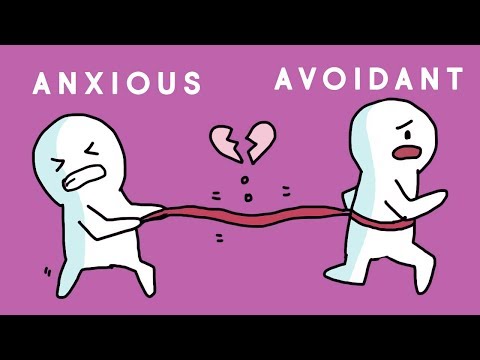
So, let’s talk about attachment styles. You know, how some people seem totally chill in relationships, while others freak out over the smallest things? Yeah, it’s a real thing.
This blog provides content for informational, educational, and reflective purposes only. The information published here does not constitute medical, psychological, or psychiatric advice, and it does not replace the evaluation, diagnosis, treatment, or individualized guidance of a properly licensed professional. If you believe you may be experiencing a psychological or health-related issue, consult a qualified professional as soon as possible before making important decisions about your well-being. Do not self-medicate or start, stop, or change medications, therapies, or treatments on your own. While we aim to provide useful and accurate information, we do not guarantee that it is complete, current, or suitable for every situation. Your use of this content is at your own risk, and reading it does not create a professional, clinical, or therapeutic relationship with the author or this website.
You might’ve heard about those famous attachment styles—secure, anxious, avoidant. They can really shape how you connect with others and even how you feel about yourself. It’s kinda wild when you think about it.
Ever notice how your past might sneak into your present? Like, maybe you’re always waiting for the other shoe to drop? Or just can’t let anyone in too close? That’s what we’re diving into here!
Our attachment style can play a huge role in our emotional wellbeing. If you want to better understand yourself and your relationships—keep reading!
Discover Your Attachment Style: Take the Ultimate Test for Better Relationships
The thing about attachment styles is that they can really shape how we connect with others. It’s like we’re playing out old patterns from childhood in our adult relationships. You know, those learned behaviors about love and trust? They stick with us.
So, let’s break this down a bit. There are four main attachment styles:
- Secure: People with this style tend to have healthy, balanced relationships. They feel comfortable with intimacy and are usually trustworthy.
- Anxious: Those who fall into this category often worry about their partner’s love and commitment. They’ll seek reassurance and might come off as clingy sometimes.
- Avoidant: If someone has an avoidant attachment style, they might struggle to get close to others. They often value independence over intimacy, which can lead to emotional distance.
- Disorganized: This style can be a mix of anxious and avoidant behaviors. People here might feel confused or fearful about relationships because of inconsistent experiences in the past.
Here’s where it gets personal. Think about your own experiences in relationships—do you find yourself constantly seeking validation? Or maybe you push people away when things start getting serious? That reflects your attachment style playing out.
Taking a test to discover your attachment style can seriously help you understand your relationship dynamics better. It’s like holding up a mirror to your emotional habits. Once you know where you stand, you can start addressing patterns that no longer serve you.
For instance, if you’re anxious, recognizing that can encourage you to work on self-esteem and foster independence before jumping into another relationship. If you’re avoidant, it might be helpful to explore why intimacy feels so daunting for you.
Seriously though, knowing your attachment style is a game changer for emotional well-being! It helps build healthier connections with friends, family, or partners by fostering awareness of your needs and the needs of others.
And here’s the kicker: we all have the power to change at any point in our lives. While these styles stem from early experiences (like how caregivers treated us), understanding them lets us break free from old habits.
So if you’re feeling stuck or frustrated in relationships, consider taking that test! It could set off a chain reaction of insight and growth for better connections in your life going forward.
Understanding Disorganized Attachment Style: Key Insights for Healthy Relationships
Disorganized attachment style can feel really convoluted, not just for the person who has it, but also for their partners and friends. It’s like being stuck in a whirlwind of emotions where things don’t always make sense. If you find yourself confused in your relationships, maybe this hits home.
So, what’s the deal with disorganized attachment? Basically, it often stems from early childhood experiences. Picture a child who receives love and care from their parents but also encounters unpredictability or fear. One moment they might be hugged tightly after a scary event, and the next moment they’re being yelled at or ignored. This leaves them unsure about whether to seek comfort or pull away. You see that duality? It leads to confusion in adult relationships too.
People with disorganized attachment often struggle with two conflicting needs: they want closeness but also fear it at the same time. It’s serious mixed signals! You could be reaching out for affection one minute and then pushing someone away the next. This behavior might confuse your partner—like when they try to offer support, but you react as if they’re a threat.
There are key characteristics you might notice if you or someone close to you has this attachment style:
- Emotional Instability: Fluctuating between wanting to be loved and feeling terrified of vulnerability.
- Intense Reactions: Experiencing overwhelming emotions that seem disproportionate to situations.
- Avoidance: Feeling uncomfortable with intimacy yet craving connection—a real tug-of-war!
- Difficulty Trusting: Often finding it hard to trust people around them or even themselves.
You know how when things get stormy outside, you just want some shelter? Well, that’s how someone with disorganized attachment feels about relationships—they want stability but often end up feeling lost instead of safe.
Here’s a little story: Imagine Sarah, who grew up in an unpredictable household. Some days her parents showered her with love; other days were marked by anger and chaos. Fast forward to her adult life—she’s found herself in a loving relationship but is constantly on edge. One minute she’ll cozy up on the couch; the next minute she pulls away as if her partner is suddenly unsafe. Sounds exhausting, doesn’t it?
But here’s where things can turn around! Recognizing these patterns is super important for growth and emotional wellbeing. Here are some insights that can help foster healthier relationships:
- Acknowledge Feelings: Start by being aware of your emotional states—it’s like checking in with yourself before reacting.
- Communicate Openly: Sharing your fears can help a partner understand your perspective better.
- Seek Therapy: Talking to a mental health professional can provide tools for coping and developing secure attachments.
- Pace Yourself: Take gradual steps toward building trust—don’t rush into deep intimacy too quickly.
Seeing these strategies at work can shift everything for someone dealing with disorganized attachment style. You start creating a safe space—not just for yourself but also for those around you.
In summary, understanding disorganized attachment opens doors to healthier connections and emotional stability. You don’t have to navigate this alone; there are paths towards developing stronger relationships where both safety and love coexist harmoniously.
Understanding Attachment Styles: A Guide to Your Relationships and Emotional Well-Being
Understanding attachment styles can really help you navigate your relationships and boost your emotional well-being. You might not realize it, but how you connect with others often stems from those early experiences with caregivers. So, let’s break it down.
Attachment Styles Overview
There are four primary attachment styles: secure, anxious, avoidant, and disorganized. Each one shapes how we relate to people in our lives.
- Secure Attachment: This is the gold standard! People with a secure attachment style feel comfortable with intimacy and are good at balancing closeness and independence. They tend to have healthy relationships.
- Anxious Attachment: Here’s the kicker—folks with this style often worry about their partner’s love and commitment. They may come off as clingy or overly needy because they’re constantly seeking reassurance.
- Avoidant Attachment: If you identify with this one, you probably value your independence to a fault. You might keep people at arm’s length because vulnerability feels scary or overwhelming.
- Disorganized Attachment: This style is like a mix of anxious and avoidant traits. It often arises from trauma or inconsistent caregiving during childhood. Relationships can be chaotic and confusing for those who experience disorganized attachment.
The Roots of Attachment Styles
So, where do these styles come from? It all starts in childhood! Think about how your caregivers responded to your needs growing up. Were they there when you needed them? Did they soothe you when you were upset? These early experiences pretty much set the blueprint for how you’ll show up in relationships later on.
For example, if your parents were consistently loving and responsive, you’re likely to develop a secure attachment style. But if they were unpredictable or neglectful? Well, that could lead to anxiety or avoidance later in life.
This Affects Your Relationships
Your attachment style can really shape how you connect with partners, friends, or even coworkers. For instance:
- If you’re securely attached, you’re probably good at communicating your feelings without fear of rejection.
- Anxiously attached folks might find themselves overthinking texts or feeling sad when their partner doesn’t reply right away.
- Avoidantly attached individuals may struggle to open up during conflicts or shy away from deep conversations altogether.
- Disorganized types can find themselves caught in a cycle of wanting closeness but pushing others away due to fear of vulnerability.
Why It Matters for Emotional Well-Being
Understanding your own attachment style isn’t just academic; it’s super practical! When you know why you react the way you do in relationships, it opens the door to healing and growth.
For instance, let’s say you’ve noticed that every time someone gets close, you start feeling anxious—like you’re going down this rabbit hole of “What if they leave me?” Embracing the fact that this anxiety might stem from an anxious attachment style can empower you to work on strategies for reassurance—like communicating openly with partners instead of hiding behind those fears.
Think about that moment when a friend reaches out after a tough day—if you’re securely attached, that’s like fuel for your emotional tank! But if you’re struggling with anxiety or avoidance? That connection might feel harder than it should be.
Oh—and if you’re considering therapy? It can be super helpful for unpacking these issues further! A good therapist will help guide you through understanding your patterns and eventually making healthier choices in relationships.
All said and done? Learning about attachment styles gives you tools for better emotional health and helps foster stronger connections with others. So take some time; reflect on yours—it could change everything for the better!
So, attachment styles, huh? It’s one of those things that really shapes how you connect with others and, honestly, how you feel about yourself. Imagine your first relationships—like with your parents or caregivers. Those early experiences? They stick with you throughout life. It’s wild to think about how a little baby can grow into an adult carrying the weight of those early connections.
You’ve probably heard about the four main types: secure, anxious, avoidant, and disorganized. Secure folks usually have a pretty solid foundation. They trust easily and can form healthy relationships without too much drama. Lucky them! But then you have people who grew up feeling like they had to cling to others just to get a bit of love – that’s the anxious type. You know, it can feel exhausting for them; they often worry too much about whether their partner is going to leave them or not.
Now let’s talk about the avoidant types. These are the ones who tend to keep people at arm’s length. I once had a friend who was like this—he loved his freedom and would always say he didn’t need anyone. But you could tell there was something deeper going on there; he was afraid of getting too close because he associated intimacy with pain. It’s kind of heartbreaking when you think about it.
And then there’s disorganized attachment – that’s a real mix bag. People with this style might have experienced chaotic environments growing up, leading to confusion in their adult relationships.
Here’s where it gets interesting: your attachment style impacts your emotional wellbeing big time! If you’re secure, chances are you’re feeling pretty good about life and love right now; confidence levels are high! But for those with anxious or avoidant styles? Man, navigating emotions and relationships can feel like walking through a minefield—you never know what’s gonna blow up in your face.
I remember chatting with another friend who struggled with her anxious attachment style during her last relationship. She’d get super worked up if her boyfriend didn’t text back within an hour; it turned into this spiral of anxiety for her—she felt unworthy every time she thought he wasn’t into her anymore.
Recognizing these patterns is hugely important though—it’s like turning on the lights in a dark room full of furniture you keep tripping over! Once you see what’s really happening in your emotional world, it becomes easier to change things up if needed.
But here’s the cool part: awareness is just one step on this journey towards better emotional health! Therapy can be super helpful for unpacking these styles and finding ways to foster healthier attachments moving forward.
So yeah, understanding attachment styles isn’t just an exercise in psychology; it’s genuinely about enhancing emotional wellbeing and building fulfilling relationships that don’t leave us feeling drained or insecure all the time. Pretty powerful stuff when you think about it!