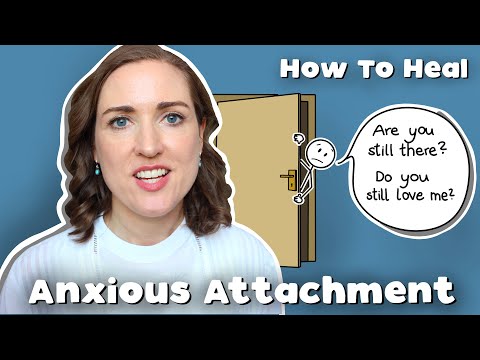
You know that feeling when you just can’t shake off the worry? Like, every little thing your partner does sends you into a spiral? Yeah, that’s a classic sign of anxious attachment.
This blog provides content for informational, educational, and reflective purposes only. The information published here does not constitute medical, psychological, or psychiatric advice, and it does not replace the evaluation, diagnosis, treatment, or individualized guidance of a properly licensed professional. If you believe you may be experiencing a psychological or health-related issue, consult a qualified professional as soon as possible before making important decisions about your well-being. Do not self-medicate or start, stop, or change medications, therapies, or treatments on your own. While we aim to provide useful and accurate information, we do not guarantee that it is complete, current, or suitable for every situation. Your use of this content is at your own risk, and reading it does not create a professional, clinical, or therapeutic relationship with the author or this website.
It’s not just you. A ton of people struggle with this, and it can really mess with your relationships. Seriously. You end up second-guessing everything. It’s exhausting!
But here’s the thing: understanding it is the first step to healing. And trust me, it’s totally doable! Imagine feeling more secure in your relationships and less like a ball of nerves.
So let’s chat about how to tackle this anxious attachment stuff together, shall we? You’ve got this!
Overcoming Anxious Attachment: Essential Strategies for Healthier Relationships
Overcoming anxious attachment can feel like climbing a mountain. But it’s totally possible — and it can change your relationships for the better. Basically, when you have this attachment style, you might find yourself worrying about your partner’s feelings or fear they’ll leave you. You know what I mean? It can turn into a cycle of anxiety that makes it hard to connect in a healthy way.
Recognizing your patterns is the first step. Think about how you react when things get tough in a relationship. Do you cling tightly or freak out? Knowing these habits helps you create changes. It’s like shining a light on dark corners; it makes it easier to see where you need to go.
Next up, communication is key. When you’re feeling anxious, it’s easy to hide those feelings or lash out in frustration. Instead, talk things out with your partner! Share what you’re experiencing without blaming them. For example, if you’re feeling insecure about their love, say something like, “Hey, I’m feeling a bit shaky today.” Opening up creates closeness and lets your partner in on your world.
Another great strategy is developing self-soothing techniques. When anxiety strikes, what do you do? Maybe take some deep breaths or listen to music that calms you down. Finding ways to comfort yourself can build resilience over time so that when you’re triggered, instead of spiraling out of control, you’ll have tools at hand.
Also consider setting healthy boundaries. People with anxious attachment often struggle with boundaries. They might feel guilty saying no or worry about being abandoned if they express their needs! But boundaries are crucial for a healthy connection. Start small—like deciding how much time alone feels good for you—and practice communicating those limits.
And let’s not forget practicing mindfulness. This means keeping yourself grounded and aware of the present moment rather than getting lost in worries about the future or ruminating on past experiences. Techniques like meditation or journaling can help clear anxiety away and make space for more positive thoughts.
Lastly, remember that seeking professional support can be super helpful too! Therapists who understand attachment styles can guide you through understanding your feelings better and provide coping strategies tailored just for you.
We’re all learning as we go along — relationships are complicated! By taking small steps toward healing and understanding your anxious attachment style, healthier relationships are within reach.
When Two Anxiously Attached People Date: Understanding Compatibility in Relationships
When two people with anxious attachment styles start dating, it’s kind of like putting two puzzle pieces together that each have rough edges. There’s a lot of potential for connection, but there can also be some serious bumps along the way.
Anxious attachment usually means you’re pretty sensitive to your partner’s feelings and actions. You might find yourself constantly worried about their love for you or if they’ll leave you. So, having two partners with this style can feel intense. You both want reassurance, but those needs can sometimes clash instead of harmonize.
- Diving into emotions: Both partners may feel overwhelmed by their own feelings and also the other person’s emotions. This creates a cycle where both are seeking to feel secure but might end up triggering each other’s fears.
- Constant need for validation: It’s like both are holding out cups waiting to be filled with love and reassurance from each other. But if one person isn’t feeling secure themselves, it’s hard to fill the other person’s cup.
- Communication breakdowns: Misunderstandings are easy when both partners are hyper-focused on potential threats to the relationship. One might misinterpret the other’s need for space as disinterest.
- The push-pull dynamic: Sometimes one partner may want more closeness while the other feels overwhelmed and pushes back, leading to further anxiety and feelings of rejection.
Here’s an example to illustrate this: Imagine Sarah and Jake, both anxious attachers, who start dating after a whirlwind romance. Sarah often texts Jake during his work hours asking if he still finds her attractive. She worries he might be distracted by someone else at work. Jake feels bombarded and unsure how to reassure her without feeling smothered himself.
So what happens next? Well, this cycle can lead Sarah to doubt Jake’s commitment every time he takes a little longer to reply or seems distracted—even if he’s just busy! It becomes a feedback loop of anxiety that neither person can escape easily.
But here’s the good news: it is possible for two anxiously attached individuals to make it work! The key is learning how to communicate openly about those fears instead of letting them simmer under the surface.
- Open dialogue: Sharing your insecurities can help build understanding instead of resentment.
- Setting boundaries: Knowing when one partner needs space doesn’t mean they don’t care; it’s just part of managing anxiety.
- Practicing patience: Recognizing that healing from anxious attachment takes time—and so does building trust—means giving each other grace throughout the process.
In essence, compatibility doesn’t come from having identical attachment styles but from mutual understanding and support in your emotional journeys together. As you work through these challenges hand-in-hand, you could create a stronger bond than either one could achieve alone!
So hey, being aware of these dynamics is essential in navigating this complicated yet rewarding relationship terrain. Acknowledging your emotional needs while also being open about them is like turning on a light in what feels like a dark room—you’ll find your way together!
Understanding Anxious Attachment: Its Impact on Relationships and Emotional Triggers
Anxious attachment can really shake up your relationships. It often stems from how we were cared for as kids. If you felt a lot of inconsistency—like your caregiver was sometimes present and other times distant—you might’ve developed an anxious attachment style. This means you often find yourself feeling unsure about the stability of your connections with others.
People with anxious attachment tend to crave closeness, but that need can feel overwhelming at times. You might find yourself constantly worrying if someone loves you enough or if they’ll leave you for someone else. These thoughts can spiral quickly, leading to feelings of anxiety and self-doubt.
Emotional triggers play a huge role too. For instance, small things like a partner being busy or not texting back right away can trigger intense feelings of fear or abandonment. You may react strongly, even if the other person is just caught up in their life. This emotional rollercoaster is exhausting for everyone involved.
In relationships, this attachment style can cause tension. When you worry excessively about your partner’s feelings toward you, it might lead to clinginess or even jealousy. You know that moment when someone seems distracted and your mind starts racing? Well, that’s classic anxious attachment doing its thing.
Healing from this style takes time and effort but totally possible! Building self-awareness is key here. Understanding your triggers can help you respond more calmly when those feelings pop up instead of reacting impulsively.
It’s also important to practice open communication with partners about how you’re feeling and what you need from them. Seriously! Just telling them “Hey, I’m feeling insecure right now” can ease a lot of tension.
Lastly, consider seeking support—like therapy—to work through these emotions in a safe space. A therapist can guide you through understanding where these feelings come from and help you develop strategies to build healthier relationships over time.
So yeah, managing anxious attachment isn’t just about fixing yourself; it’s about fostering healthier connections that let love grow without so much worry hanging over it!
You know, trying to navigate relationships with an anxious attachment style can feel like walking on eggshells. I remember talking to a friend about it once. They shared how they constantly worried their partner might leave them, even when everything was going smoothly. Panic would set in over the tiniest little things, like if their partner didn’t text back right away. It’s exhausting, really.
Anxious attachment stems from experiences in childhood where you might not have had consistent emotional support. It’s like being wired to crave closeness but also fearing rejection at the same time. That push-pull can be maddening! You’ve got this inner voice screaming for intimacy while another part of you is convinced that every little misstep could lead to heartbreak.
But here’s the thing: knowing that you have this attachment style is the first big step toward change. Recognizing those patterns can really help in understanding your reactions in relationships. Basically, it’s about learning to breathe through those anxious moments instead of letting them dictate how you respond.
Healing isn’t a straight line; it’s more like a winding road with a few bumps here and there. It might involve some therapy or self-help strategies—like practicing mindfulness or journaling your feelings. Seriously, writing things out can help sort through all that emotional chaos.
And let’s not forget communication! Being open with your partner about what you’re feeling can make a world of difference. If they understand where you’re coming from, they might be more patient and reassuring when you’re in those spirals of anxiety.
Ultimately, working through anxious attachment is all about building trust—both in yourself and your relationship. With time and effort, you start feeling safer and more secure. And just imagine how refreshing it must be to not constantly worry about being abandoned! That sense of relief? It’s totally worth it for deeper connections and healthier relationships overall.