You know those days when your mind just feels like it’s running a marathon? Seriously, it’s exhausting. You’re not alone in that.
This blog provides content for informational, educational, and reflective purposes only. The information published here does not constitute medical, psychological, or psychiatric advice, and it does not replace the evaluation, diagnosis, treatment, or individualized guidance of a properly licensed professional. If you believe you may be experiencing a psychological or health-related issue, consult a qualified professional as soon as possible before making important decisions about your well-being. Do not self-medicate or start, stop, or change medications, therapies, or treatments on your own. While we aim to provide useful and accurate information, we do not guarantee that it is complete, current, or suitable for every situation. Your use of this content is at your own risk, and reading it does not create a professional, clinical, or therapeutic relationship with the author or this website.
Sometimes, we need a little help to calm the chaos swirling around in our heads. Like, what if I told you there’s a simple breathing technique that could bring you some peace? It’s called ACBT, and it’s all about finding your chill.
Imagine feeling steadier, more grounded, even when life throws curveballs your way. Sounds pretty awesome, right? Buckle up; we’re diving into how this breathing thing can totally change the game for you!
Mastering the ACBT Technique: A Step-by-Step Guide to Improve Your Mental Health
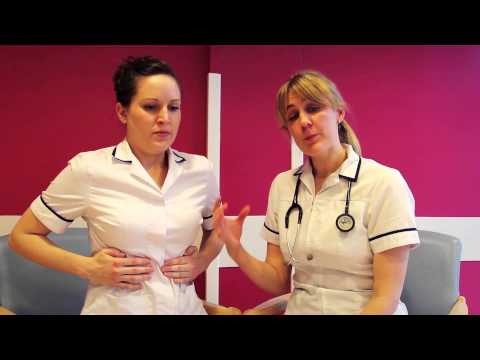
So, let’s chat about the ACBT technique—specifically, that breathing thing called ACBT which stands for «Active Cycle of Breathing Technique.» It’s actually pretty cool because it can really help improve your mental wellness. Here’s how it goes down.
First up, what is ACBT? Well, it’s a method designed not just for physical breathing but also to help manage those pesky thoughts and feelings. You know when you start feeling anxious? Your breathing tends to become shallow. This technique aims to correct that by guiding you through a cycle of breaths that feels more natural and calming.
Step 1: Find a comfy position. Seriously, you don’t want to be fidgeting around. Sit or lie down in a space where you feel safe and at ease. It could be your couch, bed, or even a quiet park bench. Just make sure you can relax.
Step 2: Focus on your breath. Start by taking a few slow, deep breaths in through your nose and out through your mouth. Are you feeling any tension? It helps to close your eyes or softly gaze at something soothing while doing this. The key here is just to let everything else fade away for a moment.
Step 3: Active cycles. Now comes the fun part! Inhale deeply for about four seconds—hold it for two—and then exhale slowly for six seconds. You want to feel the breath filling up your belly like a balloon. And when you exhale? Picture all that stress just floating away into the air.
A little example here: Think of my buddy Sarah who used ACBT before her big presentations at work. She’d get super anxious and start sweating buckets! But after practicing this technique regularly, she learned to focus on her breath instead of her nerves. It totally changed her game—you know?
Step 4: Recovery phases. After doing those cycles, take some time just to breathe normally again and see how you’re feeling physically and mentally afterward. That’s important! Gaining awareness of how calmness feels can help reinforce these positive vibes during tough times later on.
Another neat part is being able to adapt this technique anywhere! Seriously; if you’re stuck in traffic or waiting in line somewhere stressful, imagine you’re floating in that calming bubble while following these steps.
Now remember: practice makes perfect! You’re not gonna nail it overnight but give yourself some grace as you get used to it; it’ll all click eventually!
In summary, using the ACBT technique isn’t rocket science—it’s more about creating those little moments of peace amid life’s chaos. So next time anxiety hits hard? Just breathe—it might be just what you need!
Mastering the 4-7-8 Breathing Technique: A Simple Guide to Reducing Stress and Anxiety
Okay, let’s talk about the 4-7-8 breathing technique. You might have heard about it as a way to chill out when life gets a bit overwhelming. Seriously, it’s one of those skills that can help you manage stress and anxiety pretty effectively. The thing is, it’s super simple to do and doesn’t require any special equipment. You just need yourself, some time, and a quiet spot.
First off, what’s the deal with this technique? Basically, it involves breathing in for four seconds, holding that breath for seven seconds, and then exhaling slowly for eight seconds. Think of your breath as a wave—it comes in and goes out. Here’s how to master it:
1. Find Your Space
Look for a quiet spot where you can sit or lie down comfortably. You want to feel at ease without distractions.
2. Get Comfortable
Sit up straight or lie down—whatever feels best to you. Just make sure that your position isn’t too snug; you want to be relaxed.
3. Start Breathing
Take a deep breath in through your nose for four seconds (1, 2, 3, 4). Fill those lungs!
4. Hold It
Now hold that breath for seven seconds (1-2-3-4-5-6-7). It might feel weird at first, but just let your mind chill during this pause.
5. Exhale Slowly
Now let it all out through your mouth over eight seconds (1-2-3-4-5-6-7-8). Really think about releasing all that tension.
Maybe you’re thinking this sounds too easy? But here’s the thing—it’s effective! When I first tried it after feeling super anxious at work one day, I found that just focusing on my breathing made everything feel less heavy.
This technique can help activate what we call the parasympathetic nervous system—basically, that’s your body’s way of saying “chill out.” It counters stress responses which often have you feeling more anxious or wound up than ever.
If you practice this consistently—like every day—you’ll likely notice some cool changes in how you handle stressors over time. In fact:
- You’ll sleep better.
- Your focus might improve.
- You could feel more calm during stressful moments.
!
So why not give it a shot? All it takes is a few minutes here and there to help equip yourself with an awesome tool for managing life’s ups and downs.
Master the Active Cycle of Breathing Technique: Download Your Free PDF Guide for Better Mental Health
If you’re looking into using breathing techniques for better mental health, the Active Cycle of Breathing Technique (ACBT) might be something worth exploring. You see, breathing isn’t just about keeping you alive; it’s also a way to help you calm down and get your mind together when things feel chaotic.
The way you breathe can totally affect your emotional state. When you’re anxious or stressed, you might notice that your breaths become shallow and quick. This is because your body thinks it’s in some kind of danger. And when you’re in a relaxed state? Your breaths are usually deeper and slower.
So, what’s the Active Cycle of Breathing Technique? Well, it’s a structured approach that encourages deeper breathing to promote relaxation and reduce anxiety. It involves several steps that help you consciously control your breath, helping to bring some peace back into your life.
Here’s how it generally works:
- Preparation: Get yourself in a comfy position. You can sit or lie down—whatever feels good.
- Deep Breathing: Take a deep breath in through your nose while thinking about filling up your lungs. Hold it for a second.
- Slow Exhale: Let the air out slowly through your mouth or nose. This helps release tension.
- Focus: While you breathe out, focus on letting go of negative feelings or stressors.
- Repeat: Do this for a few minutes until you notice a shift in how you’re feeling.
One thing that’s really cool about ACBT is that it’s pretty flexible—you can do it anywhere! Imagine being stuck in traffic or feeling overwhelmed at work; just remember to take those slow breaths. It’s like hitting the reset button on your brain.
I remember once feeling super anxious before giving a presentation. My palms were sweaty and my heart was racing like I’d just run a marathon! What I did was step aside for literally two minutes to practice this breathing technique. After focusing on my breath, I felt like I could face the room without turning into mush.
A few key benefits of using ACBT include:
- Anxiety Reduction: Deep breathing signals to your brain that everything’s alright.
- Aids Focus: It can help sharpen your attention when you’re feeling scattered.
- Breathe Better: Strengthens lung function over time if practiced regularly.
So if you’re curious about improving your mental wellness through something as simple as breathing, give this technique a shot! You might find that mastering it really makes life feel a little more manageable—seriously!
You know, sometimes when life hits hard, it feels like you’re stuck in a whirlwind of thoughts. I remember a time when I was just overwhelmed—work stress, personal issues, and everything in between. I couldn’t focus, and my mind raced like a hamster on an endless wheel. That’s when I stumbled upon something called the ACBT breathing technique.
So here’s the deal with ACBT—it’s all about using your breath to help calm that storm inside your head. ACBT stands for «Abdominal Controlled Breathing Technique.» Basically, it’s a fancy way of saying you take deep breaths to ground yourself and help clear out some of that mental clutter. You might think, “Breathing? Can’t be that simple.” But trust me; it really does make a difference.
The idea is to breathe from your belly (not just your chest) and slow everything down when you’re feeling anxious or stressed out. It’s like hitting the pause button on chaos. While you’re focusing on each inhale and exhale, you kind of forget about all those racing thoughts even if it’s just for a few moments.
When I first tried it out, I felt like I was floating in space or something; everything around me seemed quieter somehow—even my worry sounds silly now! You sit comfortably, close your eyes (or not), and then inhale deeply through your nose while letting your belly expand. Then you slowly exhale through your mouth, feeling tension melting away with each breath.
And here’s the kicker: not only does this technique help manage anxiety in the moment but regular practice can give you tools to face future stressors too. It’s like training; over time, it builds mental resilience.
You don’t need any special equipment or setting either—just you and some quiet time. Just give yourself those few minutes whenever life throws things at ya. From what I’ve seen—and felt—it can be incredibly helpful for mental wellness overall.
So next time you’re feeling frazzled or just need a quick break from whatever’s stressing you out—seriously consider trying out ACBT breathing. Who knows? You might find yourself drifting away from that mental storm into something much calmer!