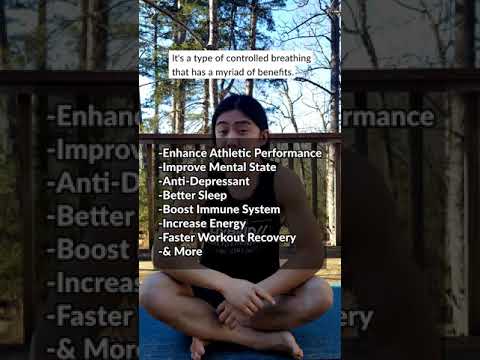
You know that feeling when everything is just too much? Like, you’re juggling work, family, and, oh yeah, the chaos of life? I get it.
This blog provides content for informational, educational, and reflective purposes only. The information published here does not constitute medical, psychological, or psychiatric advice, and it does not replace the evaluation, diagnosis, treatment, or individualized guidance of a properly licensed professional. If you believe you may be experiencing a psychological or health-related issue, consult a qualified professional as soon as possible before making important decisions about your well-being. Do not self-medicate or start, stop, or change medications, therapies, or treatments on your own. While we aim to provide useful and accurate information, we do not guarantee that it is complete, current, or suitable for every situation. Your use of this content is at your own risk, and reading it does not create a professional, clinical, or therapeutic relationship with the author or this website.
Sometimes, you just need a way to chill out for a sec. That’s where this cool breathing technique comes in. Seriously, it’s like a little mental reset button.
Cold breathing sounds wild, but trust me, it can really help you bounce back when life throws its curveballs.
So let’s chat about how taking a few icy breaths can boost your mental toughness and keep you grounded. Sound good?
Discover the 3 3 3 Breathing Technique: A Simple Method to Reduce Anxiety and Enhance Mindfulness
Alright, so let’s chat about this breathing technique that’s been popping up everywhere: the 3-3-3 breathing method. It’s super simple and can be a game-changer when you’re feeling anxious or just need to come back to center. Here’s how it works.
Basically, the 3-3-3 breathing technique involves three steps. You focus on your breath and your surroundings for a few moments. It’s like hitting the pause button. When anxiety hits, you may feel overwhelmed and scattered, right? This technique can really help ground you.
First off, you breathe in for three seconds. Take a deep breath through your nose—let your belly expand like a balloon. Feel that air fill you up. Imagine it washing away some of that tension.
Next, hold that breath for three seconds. Just pause and let it settle in there for a moment. You might feel a bit of stillness starting to form inside you while you’re just hanging out with your breath. It’s kind of like taking a mini-vacation from chaos.
Then comes the final step: exhale slowly over three seconds. Let that air flow out through your mouth, visualizing all those tight knots inside loosening up as you breathe out. You could even imagine releasing stress or worries with each breath out.
One way I’ve seen this work is when my friend Sam was totally stressed about his job interview. He couldn’t stop fidgeting and his mind was racing with all the “what ifs.” He decided to try the 3-3-3 technique right before heading in. After just a minute or two of focusing on his breaths, he felt more centered—and hey, he ended up acing the interview!
Now why does this work? Well, focusing on your breath helps shift your attention away from whatever’s causing anxiety at that moment and brings you into the present experience. It encourages a state of mindfulness—a practice where you’re fully aware of now instead of dwelling on past mistakes or future worries.
Using the 3-3-3 method isn’t just about calming down; it can also build mental resilience. By paying attention to your breathing regularly—like during those tough moments—you become better at managing stress over time. You learn to recognize when anxiety is creeping in and tackle it head-on rather than letting it take over.
So remember: when life feels overwhelming or anxiety starts bubbling up, try giving this 3-3-3 breathing technique a go! Who knew something so simple could pack such a punch? Just take those breaths—you got this!
Is the Wim Hof Method Safe? Exploring Benefits and Risks for Mental Health
Is the Wim Hof Method safe? That’s a solid question! The Wim Hof Method, which combines breathing techniques, cold exposure, and meditation, has gained quite a bit of attention lately. People are diving into it for all sorts of reasons, including boosting their mental resilience. But, is it really all good vibes? Let’s break it down.
First off, the **Wim Hof Method** consists of three main parts:
- Breathing exercises: These are designed to increase oxygen levels in your body.
- Cold exposure: This can involve taking cold showers or ice baths.
- Meditation: Focused breathing and mindfulness play a big role here.
The idea behind this technique is to strengthen your mental resilience and improve emotional well-being. You know how after a tough workout you feel accomplished? That’s similar to what some folks experience with this method after enduring cold exposure or mastering their breath.
Now, let’s talk about benefits. Some studies suggest that engaging in the **Wim Hof Method** might help reduce anxiety and stress levels. For example, one study found that individuals who practiced the method displayed lower feelings of stress compared to those who didn’t. It’s kind of like giving your brain a reset—a burst of energy when you need it most.
But here’s where things get tricky: safety considerations. The **cold exposure** part might not be for everybody. Some people could respond poorly if they have underlying medical conditions like asthma or cardiovascular issues. Imagine jumping into freezing water without knowing how your body will react—yikes! Always make sure to check with a healthcare professional before trying something new like this.
Also, during the breathing exercises, there’s something called **hyperventilation** that can occur if you’re not careful. This is when you breathe too quickly or deeply and can lead to lightheadedness or even passing out—definitely not fun! While it can be invigorating for some people, others might feel dizzy or overwhelmed by it.
Another concern? Cold exposure should be approached gradually so you don’t shock your system. Some folks just dive right in (pun intended) without getting used to cold temperatures first and may end up feeling more harm than good—not cool!
In summary: while many users report benefits from the Wim Hof Method, like improved mood and reduced anxiety, it’s essential to proceed with caution:
- Consulting a doctor before starting is highly advisable.
- Start slow: Ease into both cold exposure and breathing techniques.
- Listening to your body: If something doesn’t feel right, take a step back.
So really—if you’re thinking about trying out this method for enhanced mental resilience—be smart about it. You want to feel empowered and strong without putting yourself at unnecessary risk!
Exploring the Effects of Cold Air on Anxiety: Can Breathing in Chilly Air Provide Relief?
So, let’s chat about something you might not have thought about before: the effects of cold air on anxiety. You’ve probably experienced that brisk chill outside that just kind of wakes you up, right? Well, it turns out that breathing in chilly air could actually have some benefits for your mental state. Crazy, huh?
When we’re dealing with anxiety, our bodies often go into this fight-or-flight mode. Basically, it’s like our inner alarm system is constantly buzzing. Breathing techniques can help calm that down—seriously! Think about how you feel when you take a deep breath of fresh air on a cold day. The cold can stimulate your body in ways that might ease those anxious feelings.
Here are a few things to remember:
One time, I was feeling super overwhelmed with work stress. I decided to take a walk outside—it was winter and chilly as all get-out! At first, it felt harsh against my skin, but as I breathed deeply in the cold air, something shifted inside me. My head cleared up; I could think straight again. It was almost like the chill washed away some of my worries.
Of course, while chilly air can help some people relax, it won’t solve everything overnight—like most methods for managing anxiety, it’s just one tool in the toolbox. But hey, if stepping out into the cold gives you even a little relief from those nagging feelings of anxiety? That’s worth trying!
Finally, pay attention to how **your** body reacts to this whole idea. Everyone’s different—you might find chilly breaths soothing or kind of annoying! Just remember that understanding what works for **you** is key in managing anxiety effectively.
All in all, next time you’re feeling anxious or just need a moment to breathe deeply and reconnect with yourself, don’t hesitate to step outside and embrace that cold air!
You know when life throws a ton of stuff your way, and you just feel like you’re drowning in it? Yeah, that can be overwhelming. I came across this thing called the «Cold Breathing Technique,» and honestly, it’s been a game changer for me.
So, here’s the deal. Cold exposure—like stepping into a cold shower or taking a quick dip in chilly water—can actually help build mental resilience. It forces you to confront discomfort head-on. You might think, “Why on Earth would I want to do that?” but hear me out. The first time I tried it, my heart was racing as I stood at the edge of that icy shower. But then something magical happened: when I finally stepped in, it was like all the chaos in my mind got put on pause for a hot second.
The cool part about this technique is the breathing aspect. When you’re hit with cold water, your body instinctively reacts. Your breath gets quick and shallow at first, but if you focus on slowing it down—long inhales and deep exhales—you start to regain control over both your body and mind. It’s like flipping a switch from panic mode to just chillin’.
A friend of mine had a tough time dealing with anxiety every day. He started practicing cold breathing regularly and realized he could actually face stressful situations better—like giving presentations or even just speaking up in a meeting. He talked about how those moments didn’t seem as daunting after he’d taken some time to breathe and get grounded first.
So basically, cold breathing doesn’t just toughen you up physically; it also tunes up your mental game. The more you practice being comfortable with discomfort, the easier it is when real-life challenges pop up outta nowhere.
Sure, it doesn’t magically solve everything overnight; maybe it’s not for everyone either. But if you’re looking for something new to help navigate through stress or anxiety? It might just be worth checking out!