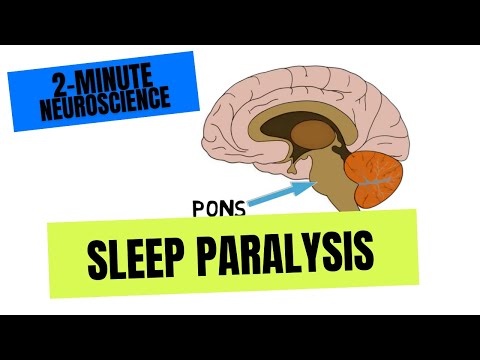
You know that feeling when you wake up, but your body just won’t cooperate? It’s a weird mix of panic and frustration.
This blog provides content for informational, educational, and reflective purposes only. The information published here does not constitute medical, psychological, or psychiatric advice, and it does not replace the evaluation, diagnosis, treatment, or individualized guidance of a properly licensed professional. If you believe you may be experiencing a psychological or health-related issue, consult a qualified professional as soon as possible before making important decisions about your well-being. Do not self-medicate or start, stop, or change medications, therapies, or treatments on your own. While we aim to provide useful and accurate information, we do not guarantee that it is complete, current, or suitable for every situation. Your use of this content is at your own risk, and reading it does not create a professional, clinical, or therapeutic relationship with the author or this website.
Imagine lying there, wide awake, wanting to move but feeling completely stuck.
There’s this paralyzing experience that hits some folks. And it can be downright terrifying.
I mean, you’re conscious. You can hear everything around you, but yeah… no movement whatsoever.
It’s like your brain’s playing a cruel trick on you. Trust me; it’s more common than you think!
Understanding Sleep Paralysis: The Experience of Being Awake but Unable to Move
Sleep paralysis can be one of the scariest things you might ever experience. Imagine you’re waking up or drifting off to sleep, and suddenly, you feel like a statue. Your mind is alert, but your body? Totally unresponsive. It’s like being trapped inside your own skin. Really unsettling, right?
During these episodes, some people report feeling pressure on their chest or even seeing shadowy figures in the room. It can feel super real, almost like there’s a presence watching over you. A friend of mine described it as feeling “stuck between two worlds”—conscious but completely unable to move or speak.
So, what actually causes this? Well, sleep paralysis most often happens during transitions between sleep stages, especially when you’ve been sleeping deeply and shift into wakefulness. Your body is in a state where the brain is active, but the muscles are still turned off to prevent us from acting out our dreams. It’s a natural safety mechanism, but sometimes it doesn’t work quite right.
Here are some key points about sleep paralysis:
Now let’s talk about what you can do if it happens to you. First off, try not to panic. This might sound tough in the moment, but focusing on breathing slowly and deeply could help ease that fear as your body comes back online.
If this keeps happening (like more than once), consider looking into your sleeping habits and maybe even chatting with a healthcare professional about it—you know? They can help guide you through this weird ordeal and identify if there’s an underlying issue at play.
Remember: You’re not alone if this has happened to you! Many people have gone through it and felt just as frightened by those moments of helplessness. Once you understand that it’s just a brief glitch in how we fall asleep and wake up—it starts to sound way less scary!
Understanding Sleep Paralysis: What Happens When You’re Conscious But Can’t Move
Sleep paralysis can be pretty terrifying, right? Imagine being wide awake, fully aware of your surroundings, but completely unable to move or speak. It’s like your body just hit the pause button while your mind is still running full speed. So, what’s going on during these freaky moments?
To start off, sleep paralysis usually happens when you’re drifting in or out of sleep. It’s a part of a sleep cycle called REM (rapid eye movement) sleep. During this stage, your brain is super active—dreaming away—but your body is basically paralyzed to prevent you from acting out those dreams. But sometimes, people wake up before that paralysis wears off. Yikes!
When this happens, you might feel like there’s an elephant sitting on your chest or hear odd noises that aren’t really there. Like one time my friend told me she thought she saw a shadowy figure at the foot of her bed! Seriously scary stuff.
Here are some key points about sleep paralysis:
- It can last from a few seconds to a couple of minutes.
- People often experience hallucinations. This could be anything from seeing shadows to feeling pressure on their bodies.
- Stress and lack of sleep can make it happen more often.
- Sleep disorders, like narcolepsy, are associated with higher rates of sleep paralysis episodes.
- Avoiding sleep deprivation and stress management might help reduce occurrences.
The thing is, it’s not harmful physically—just emotionally overwhelming. Some folks find it helps to keep a regular sleep schedule and practice relaxation techniques before bed. Meditation can do wonders for calming your mind.
So if you ever go through this intense experience just know you’re not alone! Many have felt that eerie mix of fear and helplessness. And while it may feel isolating in the moment, rest assured it’s something that many people deal with at some point in their lives. You follow me?
Unveiling the Truth: Is Sleep Paralysis Really a Demon Encounter?
Sleep paralysis can be a freaky experience. Imagine this: you’re awake, but your body just won’t move. It’s like being trapped in your own skin. Sounds terrifying, right? Some people even feel a weight on their chest or see strange figures. This has led folks to believe they might be having encounters with demons or spirits, which totally makes sense given how disorienting it feels.
First off, let’s break down what sleep paralysis really is. It happens when you wake up during the rapid eye movement (REM) phase of sleep. Basically, during REM, your brain is super active—like full-on dreaming mode—but your body is in a state of temporary muscle paralysis to stop you from acting out those dreams. Sometimes you wake up before that paralysis wears off, and boom! You’re conscious but can’t move.
Now, why the demon talk? Well, many cultures around the world have stories about demons or other entities visiting people during these episodes. When you’re paralyzed and see something creepy in the corner of your room—or even feel like someone’s sitting on you—it’s easy to jump to conclusions about paranormal activity.
Here are some key points to consider:
- Scientific Explanation: Sleep paralysis is linked to disrupted sleep patterns. Stress and lack of sleep can increase its occurrence.
- Hallucinations: Many people report seeing shadows or feeling pressure on their chest—common during these episodes.
- Cultural Beliefs: Different cultures explain sleep paralysis through various myths—demons for some, alien abductions for others!
- Impact on Mental Health: Experiencing frequent episodes can lead to anxiety about sleeping and affect overall mental well-being.
Many people who experience sleep paralysis say they felt an overwhelming sense of dread or fear when it happened. One friend told me how he woke up one night feeling pressure on his chest and saw a dark figure at the foot of his bed. He was convinced it was a demon; it terrified him! But once he learned more about sleep science, he realized it was just his brain playing tricks on him.
So yeah, while it might feel like a supernatural encounter in the moment, science backs up that this isn’t actually a visit from the netherworld. Instead, it’s all about our body’s fascinating—but sometimes scary—sleep mechanics working overtime.
If you find yourself dealing with sleep paralysis regularly, it might help to talk with someone who gets it—like a therapist who understands sleep issues or even a doctor who specializes in sleep disorders. Getting better quality sleep could make all the difference between waking up relaxed versus waking up feeling like you’ve just escaped from a horror movie!
Have you ever found yourself wide awake but completely unable to move? Seriously, it’s like your body is on a permanent snooze. You want to scream, or maybe even just stretch your arms, but nothing happens. It’s a bit of a nightmare, honestly.
A friend once told me about this experience. One night, she woke up and couldn’t budge an inch. She could see her room—the clock ticking away, the shadows dancing—and yet, she was frozen. The panic set in pretty quick. Her heart raced while her mind was screaming for her body to respond. All she could do was lie there and hope it would end soon.
This feeling can be related to something called sleep paralysis. It’s not as uncommon as you might think; lots of folks have gone through this bizarre phenomenon at least once in their lives. Basically, during certain sleep stages, especially when you’re waking up or falling asleep, your brain gets ahead of your body in terms of readiness. So while your mind is aware and alert, your muscles are still chilling in dreamland.
What’s wild about it is how real the sensations feel—like weight on your chest or even visual hallucinations (you know those creepy figures that seem to loom over you? Yikes!). People describe it as being trapped between two worlds: consciousness and slumber.
Sometimes, stress and lack of sleep can trigger these episodes more often. That’s why getting a good night’s rest isn’t just about snoozing; it’s about restoring that connection between body and mind so they wake up together!
I get it; when you’re caught in that limbo between wakefulness and immobility, it can feel like time stretches on forever. But knowing it’s a common experience might help ease some of that fear next time you find yourself lying there wide-eyed yet paralyzed. Just remember: You’re not alone in this weird little corner of sleep science!