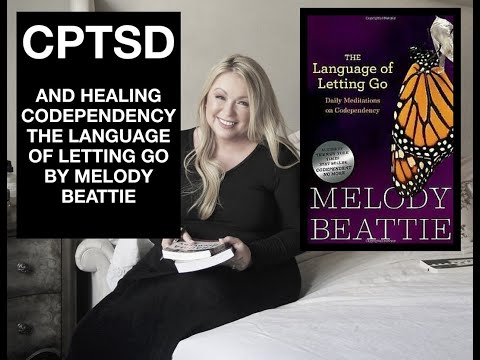
You ever feel like you’re stuck in a loop, always putting someone else’s needs before your own? Yeah, that’s codependency for you.
This blog provides content for informational, educational, and reflective purposes only. The information published here does not constitute medical, psychological, or psychiatric advice, and it does not replace the evaluation, diagnosis, treatment, or individualized guidance of a properly licensed professional. If you believe you may be experiencing a psychological or health-related issue, consult a qualified professional as soon as possible before making important decisions about your well-being. Do not self-medicate or start, stop, or change medications, therapies, or treatments on your own. While we aim to provide useful and accurate information, we do not guarantee that it is complete, current, or suitable for every situation. Your use of this content is at your own risk, and reading it does not create a professional, clinical, or therapeutic relationship with the author or this website.
It’s wild how easy it is to fall into that pattern, right? You give and give, and somehow it feels more natural than taking care of yourself.
Melody Beattie gets it. Her insights are like a light bulb moment for many of us tangled up in these habits.
She doesn’t just point out the problem—she offers hope, tools, and ways to break free. Imagine reclaiming your life and finding joy in being you, not just “you and them.”
Let’s talk about what healing from codependency really looks like, you know? It could be the first step toward a happier, healthier you.
Understanding the Core Wound of Codependency: Unpacking Its Emotional Roots and Healing Pathways
The core wound of codependency is something many people carry, often without realizing it. Codependency isn’t just about needing someone else to feel okay; it’s a deep emotional response rooted in past experiences. So, let’s unpack that a bit.
Many times, codependent behaviors stem from childhood. Maybe you grew up in an environment where feelings were ignored or dismissed. You learned to put others’ needs before your own just to be seen or loved. It’s like you started playing the role of the caretaker, while your own needs went unnoticed.
When you’re stuck in this pattern, it can feel exhausting. You might find yourself constantly trying to please others, often at the expense of your well-being. Think about it—when was the last time you said “no” and felt guilty afterward? That inner turmoil is a good indicator of those emotional roots at play.
Healing from codependency involves recognizing these patterns and understanding their origins. Melody Beattie, known for her work on this topic, emphasizes self-love and awareness as key pathways to recovery. Here are some essential points to consider:
- Recognize Your Patterns: Start noticing when you prioritize others over yourself.
- Acknowledge Your Needs: Learn it’s okay to want things for yourself—your feelings matter too!
- Practice Boundaries: Setting limits with others is crucial; it protects your energy.
- Pursue Self-Care: Engage in activities that bring you joy and fulfillment.
Let’s think about a scenario: imagine you’re the go-to friend for all emotional crises. Your buddy calls every time they need support but never asks how you’re doing or returns that care. Over time, you might feel drained or even resentful because you’re not getting anything back. That could be a huge clue pointing at codependent behavior.
It can be tough to change these habits since they’ve been ingrained for so long. But recognizing them is really the first step toward healing! Beattie talks about the importance of journaling through emotions and seeking therapy if needed—it’s not just about changing behaviors; it’s inner work too.
In essence, healing from codependency means peeling back those layers of emotional pain and learning how to value yourself just as much as you value others. It’s like finding freedom in your own skin again! Remember, changing these deeply held beliefs takes time and patience—don’t rush yourself!
Unlocking Freedom: A Comprehensive Review of ‘Codependent No More’ PDF on Reddit
So, let’s talk about “Codependent No More” by Melody Beattie. If you haven’t heard of it, it’s this pretty influential book focused on codependency. Beattie dives deep into what it means to be codependent and offers insights for healing and breaking free from those patterns.
When you’re dealing with codependency, it can often feel like you’re trapped in a cycle of needing to help or fix others at the expense of yourself. You know that feeling? Like when you’re constantly worried about someone else’s happiness or problems but barely pay attention to your own needs? That’s a classic sign of codependency.
Here are some important takeaways from the book that really stand out:
- Understanding Codependency: Beattie defines codependence as an emotional and behavioral condition where your self-worth is tied to your relationships with others. This can lead to unhealthy dynamics.
- Breaking Patterns: One major emphasis is on recognizing those patterns in yourself. Beattie encourages readers to notice when they slip into people-pleasing behaviors or lose themselves in someone else’s drama.
- Setting Boundaries: A huge part of healing involves learning to set boundaries. It’s not just about saying “no” but understanding that it’s okay to prioritize your own needs—like putting on your oxygen mask first before helping others.
- The Importance of Self-Care: Beattie stresses that self-care isn’t selfish; it’s essential. It’s like giving yourself permission to take up space and focus on what makes you happy and fulfilled.
- Spiritual Growth: The book also touches on spirituality, suggesting that connecting with something bigger than yourself can provide strength and a sense of purpose during the healing process.
Now, reading through reviews on platforms like Reddit can give you a glimpse into how this book resonates with others. There are many shared experiences—a lot of folks feeling really seen by Beattie’s words.
For example, someone might share how they related deeply to the story about needing validation from partners while neglecting their own feelings. It can be both heartbreaking and eye-opening when you realize how many people share similar struggles.
In wrapping up this exploration, “Codependent No More” serves as a guide towards personal freedom from these entangling dynamics. It prompts reflection and encourages growth, which is super important if you’ve found yourself in these kinds of situations.
Whether through self-reflection exercises or just diving into stories from other readers online, there’s this real sense of community forming around the insights shared by Beattie. So if you’re feeling caught up in someone else’s life while ignoring yours, know there are ways out—and folks who totally get where you’re coming from!
Breaking Free from Codependency: A Comprehensive Summary of ‘Codependent No More’
Breaking free from codependency can feel like a mountain to climb. Melody Beattie’s book, *Codependent No More*, is like a trusty guide for many folks navigating this complicated emotional territory. Let’s break down what codependency is and how you can start untangling those ropes that bind you.
So, what is codependency? It’s basically when your sense of self-worth gets tied up in someone else’s feelings and actions. You often feel responsible for their happiness, which can lead to neglecting your own needs. Ever felt drained after trying to make someone else happy? Yeah, that’s a classic sign.
One key point Beattie makes is that setting boundaries is crucial. If you’re the kind of person who struggles to say no, it’s probably time to practice. Boundaries help you reclaim your time and energy. Picture this: you’ve committed to helping a friend every weekend, even when you need your own space. Setting a boundary could be as simple as saying, “I need some time for myself this weekend.” It feels awkward at first, but it gets easier.
Another major takeaway from Beattie’s insights is the importance of self-care. She emphasizes that focusing on your well-being isn’t selfish; it’s necessary! Think of it like putting on your oxygen mask before helping others in an airplane emergency—you can’t support anyone else if you’re gasping for air yourself.
Beattie also encourages people to acknowledge their feelings. A lot of times, when you’re codependent, you might push aside your emotions for fear of rocking the boat. But recognizing what you’re feeling—like anger or sadness—can be liberating. It allows you to address issues honestly instead of bottling them up until they explode.
And here comes the biggie: letting go of the need to control others’ behavior or emotions! This may seem impossible if you’ve been doing it for so long. But remember that each person is responsible for their own life choices. You can offer support without stepping into the driver’s seat.
Beattie’s work also touches on the power of acceptance. Acceptance doesn’t mean giving up; rather, it means acknowledging things as they are right now. When you’re able to accept reality without trying to change it constantly, there’s less pressure on both you and others involved.
Finally, community plays a huge role in healing from codependency. Joining groups or finding supportive friends who understand what you’re going through can provide perspective and validation during your journey.
In short, breaking free from codependency isn’t easy—it takes time and effort—but Beattie gives clear strategies for moving forward: set boundaries, prioritize self-care, recognize your feelings, let go of control needs, embrace acceptance, and lean on community support. With these tools in hand? You might just find the freedom you’ve been seeking!
Codependency can feel like being trapped in a weird emotional dance, right? You’re so wrapped up in someone else’s needs that your own take a back seat. I remember this friend of mine, Sarah. She was always putting her boyfriend first, completely ignoring her own dreams and feelings. It was kind of heartbreaking to watch because she became this shadow of herself.
Melody Beattie’s insights on codependency are like a breath of fresh air for anyone stuck in that cycle. She talks about the importance of self-love and setting boundaries, which can sound daunting at first but is super necessary. Imagine not worrying about what someone else thinks all the time—you know? Just focusing on you for a change can feel liberating!
Beattie emphasizes the idea that it’s okay to say “no” and prioritize your own well-being without guilt. That’s such a crucial point! Like when Sarah finally decided to enroll in art classes after years of putting them off; it sparked something inside her again. She started creating and reconnecting with her passions, and honestly, it transformed her perspective on life.
Of course, healing isn’t linear. There are ups and downs—days when you feel empowered and others when you might slip back into old habits. What I love about Beattie’s work is how relatable it feels because she really gets those struggles. It’s about gradually recognizing your worth separate from others’ opinions or needs.
Ultimately, breaking free from codependency means rediscovering yourself amidst all that chaos. It’s about learning to be there for yourself the way you’ve always wanted to be there for others. So, if you or someone you know is feeling lost in that dance, just know that stepping out takes courage but totally leads to incredible growth—and hey, who doesn’t want that?