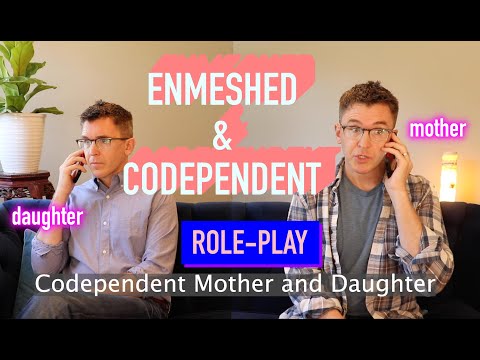
You know, there’s something really special about that bond between a mom and her kid. It’s like this deep connection that feels unbreakable. But sometimes, things can get a little… well, complicated.
This blog provides content for informational, educational, and reflective purposes only. The information published here does not constitute medical, psychological, or psychiatric advice, and it does not replace the evaluation, diagnosis, treatment, or individualized guidance of a properly licensed professional. If you believe you may be experiencing a psychological or health-related issue, consult a qualified professional as soon as possible before making important decisions about your well-being. Do not self-medicate or start, stop, or change medications, therapies, or treatments on your own. While we aim to provide useful and accurate information, we do not guarantee that it is complete, current, or suitable for every situation. Your use of this content is at your own risk, and reading it does not create a professional, clinical, or therapeutic relationship with the author or this website.
You might find yourself feeling overwhelmed, anxious, or even trapped. It’s like you want to be super supportive but end up sacrificing your own needs in the process. You’re not alone if you’ve ever felt this way.
Let’s talk about co-dependent mothering. It’s a tricky territory, for sure! You give so much of yourself that it can feel hard to breathe sometimes. And trust me, figuring this out can bring some peace back into your life.
So, grab a cup of coffee or tea. We’re gonna dive into what co-dependency looks like and how to navigate these choppy waters together. Sounds good?
Exploring the Four M’s of Codependency: Understanding Emotional Patterns in Relationships
So, let’s chat about codependency, especially when it comes to the relationship between mothers and their children. You know, it’s a tricky dynamic where you might find yourself feeling overly responsible for someone else’s feelings or well-being. Think of it as an emotional dance—one that often ends in frustration or burnout.
The Four M’s of Codependency are key to understanding these emotional patterns. They are:
- Martyrdom: This is where one person feels like they have to constantly sacrifice their own needs for someone else. Imagine a mom who always puts her kids’ needs first. She might skip her own self-care because she feels guilty about taking time for herself. Over time, this can lead to resentment and exhaustion.
- Manipulation: Here, emotions become tools to influence another person’s behavior. Think about a scenario where a child knows their parent’s buttons and uses that knowledge to get what they want—a classic case of «If I cry long enough, Mom will let me stay up late.» It creates this weird cycle where love turns into control.
- Meditation: Not the kind that involves sitting cross-legged! This refers to how people might dwell on problems instead of addressing them head-on. For instance, maybe a mother worries endlessly about her kid’s future without having honest conversations with them about it.
- Meshing: This is all about losing your identity in the relationship. Picture a mom who has no interests outside being a parent—she doesn’t hang out with friends or pursue hobbies anymore because everything revolves around her kids. It’s tough because while being involved is great, losing yourself isn’t.
Now let’s break these down a bit more.
Martyrdom can be especially common in mothering roles. You might feel like if you’re not doing enough for your kids, you’re failing as a parent—this idea can creep in pretty easily based on societal expectations or personal beliefs. The reality? Ignoring your own needs doesn’t help anyone in the long run.
When we talk about manipulation, it can get pretty tricky emotionally. Sometimes it’s subtle and even unintentional! A mother may not realize she’s putting pressure on her kids by expressing disappointment when they make choices outside of what she wants for them.
Then there’s meditation. It sounds peaceful, but here we’re talking about ruminating over issues instead of taking action! If you’re constantly replaying scenarios in your head without resolving them—that’s tiring! You could be wasting energy when direct communication could clear things up.
Lastly, with meshing, it’s all too easy to melt into that role as ‘Mom’ and forget who you were before kids came along—it happens! Remember those hobbies you loved? Or that series you couldn’t wait to binge watch? Losing touch with those parts of yourself can be detrimental.
It’s important to break these patterns so both sides can thrive emotionally in the relationship. Think balance; it doesn’t mean less love or care—it means giving space for both parties to grow individually while still supporting each other.
Understanding these four M’s gives insight into why certain feelings come up in relationships and helps identify behaviors that might not be so healthy anymore. It’s all part of making relationships stronger by learning how to take better care of ourselves while caring for others too!
Breaking Free: Effective Strategies to Stop Being a Codependent Parent
Codependency is a tricky thing, especially when you’re a parent. It’s like being stuck in this invisible web where you feel overly responsible for your child’s emotions and well-being. You know, it can create a lot of stress and lead to unhealthy dynamics. So, let’s break down some ways to stop being a codependent parent and start fostering healthier relationships.
Recognize the Signs
First off, you gotta recognize what codependency looks like. Are you constantly sacrificing your needs for your child? Do you find yourself feeling anxious if they’re upset? These are clues that something might be off. For instance, think about Maria who always put her daughter’s after-school activities before her job or personal time. She felt guilty even thinking about prioritizing herself.
Set Healthy Boundaries
Now, let’s talk boundaries because they’re crucial here. You don’t have to do everything for your kiddo. Start small—decide what you will do and what you won’t. Maybe tell them it’s okay to handle minor issues on their own, like resolving conflicts with friends or managing homework deadlines. You’ll be surprised at how empowering this can be for both of you!
Focus on Your Own Needs
Remember, you’re not just a parent; you’re also an individual with your own needs and feelings! When was the last time you spent an hour doing something just for yourself? Whether it’s reading, exercising, or catching up with friends, make that time non-negotiable. This not only boosts your mood but also models self-care for your kids.
Encourage Independence
Encouraging your child to become independent is key too! Let them try things on their own—even if they stumble along the way. For example, if they forgot their lunch at home, maybe don’t rush over to deliver it right away. Let them figure out solutions themselves sometimes; it’s great practice for life skills.
Practice Self-Compassion
This is huge: cut yourself some slack! Being a parent is tough as nails—you’re going to have days where things don’t go as planned or where emotions run high. Give yourself grace during those moments instead of beating yourself up about it. That would really help ease the guilt that often comes with codependency.
Seek Professional Help
And hey—if these strategies feel overwhelming or if you’re struggling to make changes on your own, consider seeking professional support! Therapists really are there to guide you through understanding these patterns better and developing new habits that work for both you and your child.
Breaking free from codependency takes time—it won’t change overnight, but every little step counts. Remember that nurturing independence in yourself and in your kids opens up space for healthier relationships all around!
Understanding Co-Dependent Mothering: Insights and Support from the Reddit Community
Co-dependent mothering can be a heavy topic, but it’s also super important to chat about. Basically, co-dependency happens when a mother feels overly responsible for her child’s emotional well-being. It’s like she loses herself in her role as a mom, you know? This can lead to some challenging dynamics.
Reddit has been a real hotspot for folks sharing their experiences and advice on this issue. Many users share similar experiences that paint a pretty clear picture of what this can look like. Here’s the thing: while love and care are foundational to parenting, too much can blur the lines.
- Over-involvement: Many moms in co-dependent situations find themselves micromanaging every little detail of their child’s life—from their friends to their hobbies. It often stems from good intentions but ends up being suffocating.
- Emotional Burden: Some mothers feel they have to manage all emotions—both theirs and their child’s—leading to chronic stress and anxiety. One Redditor mentioned feeling like she had to be her child’s therapist during every meltdown.
- Lack of Boundaries: Boundaries are key in any relationship, right? But for co-dependent moms, setting those boundaries is tough because they don’t want to upset or disappoint their kids.
- Identity Issues: Co-dependency can warp a mother’s sense of self. They might define themselves solely through their children and forget who they are outside that role. One user shared how she lost all her interests because every moment was spent worrying if her kid was happy.
If you’re reading this and thinking, “Hey, that sounds familiar,” you’re not alone! The Reddit community offers support where people share not only challenges but also steps toward healing.
A lot of users suggest seeking therapy as a way out of this cycle. Therapy can help mothers understand themselves better and differentiate between love and control. It’s about learning healthy patterns so both the mom and child can thrive as individuals.
Self-care also comes up quite frequently in discussions. Simple things like taking time for yourself, exploring hobbies again, or even just stepping back occasionally can nurture healthier dynamics within the family.
Remember, breaking free from co-dependency won’t happen overnight—it’s more like peeling layers off an onion! But with awareness and support from communities like Reddit or professional help, it gets easier over time.
In essence, recognizing co-dependent tendencies is the first step towards creating healthier relationships with your kids—and honoring your own needs along the way is vital! You follow me? Balancing love with freedom is totally achievable; it just takes some work and patience!
Co-dependent mothering, wow, that’s a heavy topic. It’s like walking a tightrope between wanting to support your kid and losing yourself in the process. I’ve seen it happen. A friend of mine, Jess, used to be that mom who was always there—like really there. She’d do anything for her kids. I mean anything. But eventually, she felt burnt out and lost touch with what she wanted or needed.
So, let’s think about this for a sec. Co-dependency often sneaks up on you, right? You start off wanting to be the best parent you can be—a superhero in your child’s eyes. You’re all in, driving them everywhere, helping with homework until midnight, being their emotional rock—no complaints! But then you slowly realize that you’ve kind of morphed into this role where your own needs are sort of… forgotten? Like you’re just living through their experiences instead of having your own.
And it can get complicated because it’s not just about feeling overwhelmed; there’s guilt wrapped up in it too. If you step back to catch your breath, you might worry you’re being selfish or that your kiddo will feel abandoned—or worse yet—unsupported.
The tricky part is recognizing when it’s time to set boundaries while still being there for your little ones. Maybe taking a night for yourself once a week or even asking for help can seem daunting at first, but trust me—it really does make a difference! It’s like filling up your own cup so you can pour more into theirs without feeling drained.
Honestly, learning to balance support and independence is crucial—for both parents and kids. You want them to grow up knowing they can stand on their own two feet while still feeling loved and supported by you.
I’d say we have to shift the focus sometimes: from over-caretaking to nurturing healthy relationships where both parties thrive—not just one person burning out while the other flourishes!
So if you’re caught in that co-dependent web—don’t sweat it too much! You’re not alone in this journey and making small shifts can lead to big changes over time. After all, being healthy mentally means everyone benefits; including you and the kiddos you love so much!