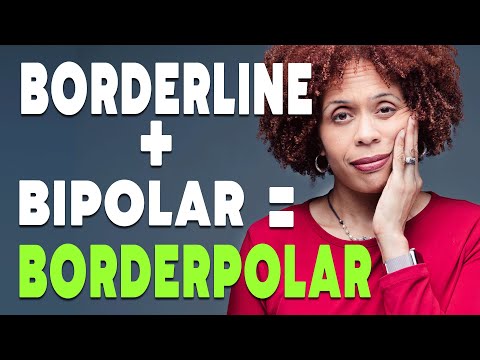
You know, mental health is a wild ride, right? One moment you’re up, feeling on top of the world, and then the next—bam! Everything’s flipped upside down.
This blog provides content for informational, educational, and reflective purposes only. The information published here does not constitute medical, psychological, or psychiatric advice, and it does not replace the evaluation, diagnosis, treatment, or individualized guidance of a properly licensed professional. If you believe you may be experiencing a psychological or health-related issue, consult a qualified professional as soon as possible before making important decisions about your well-being. Do not self-medicate or start, stop, or change medications, therapies, or treatments on your own. While we aim to provide useful and accurate information, we do not guarantee that it is complete, current, or suitable for every situation. Your use of this content is at your own risk, and reading it does not create a professional, clinical, or therapeutic relationship with the author or this website.
That’s kinda what life is like for folks with bipolar disorder and borderline personality disorder. It’s tough stuff. Seriously, these conditions can really throw you for a loop.
Imagine feeling so overwhelmed by your emotions that it feels like riding a roller coaster that never stops. Totally exhausting!
But here’s the thing: understanding these challenges isn’t just important for those experiencing them. It helps everyone around them too. So let’s unpack this a bit, shall we? There’s a lot to learn and share!
Understanding the Intersection of BPD and Bipolar Disorder: Key Insights and Implications
So, let’s talk about this tricky intersection between Borderline Personality Disorder (BPD) and Bipolar Disorder. You might be wondering, how can two disorders that seem kinda different actually overlap? Well, the thing is they share some similar features but also have their own unique vibes.
Both BPD and Bipolar Disorder can mess with your emotions. Like, if you have BPD, you might experience intense mood swings that last a few hours to a couple of days. On the flip side, with Bipolar Disorder, those mood shifts are usually more extreme and can last for days or even weeks. Picture it like this: imagine being on a rollercoaster that has swift drops and sudden climbs—that’s BPD. Then there’s Bipolar Disorder, which often feels more like a long road trip with some dramatic turns.
When it comes to feelings of emptiness or fear of abandonment, BPD really takes the cake. You can feel like you’re constantly on edge about losing relationships. So one minute you’re feeling super close to someone; the next minute, you’re scared they’ll leave you. That kind of emotional turmoil can lead to impulsive actions too—think risky behaviors or making decisions without really considering the consequences.
However, when someone has Bipolar Disorder, they might not experience that same intense fear of abandonment but could swing from feeling overly optimistic during a manic phase to sinking into deep sadness in depressive episodes. It’s like riding two different waves—not fun at all.
Now let’s break down some key insights:
- Diagnosis Challenges: Doctors sometimes confuse BPD with Bipolar Disorder because their symptoms overlap. This makes getting an accurate diagnosis super important.
- Treatment Approaches: Treatment differs between the two. BPD often responds well to therapies like Dialectical Behavior Therapy (DBT), while people with Bipolar might benefit from mood stabilizers.
- Coping Mechanisms: Individuals may develop different coping strategies depending on whether they’re dealing with BPD or Bipolar Disorder.
- Support Systems: Building a strong support network is crucial for both disorders—friends or family who understand what you’re going through can make a significant difference.
- Overlap Risks: If someone has both disorders—which isn’t all that uncommon—they might face unique challenges in managing their symptoms effectively.
It’s totally possible to have both conditions at once—you know? It’s called comorbidity—and it complicates things because each disorder could potentially amplify symptoms of the other. Think about having one storm brewing; now add another storm on top of it!
Emotional regulation is usually a big hurdle for folks dealing with either condition. So learning skills to manage those intense feelings is vital. It can be exhausting trying to balance everything out.
In real-world scenarios, it helps if friends and family educate themselves about these disorders too! They should try understanding what emotions or situations may trigger episodes.
This whole journey isn’t easy for anyone involved whether it’s yourself or someone close to you struggling with these issues. Compassion goes a long way in navigating all those ups and downs together as you become more aware of how these conditions interact in everyday life!
Unlocking Success: Exploring the Unique Strengths of Individuals with Bipolar Disorder
Bipolar disorder can feel like a rollercoaster ride, right? One moment you’re on a high, feeling invincible, and the next, it’s like you’ve plummeted into a deep pit of despair. But here’s the thing—not everyone sees this condition as just a challenge. There are some pretty unique strengths that can come out of it, if you know where to look.
Creativity is one of the standout traits often associated with bipolar disorder. Many artists, writers, and musicians have credited their manic phases with sparking incredible bursts of creativity. Just think about it: when your mind races and ideas flow without barriers, you might create something truly amazing. Take Vincent van Gogh or Kurt Cobain; both faced bipolar disorder but also left behind legacies filled with creative genius.
Another strength is resilience. Living with bipolar disorder means constantly navigating ups and downs. This daily survival can make individuals incredibly adaptable and strong in the face of adversity. You see, those who cope with these emotional swings often develop ways to manage stress that others haven’t had to learn. It’s like building muscle—every challenge makes you stronger.
Empathy often emerges from these experiences too. People with bipolar disorder usually have profound emotional experiences themselves; as a result, they may connect deeply with others going through tough times. This ability to understand what someone else feels creates strong bonds and can lead to meaningful relationships.
Now let’s not forget about drive. During manic episodes, people might experience bursts of energy that can fuel projects or lead to intense goal-setting. Sure, it can be chaotic at times—but sometimes that drive pushes individuals toward accomplishments they never thought possible. Like launching successful businesses or being super involved in their communities.
Finally, there’s an important aspect called self-awareness. Many people living with bipolar disorder learn how their mood fluctuations affect them over time; this awareness can pave the way for personal growth and stronger mental health strategies. When you recognize when you’re slipping into mania or depression, you’re in a better position to seek help or make adjustments in your life.
Of course, embracing these strengths doesn’t mean ignoring the challenges that come with bipolar disorder—it’s all about finding balance where you can appreciate both sides of the coin! So if you know someone dealing with this condition—or if you’re navigating it yourself—remember that amidst the ups and downs lies untapped potential waiting to be recognized.
In short: Bipolar disorder has its battles but also bears gifts in creativity, resilience, empathy, drive, and self-awareness—a reminder that there might be more than meets the eye!
Understanding the Dual Diagnosis of Bipolar Disorder and Borderline Personality Disorder: Symptoms, Challenges, and Treatment Options
So, let’s talk about something that can feel pretty complex: bipolar disorder and borderline personality disorder (BPD). When you have both, it’s called a dual diagnosis. This combo can really mess with your emotional world.
First up, let’s break down what each of these disorders looks like. With bipolar disorder, you typically swing between extreme moods—like feeling on top of the world during a manic phase and then hitting rock bottom during a depressive episode. You might feel super energetic one moment and then completely drained the next.
BPD is a bit different. It’s more about how you think and feel about yourself and others. People with BPD often struggle with intense emotions, fear of abandonment, and unstable relationships. One minute you might love someone fiercely, and the next, you might feel totally betrayed by them.
Now, imagine having both at once! The symptoms can overlap or even amplify each other. For example:
- Mood swings: Both disorders involve mood changes but in different ways. Bipolar has distinct phases, while BPD fluctuates more rapidly.
- Impulsivity: You might act unpredictably due to mania or be driven by emotions from BPD.
- Relationship challenges: Both conditions can complicate personal connections—just think of the emotional rollercoaster.
A friend of mine once told me about their struggles with this dual diagnosis. They felt like they were on an emotional seesaw—one day they were high-fiving everyone because they felt invincible and the next day just wanted to hide away and cry over how lonely they felt. Sound familiar?
Treating both conditions isn’t as straightforward as it sounds either. Medications for bipolar disorder typically focus on stabilizing mood swings—think mood stabilizers or antipsychotics. On the other hand, therapy is really big in managing BPD symptoms since those are often rooted in your thought patterns and behaviors.
The treatment plan could include:
- Cognitive Behavioral Therapy (CBT): Helps reframe negative thought patterns—a useful tool for both disorders.
- Dialectical Behavior Therapy (DBT): Specifically designed for BPD, it teaches coping skills to handle emotions better.
- Medication management: Working closely with a psychiatrist to find what eases symptoms without causing too much chaos in your life.
You see? It’s all about finding that balance between managing moods from bipolar disorder while also addressing those intense feelings from BPD.
Navigating life with both can be an uphill battle—but it is possible to find strategies that work for you! The key is getting support from professionals who understand these intersections. Remember to take care of yourself; you’re not alone in this!
Bipolar disorder and borderline personality disorder (BPD) are two conditions that can really shake up a person’s emotional world. It’s like riding a crazy rollercoaster, where the highs are exhilarating but the lows? Well, they can be pretty tough to ride out.
I remember talking to a friend, Sarah, who had been diagnosed with BPD. One night, she called me feeling totally overwhelmed after an argument with her partner. It was as if the entire world was crumbling down around her. She described feeling empty and angry but also desperately wanting connection. That’s what it feels like for many people with BPD—intense emotions that shift in a flash.
On the flip side, there’s bipolar disorder, where emotions swing too, but in a different way. People might experience manic episodes filled with energy and creativity, followed by crushing depression that feels like walking through mud. My cousin deals with bipolar disorder; I once saw him transform from buzzing with ideas about starting a business to shutting down for weeks. It’s heartbreaking to witness.
The thing is both disorders come with their own unique challenges but share that core struggle of intense emotional experiences and difficulties managing those feelings. You know? The ups and downs can make relationships tough. Friends or partners might feel lost or confused; it’s hard to navigate when someone you care about goes from being super affectionate to distant in what seems like a heartbeat.
But here’s where it gets hopeful: understanding and support play huge roles in managing these challenges. Therapy can offer essential tools for both conditions—helping people recognize triggers and develop coping strategies that actually work for them. For Sarah, weekly sessions have helped her understand her emotions better, which really made a difference in her relationship.
It often takes time to find the right balance—between self-care and reaching out for help—but getting there is so worth it. Because at the end of the day, no one should have to go through this alone; having people who get it makes navigating life just a little easier! So if you’re facing this or know someone who is, just remember: it’s okay to reach out for support. You’re definitely not alone on this ride.