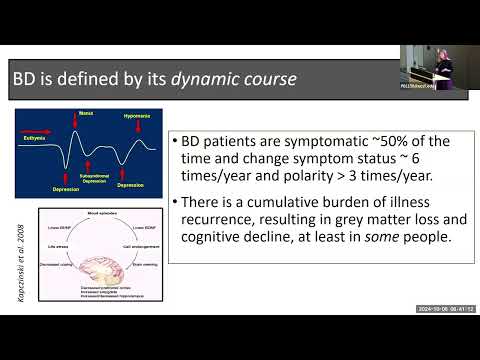
So, let’s chat about something real. You know, mental health can be a rollercoaster ride. One minute you’re on top of the world, feeling like you could conquer anything. The next? Well, it might feel like you’re stuck in a swamp.
This blog provides content for informational, educational, and reflective purposes only. The information published here does not constitute medical, psychological, or psychiatric advice, and it does not replace the evaluation, diagnosis, treatment, or individualized guidance of a properly licensed professional. If you believe you may be experiencing a psychological or health-related issue, consult a qualified professional as soon as possible before making important decisions about your well-being. Do not self-medicate or start, stop, or change medications, therapies, or treatments on your own. While we aim to provide useful and accurate information, we do not guarantee that it is complete, current, or suitable for every situation. Your use of this content is at your own risk, and reading it does not create a professional, clinical, or therapeutic relationship with the author or this website.
Bipolar disorder really throws a wrench in that ride. It’s not just mood swings; it’s like living in extremes. And if you’ve got CCI (that’s co-occurring conditions), things can get even trickier.
But hey, don’t worry! We’re gonna break it all down together. You’ll see how to navigate these challenges with hope and maybe even a little humor along the way. Sound good? Let’s dig into this!
Understanding the Difference: Is Bipolar Disorder a Form of Schizoaffective Disorder?
Bipolar disorder and schizoaffective disorder can be super confusing, right? They’re both serious mental health conditions, and sometimes people mix them up. So let’s break it down, nice and simple.
First off, bipolar disorder mainly revolves around mood swings. You’ve got your high points—called manic or hypomanic episodes—and then there are the low points, like major depression. Imagine waking up one day feeling like you can conquer the world, only to crash down a week later feeling like you can’t get out of bed. Yeah, it’s that intense.
On the flip side, schizoaffective disorder combines symptoms of both schizophrenia and a mood disorder. That means you might experience mood swings similar to bipolar but also deal with psychotic symptoms—like hallucinations or delusions. It’s like your brain throws a party with all these different issues happening at once!
Now here’s where things get tricky: people with bipolar disorder don’t usually have psychotic symptoms unless they’re in a severe mood episode. So if you’re feeling really high or low and hearing voices—that’s not typical for bipolar but might point more toward schizoaffective or schizophrenia.
When diagnosing these disorders, doctors pay close attention to the timing and type of symptoms experienced. For instance:
- Bipolar Disorder: Mood changes happen separately from any psychotic experiences.
- Schizoaffective Disorder: Mood episodes happen simultaneously with psychotic symptoms.
Let me share a relatable story here: I once knew someone who was diagnosed with bipolar disorder but struggled to explain their condition to friends. They’d have these wild highs followed by deep lows—but never experienced any hallucinations. Another friend thought he might have schizoaffective because he sometimes heard voices during his depressive episodes. The key realization? He was actually dealing with bipolar disorder that brought on some intense emotional experiences without the other stuff attached.
So, it’s all about the specifics of what’s going on in your brain and how those mood changes line up (or don’t) with other symptoms. It can feel like a guessing game at times! But understanding what each condition really looks like helps in getting proper treatment.
In therapy, those diagnosed often learn coping strategies for their mood swings or how to manage psychotic symptoms if they have them—regardless of which condition they’re facing. Connecting with others who understand what you’re going through is super helpful too!
To sum it up: while both conditions involve significant mood changes, bipolar disorder focuses on mood fluctuations without psychosis outside of those extreme swings; whereas schizoaffective disorder has those psychotic features mixed right in there during any given episode. Clarity about these differences is crucial for supportive treatment paths!
Download Your FREE Bipolar Workbook PDF: A Comprehensive Resource for Managing Symptoms
When you’re dealing with bipolar disorder, the journey can feel like a rollercoaster ride. You know, that high you get during manic episodes followed by the deep lows of depression? It’s intense. That’s where resources like a **Bipolar Workbook** come into play. It can be a real lifesaver for managing symptoms and navigating those ups and downs.
A **Bipolar Workbook PDF** usually includes several helpful tools and strategies designed to support your mental health. Here are some key features you might find in it:
- Symptom Tracking: Keeping track of moods, triggers, and energy levels is crucial. A workbook typically offers sheets for daily journaling to spot patterns and understand what affects your mood.
- Coping Strategies: You’ll find methods that can help you deal with stress or anxiety during tough times. Things like deep breathing exercises or mindfulness activities might be included.
- Goal Setting: Setting achievable goals is key for maintaining stability. The workbook may guide you in setting both short-term and long-term goals to stay on track.
- Education about Bipolar Disorder: Knowledge is empowering! Many workbooks provide clear info about what bipolar disorder is, including different types—like Bipolar I or II—and how they affect your life.
- Support Resources: Finding the right support network is essential. Workbooks may list local or online resources, such as support groups or mental health professionals.
Using this workbook isn’t just about filling out pages. It’s about engaging with your mental health actively. You might remember a time when everything felt overwhelming—the sleepless nights during manic phases or the foggy days of depression. Having tools at your disposal gives you some control over those experiences.
So let’s say you’ve identified that stress at work triggers your symptoms more often than not. With the workbook’s resources, you could develop coping techniques tailored to handle that specific stressor.
The reality is bipolar disorder can be tricky to manage on your own, but having structured resources can help lighten the load just a bit. Plus, it’s important to keep an open line of communication with healthcare providers while using these tools.
Staying informed through something like a **Bipolar Workbook PDF** not only helps you understand yourself better but also empowers you as you navigate this challenging landscape called mental health.
Comprehensive Bipolar Disorder Workbook PDF: Tools and Strategies for Managing Your Mental Health
Bipolar disorder can really throw a wrench into your day-to-day life. But hey, there are tools out there to help you manage it—like workbooks. You know, a Comprehensive Bipolar Disorder Workbook can be a real game changer for navigating this condition. So, let’s break it down.
First off, these workbooks often include practical exercises. You’ll find things like mood tracking sheets. By keeping track of your mood changes, you can spot triggers or patterns in your behavior. Like, remember that time you felt super elated for days but then crashed hard? Those sheets can help you identify what was going on during that period.
Also, many workbooks provide strategies for coping. They might guide you in developing routines that suit your needs better. Routines can sometimes help ground you when everything feels chaotic. If you’ve ever felt lost during a manic or depressive episode, you’ll know how comforting predictability can be.
Another cool aspect is the focus on self-care techniques. This might involve mindfulness practices or journaling prompts aimed at emotional processing. For example, if you’re feeling low and don’t want to get out of bed, the workbook could suggest simple activities to lift your spirits—like taking a walk outside or listening to music that makes you smile.
And let’s talk about the importance of support systems! A good workbook usually emphasizes connecting with loved ones or finding support groups. Sharing your feelings with someone who gets it? It’s huge! That sense of community can make navigating bipolar disorder feel less isolating.
It’s also key to understand the importance of medication management if that’s part of your journey. Workbooks often remind you about staying on top of prescriptions and possible side effects. They might even have sections dedicated to discussing these meds with healthcare providers—important stuff!
Finally, remember that everyone’s experience with bipolar disorder is unique. What works for one person might not work as well for another. So don’t be disheartened if something doesn’t resonate right away; it’s all about trial and error.
Overall, using a Comprehensive Bipolar Disorder Workbook can equip you with useful tools and strategies to face each day head-on. Embracing these resources can empower you on this journey—making managing your mental health feel just a little more accessible!
Bipolar disorder is one of those conditions that can really rock your world. You’ve got these intense highs where you feel invincible, mixed with crushing lows that can make even getting out of bed feel like climbing Everest. It’s like being on this emotional rollercoaster that doesn’t seem to end. You know, I remember talking to a friend who explained it as feeling like he was on fire during his manic phases—full of energy, ideas racing a mile a minute—only to crash down later, stuck in the dark.
Now, when you throw CCI (which stands for Chronic Comorbid Illness) into the mix, things get even trickier. CCI basically describes how multiple ongoing health issues can impact your life together. So if someone has bipolar disorder and also deals with something else—like anxiety, diabetes, or chronic pain—it’s tough! Each condition can amplify the others, creating a really complex maze of mental and physical health challenges.
Navigating through this isn’t just about managing mood swings; it’s about juggling medications and appointments while trying to maintain some semblance of normalcy. Some days are just about fighting through the foggy brain or feeling completely drained due to anxiety tied into your bipolar disorder. And then there’s the stigma; people don’t always get it.
But seriously? Finding support is key. Whether it’s from friends who understand what you’re going through or professionals who can offer effective strategies—having that network matters more than you think. Maybe it’s joining a group or connecting with others facing similar battles that helps you feel less alone in all this chaos.
The thing is: mental health isn’t linear. There are ups and downs along the way, and some days might be worse than others—but hey, progress isn’t always pretty. It’s all about giving yourself grace when navigating those wild waters of bipolar disorder and CCI together! So if you’re in it right now? Just take it one day at a time; you’re definitely not alone in this journey.