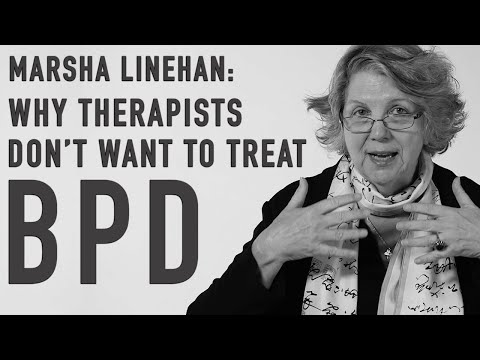
So, let’s talk about BPD. Borderline Personality Disorder, right? It might sound heavy, but hang tight with me.
This blog provides content for informational, educational, and reflective purposes only. The information published here does not constitute medical, psychological, or psychiatric advice, and it does not replace the evaluation, diagnosis, treatment, or individualized guidance of a properly licensed professional. If you believe you may be experiencing a psychological or health-related issue, consult a qualified professional as soon as possible before making important decisions about your well-being. Do not self-medicate or start, stop, or change medications, therapies, or treatments on your own. While we aim to provide useful and accurate information, we do not guarantee that it is complete, current, or suitable for every situation. Your use of this content is at your own risk, and reading it does not create a professional, clinical, or therapeutic relationship with the author or this website.
Look, living with BPD can feel like riding a roller coaster that never stops. The ups are high and the downs… well, they can be pretty tough. You know what I mean?
It doesn’t just mess with you; it affects everyone around you too. Friends, family, even coworkers can get caught in the whirlwind of emotions. Seriously, it can be a whole thing.
But hey, it’s not all doom and gloom. Understanding those toxic effects is key to finding your way through the chaos and reclaiming your peace of mind. So let’s dig in together!
Understanding Borderline Personality Disorder: Take Our Comprehensive BPD Test
Understanding Borderline Personality Disorder (BPD) can feel like a maze sometimes. So, let’s break it down a bit. Basically, BPD is characterized by intense emotions, unstable relationships, and a rocky sense of self. If you or someone you know is dealing with this, it can seriously impact mental health and day-to-day life.
First off, what does having BPD look like? Here are some common symptoms:
- Emotional Instability: Your feelings might swing from extreme happiness to deep sadness pretty quickly.
- Fear of Abandonment: This can make you clingy or cause a lot of anxiety even in safe relationships.
- Unstable Relationships: Friendships or romantic relationships might feel amazing one moment and then be full of conflict the next.
- Identity Issues: A shifting sense of self can leave you questioning who you really are.
- Impulsive Behaviors: You might find yourself making hasty decisions that could lead to risky situations.
Now, let’s not sugarcoat it: living with BPD can be tough. Picture this: you’re feeling on top of the world because your friend just texted you about hanging out. But then suddenly, you start wondering if they really want to see you or if they’ll ditch last minute. The intense fear kicks in, and before long, you’re spiraling into negative thoughts—like a rollercoaster ride that just won’t stop.
Another big aspect is how BPD affects your mental health overall. Imagine how exhausting it is when your emotions are all over the place. It’s like trying to balance on a seesaw—you’re up one moment and crashing down the next. This emotional turbulence can lead to issues like anxiety or depression, making everything feel a hundred times harder.
So, if you’re curious about whether these feelings align with BPD traits, taking a comprehensive test could be helpful. These tests often include questions about your emotional responses and behaviors in different situations. They won’t give you an official diagnosis but can help paint a clearer picture for you.
Being open about BPD also matters—like talking to close friends or seeking support from professionals who get it. Therapy options like Dialectical Behavior Therapy (DBT) have shown promise in helping folks manage their emotions better and improve relationships over time.
In the end, understanding BPD takes time—you know? It’s not an overnight thing. Realizing that what you’re experiencing isn’t just “being dramatic” but an actual condition can be liberating in itself. And remember: no matter how nasty things may seem right now, there’s hope for better days ahead!
How I Overcame Borderline Personality Disorder: My Journey to Healing and Self-Discovery
I can’t say I’ve personally gone through Borderline Personality Disorder (BPD), but I can share a journey from someone who has, and it’s really a raw story of healing and self-discovery. You know, navigating BPD can feel like being on an emotional rollercoaster—full of ups and downs, twists and turns you never see coming.
First off, let’s chat about what BPD really feels like. People with this disorder often struggle with intense emotions, issues with self-image, and that nagging fear of abandonment. Just imagine feeling deeply misunderstood all the time. That’s where many find themselves before they start their journey to healing.
One important step is seeking professional help. It’s kind of like having a compass in the middle of a stormy sea. Therapy forms the core of treatment for BPD. Many folks find Dialectical Behavior Therapy (DBT) helpful—it focuses on building skills to manage those intense emotions. It sounds intense, but basically, it teaches you how to deal with feelings instead of letting them control you. Like learning to swim instead of sinking.
Also crucial is building a support network. Friends or family who get it can make a world of difference. There are moments when everything feels heavy, and having someone listen goes a long way. Real talk: if you can find people who lift you up rather than drag you down, that’s pure gold.
Another piece is practicing self-care. It might sound cliché but think about it: when was the last time you did something just for yourself? Small things add up—like taking walks in nature or diving into your favorite hobby can help ground you during rough patches.
Then there’s the process of self-discovery. This part comes after some healing begins to take root. People often say they start finding out who they are beneath all those intense feelings—like peeling back layers off an onion.
Here’s where it gets real emotional: One person I know talked about finally being able to trust themselves again after years of doubt. They described that feeling as stepping into sunlight after being trapped in shadows for so long—it felt liberating!
Finally, remember that recovery isn’t linear—it twists and turns like life itself! There will be bumps along the way, maybe even slip-ups when old patterns try to sneak back in—and that’s okay! It’s part of learning how to ride those waves without getting wiped out.
So if you’re navigating BPD or supporting someone who is, just know there’s hope out there for healing and growth. Building new pathways takes time but embracing that journey can lead to amazing self-discovery and healthier relationships along the way.
Understanding the Unique Symptoms of BPD in Women: A Comprehensive Guide to Borderline Personality Disorder
Borderline Personality Disorder, or BPD, can feel like a whirlwind of emotions and experiences. When we talk about BPD in women, it’s important to understand that the symptoms can manifest in really unique ways. This can be tough for those affected and their loved ones alike.
So, what does this look like? For women with BPD, emotional instability is a huge part of the picture. One moment you might feel on top of the world, and then something small happens—maybe an offhand comment from a friend—and suddenly it’s like a storm clouds over your head. This intense emotional response can happen for what seems like no reason at all, making things challenging.
Another common symptom is fear of abandonment. If someone close to you doesn’t text back right away or makes plans without you, it might trigger feelings of panic or worthlessness. I remember talking to a friend who described how she felt if her boyfriend didn’t respond immediately to her texts—like he was slipping away. That kind of anxiety can really take over your mind, leading to conflict and misunderstandings.
Impulsive behavior is also something many women with BPD struggle with. You might find yourself making hasty decisions that feel exhilarating in the moment but lead to trouble later—like spending sprees or risky relationships. It’s almost as if that rush feels so good that it overshadows any potential consequences.
- Self-image issues: Women with BPD may have a distorted self-image that changes frequently. One day you might think you’re amazing at your job; the next day, you might feel completely inadequate.
- Intense relationships: Relationships can swing from extreme closeness to vehement disconnection in no time at all. A thoughtless remark could turn someone from your best friend into an enemy overnight.
- Sensitivities: There’s this heightened sensitivity to emotional stimuli—you pick up on slight changes in tone or body language and they hit hard.
The tricky part is that these symptoms don’t just impact how someone feels internally; they also change how they interact with others. Friends and family often don’t know how to respond when emotions run high or when things suddenly go south. This can lead to feelings of frustration on both sides.
Coping strategies are vital here. Therapy options like Dialectical Behavior Therapy (DBT) have shown promise for women with BPD. DBT helps people learn new skills like emotional regulation and interpersonal effectiveness, which can really help manage those overwhelming feelings and improve communication skills.
If someone you love has BPD, supporting them involves patience and understanding—that’s super important! It might not always be easy but knowing more about what they’re going through makes such a big difference.
BPD isn’t just a label; it’s a complex condition affecting many aspects of life for those living with it. Understanding these unique symptoms can pave the way for better relationships and healthier coping mechanisms moving forward.
You know, Borderline Personality Disorder (BPD) can be a real rollercoaster. It’s like being on this wild ride with ups and downs that just don’t seem to end. People with BPD often experience intense emotions, which can impact their relationships and overall mental health. I mean, one minute you might feel on top of the world; the next, you’re spiraling into despair.
I remember talking to a friend who has BPD. He described it like being caught in a storm where everything feels chaotic and overwhelming. He’d find himself getting super anxious or angry over what seemed like small things to others. That intensity can lead to misunderstandings with friends or family who don’t get why he reacts that way. They think he’s just overreacting, but it’s way deeper than that.
The emotional instability is really tough because it makes regulating feelings seem impossible sometimes. Let’s say someone with BPD gets into a little argument—what starts as a disagreement can turn into them feeling completely abandoned or worthless, as if their whole world is crashing down. It’s heartbreaking to watch from the sidelines, honestly.
And then there’s the self-image part of it all. Many folks with BPD struggle with how they see themselves, fluctuating between feeling amazing and then like they’re nothing at all within a matter of moments. You may try to cling onto any sense of identity you can grasp, which can lead to risky behaviors or impulsive decisions as a way of coping.
Therapy plays such an important role in this journey though! Dialectical Behavior Therapy (DBT) has helped many people learn skills for managing those overwhelming feelings and improving relationships. It teaches strategies for mindfulness, distress tolerance, and emotion regulation—kind of like having tools in your toolkit for when things get rough.
But let’s not forget about the stigma surrounding BPD too! It can push people away when they really need support most—a sad irony for sure. That’s why having understanding friends or family can make such a difference in someone’s life.
So navigating the effects of BPD on mental health isn’t easy at all—it takes time and patience, both for those living with it and their loved ones too. It reminds us that empathy goes a long way; we all have our battles, right? If we lean on each other through the stormy patches, it makes navigating life just a bit more manageable.