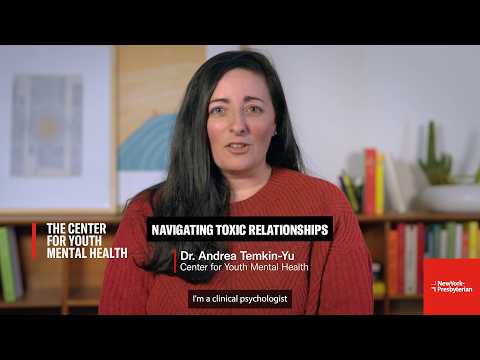
You know that feeling when you’re totally wrapped up in someone? Like, it’s all butterflies and rainbows at first, but then things start to feel… off? Yeah, I’ve been there too.
This blog provides content for informational, educational, and reflective purposes only. The information published here does not constitute medical, psychological, or psychiatric advice, and it does not replace the evaluation, diagnosis, treatment, or individualized guidance of a properly licensed professional. If you believe you may be experiencing a psychological or health-related issue, consult a qualified professional as soon as possible before making important decisions about your well-being. Do not self-medicate or start, stop, or change medications, therapies, or treatments on your own. While we aim to provide useful and accurate information, we do not guarantee that it is complete, current, or suitable for every situation. Your use of this content is at your own risk, and reading it does not create a professional, clinical, or therapeutic relationship with the author or this website.
Toxic romance can sneak up on you. One minute you’re on cloud nine, and the next, you’re questioning your worth. It’s a wild ride that can mess with your head big time.
So let’s chat about it. Seriously, navigating those dark corners of love isn’t easy. You might feel alone or like something’s wrong with you. But it’s so common!
Together, we’ll dive into what makes these relationships tick and how they mess with our mental health.
Understanding the Impact of Toxic Relationships on Mental Health: Key Insights and Strategies
Toxic relationships can really mess with your mental health in ways you might not even recognize. It’s like having a storm cloud hovering over you all the time, pushing you down without you realizing how heavy it is. People often think of toxic relationships as just romantic ones, but they can happen with friends, family, or coworkers too.
So, what makes a relationship toxic? Well, it’s often about manipulation, control, and emotional abuse. For example, if someone constantly puts you down or makes you feel guilty for wanting to spend time with others, that’s not okay. You deserve to be in a space where you feel loved and supported.
The tricky part is that sometimes these toxic patterns creep in so slowly that it’s hard to see them until it’s almost too late. Maybe at first, the other person seems super caring, but then they start isolating you from your friends and family. You might find yourself thinking things like “It’s just a phase” or “They must be having a bad day.” But those “bad days” can stack up into something more serious.
Now let’s talk about some impacts on mental health:
- Anxiety: You could start feeling anxious all the time; like you’re walking on eggshells around that person.
- Low self-esteem: Constant criticism can make you doubt yourself—like you’re never good enough.
- Depression: Feeling trapped in a toxic situation may lead to feelings of hopelessness and sadness.
Picture this: imagine a friend named Sarah. At first, her partner seemed charming and attentive. But eventually, he became overly controlling—monitoring her phone calls and making her feel bad for wanting alone time. Over time, Sarah started feeling anxious at every little disagreement and began doubting her worth. This is how those seemingly small toxic behaviors can build up.
When it comes to strategies for dealing with toxicity, consider setting healthy boundaries. Do things like saying no when someone crosses the line or taking breaks from conversations that get heated. You deserve to put yourself first sometimes!
Another important point is seeking support from people who boost your positivity—friends who remind you how awesome you are! Therapy can also be super helpful; talking things out with someone objective gives clarity.
And remember: walking away doesn’t mean failure—it means self-love! It takes real strength to remove yourself from a situation that’s hurting your mental well-being.
In summary, navigating toxic relationships isn’t easy; it requires awareness and courage. Acknowledging their impact on mental health is the first step toward healing—whether through setting boundaries or seeking support from others who lift you up!
Overcoming Toxic Relationship Trauma: A Comprehensive Guide to Healing and Self-Discovery
Overcoming toxic relationship trauma can feel like climbing a mountain, but trust me, it’s totally possible. You know, many people have been through this and come out the other side stronger. So, let’s break it down together.
First off, it’s really important to recognize what you went through. Toxic relationships often come with manipulation, excessive criticism, and emotional turmoil. You might find yourself questioning your worth or feeling trapped in a cycle of guilt and shame. It’s crucial to accept that those feelings are valid.
Next up is acknowledgment. Start by allowing yourself to feel those emotions without judgment. Maybe you spent months or years feeling inadequate because of your partner’s negative words. That kind of pain can run deep. But remember: it’s okay to feel hurt or angry about it.
Then comes the healing part. Think about self-care as your toolbox for recovery. This could include journaling your thoughts and feelings – seriously, writing things down helps clarify what you’re experiencing. Or maybe try talking to a friend who gets it; just having someone listen can work wonders.
In addition to that, therapy can be super beneficial if you’re ready for that step! A good therapist walks alongside you on your healing journey, helping you untangle the mess in your head and heart.
Now, let’s talk about rebuilding your identity outside of that toxic dynamic. Start exploring hobbies and interests that light you up! Remember when you used to love painting but gave it up? Why not pick that back up? Diving into things that bring joy back into your life is vital for rediscovering who you are beyond the relationship.
Also, consider setting some healthy boundaries moving forward. Boundaries are like fences around your emotional garden – they protect what you’ve worked so hard on growing! This is about learning how to say «no» when something doesn’t sit right with you.
Don’t forget about support networks. Surround yourself with positive influences—friends who lift you up rather than bring negativity into your life. You might also join support groups where others share similar experiences; sometimes just knowing you’re not alone in this struggle makes all the difference.
Lastly, practice patience with yourself during this journey. Healing isn’t linear; it’s messy and unpredictable! Some days will be better than others—maybe you’ll feel empowered one day and completely drained the next—and that’s totally okay!
So yeah, overcoming toxic relationship trauma is deeply personal but also universal in a lotta ways. Take small steps forward each day and give yourself grace as you navigate these shadows towards self-discovery and healing!
Understanding Toxic Romance: Key Questions for Mental Health Awareness
Toxic romance can mess with your head and heart in ways that are tough to spot at first. You think everything’s fine, and then you wake up feeling drained. What gives? Let’s break down some key questions that can help shed light on this tangled web of love gone wrong.
What exactly is toxic romance? Well, it’s a relationship where one or both partners might be emotionally, psychologically, or even physically harmful to each other. You know how sometimes you feel really great around someone, but other times you’re just anxious or upset? That’s a clue.
You know, I’ve seen friends get caught in these cycles where they constantly apologize for their feelings or worry about setting off their partner’s temper. It sucks the joy right outta life!
What about manipulation? This is a biggie. If your partner uses guilt trips or emotional blackmail to get what they want, alarm bells should be ringing! It can leave you questioning your own reality—like you’re losing your grip on what’s normal.
Think back to a time when someone made comments that belittled your interests or achievements. I had this friend who loved painting; her boyfriend would joke about it being “just a hobby.” Over time, she stopped painting altogether because he made her feel like it wasn’t worth anything.
You might wonder: why do people stay in toxic relationships? It often comes down to fear—fear of being alone or thinking they’ll never find someone better. Sometimes there’s also love mixed in that keeps us hanging on even when things are rough.
It’s important to keep checking in with yourself emotionally—like asking if you’re happy most days or if you’re constantly stressed out instead.
So when considering if you’re in a toxic romance, think about the patterns forming over time rather than just one bad incident here and there. And remember: it’s okay to seek help and talk about these things with someone who gets it—like a therapist or trusted friend.
In short? Identify red flags early on and never underestimate the power of healthy communication and mutual respect in any relationship! Seriously! Your mental health matters so much more than staying tied to something unhealthy—don’t forget that!
Let’s talk about toxic relationships for a sec. You know, those romances that seem all glittery on the outside but are, like, totally draining on the inside? It can feel so confusing because, initially, everything is butterflies and rainbows. But slowly, it starts to chip away at your mental health. Trust me; I’ve seen it happen to friends and even felt it myself.
So picture this: you’re super in love, right? Everything feels perfect until those little warning signs start creeping in. Maybe your partner makes little jokes that sting or gets jealous out of nowhere. At first, you laugh it off. “Oh, they just care about me!” But as time goes by, those jokes start hurting more than they used to, and your self-esteem takes a nosedive.
Now here’s the real kicker: being in a toxic relationship can seriously mess with your head. Anxiety sneaks in when you’re tiptoeing around their moods or feeling anxious about what to say next. You might feel like you’re walking on eggshells all the time, trying not to trigger them or make things worse.
I remember a friend of mine who was in one of these situations. She loved being with her partner but ended up feeling way more alone than before they met. It was like she lost herself trying to keep him happy while ignoring her own needs. Honestly? It broke my heart seeing how much she struggled.
And then there’s the guilt that creeps in when you try to think about leaving—or even just setting boundaries. You get tangled up in this web of feeling responsible for their happiness while neglecting your own well-being.
But here’s the thing: recognizing you’re in a toxic romance doesn’t mean you’re weak or that you failed at love; it just means you’re human! Figuring out what’s healthy for you means understanding yourself better and recognizing what love should really feel like—supportive and uplifting instead of heavy and suffocating.
Recovery takes time after you break free from something like this—it’s not just an instant fix where everything goes back to normal overnight. It can be a bit messy as you work through feelings of anger, sadness, or even guilt for wanting better for yourself.
That said—if you’ve ever found yourself tangled up in this kind of relationship (or are navigating those waters now), know that you’re not alone! And reaching out for support can make a world of difference—whether that’s talking things out with friends or seeking professional help.
In the end? Your mental health matters more than any fleeting romance ever could! So pay attention to those shadows—they might just be trying to tell you something important about who deserves space in your heart!