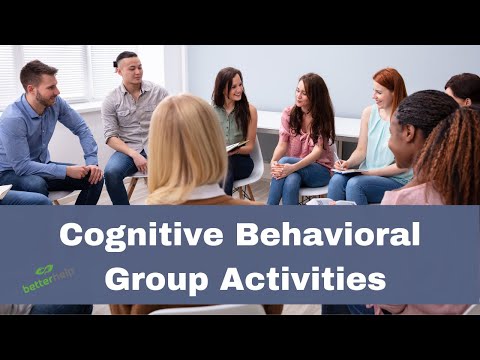
So, you’ve heard about CBT, right? Cognitive Behavioral Therapy? It’s all the rage nowadays. You know, it’s that therapy style that helps you change the way you think and feel about stuff. Pretty cool, huh?
This blog provides content for informational, educational, and reflective purposes only. The information published here does not constitute medical, psychological, or psychiatric advice, and it does not replace the evaluation, diagnosis, treatment, or individualized guidance of a properly licensed professional. If you believe you may be experiencing a psychological or health-related issue, consult a qualified professional as soon as possible before making important decisions about your well-being. Do not self-medicate or start, stop, or change medications, therapies, or treatments on your own. While we aim to provide useful and accurate information, we do not guarantee that it is complete, current, or suitable for every situation. Your use of this content is at your own risk, and reading it does not create a professional, clinical, or therapeutic relationship with the author or this website.
But here’s the kicker: doing it in a group setting can be even more powerful. Like, imagine chatting with others who totally get what you’re going through. Seriously, there’s something magical about sharing experiences and insights.
In this little chat, we’ll dive into some fun and effective CBT group exercises. The kind that can make you go “Oh wow, I never thought of it like that!” Plus, they’re designed to boost your mental health in a supportive way. So stick around! You might just find something that clicks for you or a friend who needs it.
Engaging Mental Health Group Therapy Activities for Adults: Downloadable PDF Guide
Mental health group therapy can be a game changer. Seriously, it’s like finding your tribe when you’re going through tough times. And one effective approach in these settings is **Cognitive Behavioral Therapy (CBT)**. CBT helps people learn how to recognize and change negative thoughts and behaviors. So when we talk about engaging group therapy activities, we’re really discussing ways to apply CBT principles in a supportive group environment.
You might be wondering what kinds of activities could work in this setting. Well, here are some engaging exercises that can spark meaningful conversations and connections.
- Thought Record Exercises: Group members can keep a weekly thought log where they write down negative thoughts, emotions tied to those thoughts, and potential alternative thoughts. It’s like sharing your mental baggage but with the goal of lightening the load together.
- Role-Playing Scenarios: Members take turns acting out different situations that trigger stress or anxiety. This can help provide perspective on their feelings and encourage them to consider healthier responses.
- Gratitude Sharing: Each person can share something they’re grateful for during each session. It’s a great way to start on a positive note and help everyone focus on the good stuff—even when things are tough.
- Mood Charts: Group members can create mood charts showing their emotional ups and downs throughout the week. Discussing these charts in the group can prompt conversations about coping strategies.
- Goal Setting Workshops: Everyone sets personal goals, big or small, for the upcoming week or month. Then in following sessions, you check-in on progress. It’s motivating to celebrate those little wins together!
Now let me tell you about something I witnessed during one of these sessions. There was this guy, Mark—totally relatable—and he struggled with feeling overwhelmed by stress from work. During one role-playing exercise, he acted out how he usually responded to stressful scenarios versus a healthier approach he’d been learning about through CBT techniques. The room erupted with laughter at some points but also went quiet as everyone recognized pieces of themselves in him.
So seeing Mark’s transformation unfold was inspiring! It nudged others to open up too; suddenly it wasn’t just him feeling vulnerable—it was like they all shared this safe space that allowed growth.
Engaging activities make group therapy come alive! They provide everyone involved with real-life tools to cope better while also fostering connection among participants—like you’re all working towards healing together rather than alone.
When implementing these exercises, remember it’s about creating an environment where everyone feels safe sharing their experiences without judgment. This supportive atmosphere is key for effective learning and growth within the group dynamic.
In short, using group activities grounded in CBT principles can lead to profound changes for individuals struggling with mental health challenges. And when done right? Well, it can create lasting friendships along the way too!
Effective CBT Group Therapy Activities: Downloadable PDF for Enhanced Mental Health
Cognitive Behavioral Therapy (CBT) has become quite a popular way to tackle mental health challenges. It’s all about changing unhelpful thought patterns and behaviors, and group therapy can really amplify these benefits. So, if you’re looking into some effective CBT group therapy activities, you’re in the right place.
Think about this: when you’re in a group setting, you get to bounce ideas off each other. You learn from others’ experiences and can feel less alone in your journey. That’s powerful stuff! Here are some activities that can really make a difference:
These activities encourage sharing and discuss real-world application of techniques learned in therapy sessions. For instance, imagine someone shares how a thought record helped them reframe negative self-talk; it could inspire others to give it a shot.
Now, when organizing these activities within a group setting—there should be emphasis on creating a safe environment where everyone feels comfortable sharing without judgment. That’s key!
Finally, many therapists provide downloadable PDFs with structured exercises for participants to use outside of sessions. This way you have something tangible to take home—a little reminder that you’re not alone in this journey.
So yeah, integrating these group exercises not only enhances the learning experience but also builds connection among participants—a crucial element for enhanced mental health support!
Essential CBT Techniques: Downloadable PDF Guide for Effective Mental Health Strategies
Cognitive Behavioral Therapy, or CBT for short, is like a toolkit for your mind. It helps you figure out those negative thought patterns that can mess with your mood and behaviors. If you’re looking for effective mental health strategies, you might come across some essential CBT techniques. Let’s break those down.
One of the core ideas in CBT is that our thoughts, feelings, and behaviors are all connected. If you change one of these, the others can change too. For example, if you often think «I can’t do anything right,» it’s likely to make you feel down and not motivated to try new things. Recognizing that thought as unhelpful is the first step.
There are several techniques used in CBT that can be super helpful:
- Thought Records: This involves writing down negative thoughts and challenging them. You might jot down a thought like «I always mess up.» Then, challenge it by listing evidence against it: “I did well on my presentation last week.” This helps in seeing things more clearly.
- Cognitive Restructuring: Similar to thought records but more focused on changing the thought itself. You identify irrational beliefs and reframe them into something more positive or realistic. For instance, instead of «I’m a failure,» you could say «I’ve faced challenges that I learned from.»
- Behavioral Activation: This technique encourages getting active again after feeling low. It might mean setting small goals like going for a walk or calling a friend when you’re feeling down.
- Exposure Therapy: If you’re dealing with anxiety about specific situations (like public speaking), this gradual exposure can help. You’d start with something less intimidating—maybe talking to a friend—and work your way up.
- Mindfulness Techniques: These involve being present in the moment without judgment. Practicing mindfulness can help reduce stress and anxiety by focusing on what’s happening right now instead of worrying about the future.
Now, here’s where it gets interesting—CBT isn’t just something you do alone; it works great in group settings too! Group exercises can reinforce those skills while providing support from others who get what you’re going through.
Imagine this: You’re part of a group session where everyone shares their challenges and how they tackle negative thoughts. You might hear someone say they use thought records to deal with perfectionism. That insight could inspire you to try it yourself.
Another powerful group exercise is role-playing scenarios that trigger anxiety or fear, allowing members to practice responses in a supportive space. This builds confidence and helps everyone learn from each other.
So if you’re thinking about downloading a PDF guide on effective mental health strategies related to CBT techniques, look for resources that include exercises like these—it’ll make the learning process much richer.
The bottom line? Whether you’re navigating tough feelings alone or in a group setting, using these essential CBT techniques can give you solid tools for making meaningful changes in your life!
Cognitive Behavioral Therapy, or CBT, is one of those approaches that’s really made a splash in the mental health world. It focuses on how our thoughts influence our feelings and behaviors. And honestly, it’s kinda cool how a shift in perspective can bring about real change. When you throw group exercises into the mix, it can become even more powerful.
I remember a time when I participated in a CBT group session for anxiety. At first, I was skeptical. Like, what could a bunch of strangers teach me? But wow, I realized we were all dealing with similar stuff. Just being in that room felt like a weight lifted off my shoulders. We’d share our experiences and realize we’re not alone—totally validating.
So let’s talk about some effective group exercises you might come across in these sessions because they’re pretty impactful. One exercise involves everyone writing down negative thoughts on sticky notes and then placing them on an “anxiety board.” It sounds simple, but it’s powerful to see your worries written out and shared among the group. You start to recognize patterns and triggers together.
Another fave is role-playing scenarios that cause anxiety or discomfort—yikes! But think about how safe it feels when everyone’s there to support you. For example, practicing difficult conversations or confronting fears can be way easier with friends around who are cheering you on.
Then there’s the classic “thought-challenging” exercise. Here’s how it goes: you pick someone’s negative thought from the sticky notes and help them reframe it together. It fosters this amazing camaraderie, like «Hey, I’ve got your back!» You learn to challenge those pesky thoughts together, which makes a big difference outside the session too.
And let’s not forget mindfulness activities! Sometimes groups will take time to breathe together or meditate briefly at the start of each session—it sets the tone. It feels grounding and really helps everyone connect before diving into tougher discussions.
So yeah, these exercises aren’t just activities; they’re moments where people bond over shared vulnerabilities and build each other up. There’s something magical about realizing others feel what you feel; it kinda sparks this hope that maybe things can get better together. If you think about it, mental health doesn’t have to be such an isolating journey; it can be truly enriching with others by your side!