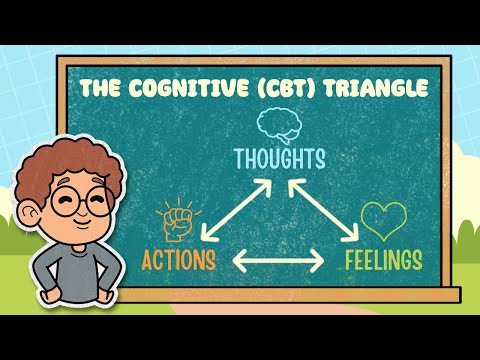
Hey! You know, there’s this thing called CBT, right? Cognitive Behavioral Therapy. It’s like a super practical way to tackle your thoughts and feelings.
This blog provides content for informational, educational, and reflective purposes only. The information published here does not constitute medical, psychological, or psychiatric advice, and it does not replace the evaluation, diagnosis, treatment, or individualized guidance of a properly licensed professional. If you believe you may be experiencing a psychological or health-related issue, consult a qualified professional as soon as possible before making important decisions about your well-being. Do not self-medicate or start, stop, or change medications, therapies, or treatments on your own. While we aim to provide useful and accurate information, we do not guarantee that it is complete, current, or suitable for every situation. Your use of this content is at your own risk, and reading it does not create a professional, clinical, or therapeutic relationship with the author or this website.
And guess what? Homework in therapy isn’t just for school. Seriously, those worksheets can be game-changers. They’re designed to help you dig deeper into your emotions.
When you give them a shot, it’s like having a personal coach for your mental health. You might even surprise yourself with what you discover! The beauty is, they’re all about growth and making life feel a bit lighter.
So let’s talk about some effective CBT homework worksheets that can seriously boost your journey. Sound good?
Download Free CBT Worksheets PDF: Enhance Your Mental Health Skills Today!
If you’ve been hearing about CBT, or Cognitive Behavioral Therapy, and wondered how it all works, you’re not alone. It’s a big deal in the mental health world. Basically, it helps folks understand their thoughts and feelings to change their behavior for the better. If you want to improve your mental health skills, those worksheets are a lifesaver!
What Are CBT Worksheets?
They’re tools you can use by yourself or alongside therapy. These pages usually include exercises that guide you through different concepts of CBT. You’ll find stuff like identifying negative thoughts, tracking emotions, or setting goals. And trust me when I say they can be really empowering.
So let’s say you’re having a tough day. You might use a worksheet that asks you to write down what you’re thinking—like “I’m such a failure.” Then the worksheet helps you challenge that thought by asking what evidence supports it and what doesn’t. Suddenly, you see the other side: maybe you messed up one little thing but aced other areas too! This process helps create balance in your mind.
Types of CBT Worksheets
You can find various worksheets focused on different concerns:
- Cognitive Restructuring: This is about changing negative thought patterns.
- Behavioral Activation: Helps encourage positive actions even when you’re feeling low.
- Thought Records: Great for tracking how certain thoughts influence your emotions.
- Goal Setting: A way to break down bigger goals into manageable steps.
Each type serves its purpose and fits different stages of emotional growth.
Where to Find These Worksheets?
You might want to search online for free PDF downloads. Many websites dedicated to mental health offer these resources—you just need to look around a little bit! Make sure the site feels trustworthy; reputable organizations often provide good materials.
Now, don’t forget that filling out these worksheets isn’t just busywork. It’s more like taking a step back and looking at your mental landscape. It can feel kind of weird at first—like trying on shoes that don’t quite fit—but in time, they could become super handy tools in your emotional toolbox.
The Bottom Line
CBT worksheets are more than just PDFs to print out; they’re invitations to explore and enhance your understanding of yourself and your behaviors. They give structure when things feel chaotic in our heads! So grab some free ones and start working on those skills today—you might surprise yourself with how much clarity they bring!
Comprehensive CBT Worksheets for Adults: Downloadable PDF Resources for Enhanced Mental Health
Cognitive Behavioral Therapy, or CBT for short, is a popular approach in the mental health world. It’s all about helping you change unhelpful thinking patterns and behaviors. If you’re diving into this therapy, you might have come across worksheets. These are handy tools for enhancing your journey. They can help cement what you learn in therapy and give you a way to practice outside of those sessions.
So what exactly are these worksheets? Well, they cover a range of topics. For instance, they might help you identify negative thoughts or track your moods over time. Tracking your feelings can shed light on patterns that aren’t serving you well. When you jot down when you’re feeling low or anxious, it could show connections to specific situations or thoughts.
You know how sometimes it feels like a wave of emotions just hits out of nowhere? That’s where worksheets come in handy. They often guide you through exercises like thought records. This helps you analyze and challenge those pesky negative thoughts.
What’s cool is that this process makes you really think about whether those thoughts are true or just automatic reactions.
Another interesting part is behavioral experiments. They encourage you to test out new behaviors in real life while keeping track of the results on your worksheet. It’s like science meets personal growth! Maybe you’re anxious about social situations; a worksheet could guide you through small steps to engage more with others and reflect on how it went afterward.
And hey, if you’ve ever felt overwhelmed by knowing where to start, there are plenty of downloadable PDF resources available online. Many therapists even provide their own versions tailored for different issues—like anxiety or depression—which can make things even more relatable.
You know what else? Worksheets can help build self-compassion too! There are ones dedicated to fostering kindness toward yourself when things get tough. It might ask questions like “What would I tell a friend who feels this way?”—and guess what? You often end up being way kinder to yourself than you’d expect.
In short, CBT worksheets can be a fantastic supplemental tool for adults working on their mental health. They offer structure and guidance while allowing personal exploration at the same time; it’s that sweet spot where self-discovery meets skill-building.
So if you’re contemplating diving deeper into CBT or just want some extra support outside sessions, consider incorporating these worksheets into your routine; see how they resonate with your journey!
Essential CBT Techniques: Download Your Free PDF Guide
Cognitive Behavioral Therapy, or CBT, is a popular approach in mental health that helps you understand and change negative thought patterns. It’s like having a friendly guide that shows you how your thoughts influence your feelings and behaviors. Pretty neat, huh?
One of the key parts of CBT is the homework assignments. Yeah, I know, homework sounds tedious, but here it’s vital for real change. It involves doing exercises outside of therapy sessions to reinforce what you learn. Think of it as practice for your mind.
Here are some essential CBT techniques you might come across:
- Cognitive Restructuring: This is about identifying negative thoughts and replacing them with more balanced ones. Imagine you’re constantly thinking “I’m a failure.” You’d challenge that by asking yourself for evidence—have you really failed at everything?
- Behavioral Activation: When you’re feeling low, it can be super tempting to just stay in bed all day. This technique encourages you to do activities that bring you joy or a sense of accomplishment, even when you don’t feel like it.
- Thought Records: These are worksheets where you jot down a distressing thought, examine the evidence for and against it, and come up with a more realistic perspective. It’s like having a mini debate with yourself!
- Exposure Therapy: Don’t let the name scare you! It’s about gradually facing fears in a controlled way. If you’re afraid of public speaking, this could mean starting small—like practicing saying something in front of a friend.
- Mindfulness Techniques: These help ground you in the present moment. Whether it’s through breathing exercises or meditation, mindfulness can reduce anxiety by steering your focus away from overwhelming thoughts.
Now here’s where it gets personal: imagine Sarah, who always felt anxious when speaking up at work. She started using thought records during CBT sessions to challenge her beliefs like “Everyone thinks I’m dumb.” By facing those feelings head-on through real practice—like speaking up once during meetings—she began to see herself in a new light.
So if you’re diving into CBT worksheets and assignments, remember—they’re not just tasks; they’re tools for growth! And while downloading free resources can be helpful, what’s crucial is actively engaging with them.
Ultimately, think of CBT as training your brain to work for rather than against you. With time and practice (yes, even if it feels like homework), you’ll likely notice some shifts in how you think and feel about yourself and the world around you!
Okay, let’s talk about CBT, or Cognitive Behavioral Therapy, and those homework worksheets that come with it. You know, therapy can sometimes feel like climbing a mountain. You’re working hard to understand yourself better and tackle those pesky thoughts that mess with your head. But here’s the thing: the real magic often happens outside the therapy room too.
I remember when my friend tried CBT. She was really struggling with anxiety and was kind of floating around in her own thoughts all the time—not a fun place to be. The therapist handed her these worksheets to fill out; I thought they looked like homework from high school! But, wow, she started making some serious progress.
These worksheets serve as tools—think of them like a friendly guide on your path to understanding your feelings and behaviors. They help you identify negative thought patterns. Like, say you constantly think you’ll mess up at work? There’s a worksheet for that! It asks questions that make you stop and think. “What evidence do I have for this thought?” or “Is there another way to look at this situation?” So simple yet so powerful!
They often include exercises like keeping track of your thoughts or rating your mood through the week. This can feel tedious at first, but once you get into it—you start seeing patterns! That’s when things get interesting because you’re taking control of what you usually let float around in your mind.
And here’s the kicker: it’s about practice. You wouldn’t expect to become a pro soccer player just by watching games on TV, right? The same goes for mental health growth through CBT; it takes time and consistent effort. Those worksheets are basically like training drills for your mind.
But hey, it’s not just about writing stuff down; it’s also about being kind to yourself during this process. You might not see instant changes—some days feel heavy and confusing—but that’s totally okay! Stick with it, keep filling out those sheets, even on days when motivation feels low.
A lot of people find that after doing their «homework,» they have more insightful conversations with their therapist too. You walk in with something tangible to discuss rather than just saying everything’s fine when it isn’t.
So yeah, it’s a journey—sometimes messy but always worthwhile! If you’re diving into CBT or considering giving it a go, embrace those worksheets! They’re more than just papers; they’re stepping stones toward understanding yourself better and growing mentally healthier in the long run.