Hey! Have you ever thought about how our brains change as we get older? I mean, it’s wild, right? You might notice some little things slipping your mind or finding it tougher to focus.
This blog provides content for informational, educational, and reflective purposes only. The information published here does not constitute medical, psychological, or psychiatric advice, and it does not replace the evaluation, diagnosis, treatment, or individualized guidance of a properly licensed professional. If you believe you may be experiencing a psychological or health-related issue, consult a qualified professional as soon as possible before making important decisions about your well-being. Do not self-medicate or start, stop, or change medications, therapies, or treatments on your own. While we aim to provide useful and accurate information, we do not guarantee that it is complete, current, or suitable for every situation. Your use of this content is at your own risk, and reading it does not create a professional, clinical, or therapeutic relationship with the author or this website.
But here’s the good news: cognitive assessment tests can help. Seriously! These tests aren’t just for kids or folks trying to get into college. They’re a game-changer for seniors, too.
Imagine having a tool that helps keep your brain sharp and boosts your mental health. Sounds pretty cool, huh? Let’s dig into how these assessments can make a real difference in enhancing mental well-being for older adults.
Understanding Cognitive Tests for Seniors: Evaluating Mental Health in Those Over 70
Cognitive tests for seniors are super important when it comes to understanding mental health, especially for folks over 70. As we age, our brains go through changes, and sometimes those changes can affect memory, thinking, and overall mental well-being. So, let’s break it down.
What Are Cognitive Tests?
These tests are basically assessments designed to measure different aspects of brain function. This includes things like memory, attention span, problem-solving skills, and language abilities. They’re helpful tools that give healthcare professionals a picture of a senior’s cognitive health.
Why Are They Important?
You might be wondering why these tests even matter. Well, they can help identify issues like Alzheimer’s or other forms of dementia early on. Early detection is key! It allows for intervention strategies that can improve quality of life and help families prepare for what’s ahead.
Types of Tests
There are various cognitive tests out there tailored for seniors. Here are a few examples:
- The Mini-Mental State Examination (MMSE): This is one of the most commonly used tests. It involves tasks like repeating words or recalling information.
- The Montreal Cognitive Assessment (MoCA): This one’s a bit more comprehensive and can detect mild cognitive impairment.
- The Clock Drawing Test: A simple yet effective way to assess spatial awareness and executive function by asking someone to draw a clock showing a specific time.
Each test has its own focus but ultimately aims to gauge how well the brain is working.
How Are They Administered?
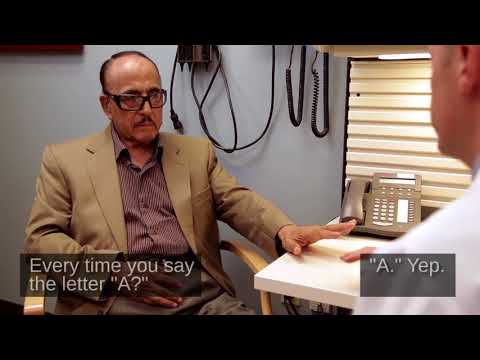
These assessments usually take place in a doctor’s office or sometimes even at home—with qualified professionals guiding the process. The atmosphere is often relaxed so that seniors feel comfortable answering questions and engaging in tasks.
The thing is, seniors might feel anxious about being evaluated. A friendly approach helps ease those nerves. And believe me, the results aren’t meant to label anyone but rather to highlight areas where someone might need support.
The Role of Family
Family plays an essential part in this whole process too! Encouraging loved ones to undergo testing can be tough but really important. Sometimes families notice changes in their aging relatives that the person themselves might not see as concerning.
When families support seniors through testing, it creates an open dialogue about mental health—something that shouldn’t be taboo at any age!
In essence, cognitive tests for seniors are vital tools in evaluating mental health as we get older. They provide insights into cognitive functioning while paving the way for better care options if needed. Just remember; staying informed about these assessments means nurturing both brain health and overall well-being as we navigate our golden years together!
Discover the Surprising Habit Linked to Increased Dementia Risk
So, let’s talk about something that’s been on the radar lately—dementia risk. It’s really heavy stuff, but there’s a surprising habit that researchers have connected to an increased risk of developing dementia: social isolation. Yup, the more alone you are, the more likely it is that your brain may end up taking a hit as you age.
Studies show that when people don’t engage with others regularly, their cognitive health can decline faster. Think about it! When you’re chatting with friends or even just listening to someone tell a story, your brain is working—making connections, recalling memories, and staying sharp.
Now, what’s interesting is that this isn’t just about physical interactions. In today’s world where technology connects us all—like video calls or social media—if you’re still feeling isolated despite those options, it can still negatively impact your mental health.
The thing is, socializing doesn’t have to mean huge gatherings or parties. Even small interactions can do wonders. This could be something as simple as:
- Grabbing coffee with a neighbor.
- Joining a book club.
- Volunteering at a local charity.
It all boils down to keeping those connections alive and thriving. A little anecdote here: my grandmother used to play cards every Tuesday with her friends. I swear it was like magic for her mind! She stayed engaged and sharp until her late nineties.
But back to the serious stuff—cognitive assessment tests can help track how well seniors are doing mentally. Think of them like check-ups for your brain. They assess memory, thinking skills, and even mood levels. Regular testing can help identify early signs of cognitive decline and allow for early interventions.
Cognitive training exercises are also beneficial—they give your brain a workout! Engaging in puzzles or games strengthens those neural pathways.
In light of all this, connecting socially while also being proactive about tracking mental health should really be part of regular routines for older adults—or really anyone looking out for their cognitive future! The bottom line? Stay social and keep that brain buzzing—you’ll thank yourself later!
Unveiling the 5-Word Memory Test for Seniors: A Simple Guide
The 5-Word Memory Test is a neat little tool that helps you check out how well someone can remember stuff. It’s especially useful for seniors, just to make sure everything’s working as it should be in that lovely noggin of theirs.
So, what is this test all about? Basically, the idea is pretty simple. You pick five random words and ask the person to remember them. After a brief distraction—like talking about the weather or asking them about their favorite memory—you then ask them to recall those words. Sounds easy, right? But it really gives insight into someone’s memory function.
Why does this matter? Well, memory problems can be one of the early signs of conditions like dementia or Alzheimer’s disease. By doing these simple tests regularly, you might spot any changes in memory that could indicate a need for further evaluation.
Here’s how you can conduct it:
- Choose five unrelated words. Think of something like “apple,” “car,” “pencil,” “chair,” and “river.”
- Ask the person to repeat them. This way, you’re starting off on the right foot.
- Distract for a bit. Talk about light topics or ask some casual questions.
- Ask them to recall those words. Did they remember all five? This will help gauge their immediate recall vs. delayed recall ability.
It’s also essential to keep it light—to use a kind tone and avoid putting pressure on anyone. If they’re struggling a bit, don’t jump down their throat; just encourage them gently. Sometimes people feel anxious about tests whether they’re formal or not.
And here’s something cool: It’s been shown that engaging in cognitive activities can help keep your brain healthy as you age. So if this test seems easy-peasy at first, consider mixing things up! You could change the number of words or use different types of words to make it more engaging.
Incorporating this kind of testing into regular chats with seniors can open up conversations about other aspects of mental health too. You know? Like discussing feelings around remembering things or sharing stories that might have evoked some sweet nostalgia.
It may seem small but keeping track of memory gets more critical as people age. There are plenty of tests out there besides just this one—like word recall tasks or even puzzles—that can help keep minds sharp and spirits high.
But honestly, the heart behind these assessments is care and connection—not just numbers on a page—but making sure our loved ones feel supported throughout their aging journey.
Cognitive assessment tests might sound super clinical, but they can actually play a really important role in mental health for seniors. Picture a grandparent, maybe your own or someone else’s, sitting down at the kitchen table with you. They’ve got that twinkle in their eye, but sometimes you notice them struggling to remember where they put their glasses or mixing up stories from their past. It’s not uncommon as we age to run into these little hiccups, right?
So, cognitive tests are like a gentle check-up for the brain. They help professionals figure out what’s going on up there—even if it’s just normal aging or something more serious, like dementia. The beauty of these tests is that they can map out strengths and weaknesses. That way, if a senior is having trouble with memory or problem-solving skills, it opens the door for support and strategies that can actually make a difference.
I remember talking to my friend whose grandmother had been feeling confused and anxious about her forgetting things—like appointments or even faces sometimes. It was hard for her family to watch. But after some assessments showed she was dealing with mild cognitive impairment instead of full-on dementia, they felt relieved. They could get her the right kind of help! Therapy focused on memory exercises and even medication when necessary gave her clarity on better days.
Plus, doing these assessments often leads to conversations about mental health that families might not otherwise have. You know? Like breaking the ice about emotions tied to aging and how it can be pretty tough sometimes. Seniors need that space to express feelings—frustration over changes in their abilities or fear of being seen as “less than.”
Honestly, enhancing mental health through cognitive assessments isn’t just about numbers and results; it’s about empowering seniors to live fully and engage in their lives without fear or stigma around their brain health issues. It’s like giving them a sturdy walking stick when they’re feeling wobbly—it helps them navigate this stage of life with confidence and hope! Anyway, that’s what it’s all about: connecting people with care while embracing life’s challenges together.