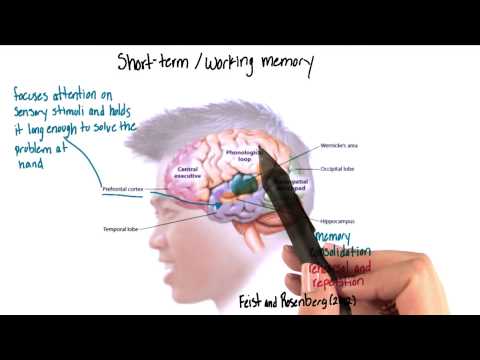
You know how sometimes you walk into a room and totally forget why you went in there?
This blog provides content for informational, educational, and reflective purposes only. The information published here does not constitute medical, psychological, or psychiatric advice, and it does not replace the evaluation, diagnosis, treatment, or individualized guidance of a properly licensed professional. If you believe you may be experiencing a psychological or health-related issue, consult a qualified professional as soon as possible before making important decisions about your well-being. Do not self-medicate or start, stop, or change medications, therapies, or treatments on your own. While we aim to provide useful and accurate information, we do not guarantee that it is complete, current, or suitable for every situation. Your use of this content is at your own risk, and reading it does not create a professional, clinical, or therapeutic relationship with the author or this website.
Yeah, that’s short-term memory for you. It’s like your brain’s little sticky note, holding onto info just long enough for you to use it.
But what about when that sticky note starts to fade? Or worse, it just disappears completely?
That can really mess with your day-to-day life.
In psychology and mental health, understanding short-term memory isn’t just about remembering where you left your keys. It goes way deeper than that.
So let’s chat about what it all means. You follow me?
Effective Techniques for Testing Short-Term Memory in Psychology
When it comes to testing short-term memory, psychologists have developed a bunch of pretty effective techniques. Short-term memory is that nifty little system in your brain that holds onto information for just a brief moment—like remembering a phone number long enough to dial it.
One common method is the **Digit Span Test**. Basically, you hear a series of numbers and then repeat them back in the same order. If you ace that, they might ask you to recall them in reverse order. It’s like a little brain workout!
Another technique is the **Word List Recall**. In this one, you’re given a list of words to memorize for a short time—maybe around 20 seconds—and then asked to write down what you remember. This can be tricky because the number of words can vary each time, keeping your brain guessing.
Then there’s **The Corsi Block-Tapping Test**, which focuses on visual-spatial memory. You’ve got blocks arranged in certain patterns, and the person running the test taps on some of them. Your job? To tap them back in the same sequence! It’s like playing Simon Says but for your brain.
Making it fun can also help with retention! Some psychologists use games or creative tasks instead of standard tests. Think about scenarios where people have to remember where items are hidden or even play memory games with cards that flip over.
Another interesting method called **Immediate Free Recall** involves giving someone information immediately after they learn it and seeing how much they can recall without prompts or cues. It’s raw and real-time, so it shows how effective their short-term memory really is.
Each technique has its pros and cons, depending on what exactly you’re looking for: attention span, retention rate, or even areas affected by certain mental health issues like anxiety or ADHD.
So yeah, when assessing short-term memory in psychology and mental health settings, these techniques are both varied and practical! All designed to help understand how people process information in those fleeting moments before it’s gone into the vast unknown of long-term storage—or entirely forgotten!
Step-by-Step Guide: How to Get Tested for Short-Term Memory Loss Effectively
Getting tested for short-term memory loss can feel overwhelming, right? You’re not alone in that. It’s super important to understand what’s going on in your head. Here’s how you can approach the whole process effectively.
First off, think about why you’re noticing problems with your memory. Are there specific situations where things slip your mind? Like forgetting where you put your keys or struggling to remember a conversation from earlier in the day? Jotting these thoughts down can help when you talk to a pro later on.
Next, it’s time to reach out for help. You’ll want to set up an appointment with a healthcare provider who specializes in memory issues. This could be a neurologist, a psychologist, or even a primary care doctor. When you call, let them know you’re concerned about short-term memory loss, so they know what to prepare for.
Before your appointment, it might be useful to gather some information about your medical history. Consider these points:
- Any previous health issues: Have you ever had head injuries or neurological problems?
- Medications: Make a list of any meds you’re on; some can affect memory.
- Family history: Are there any relatives with similar issues?
During the appointment, don’t be shy about sharing what you’ve observed. It helps if you’re honest and thorough—this is your chance to get answers! The provider will likely ask questions about everyday tasks and behaviors. They may also give you some standardized tests to assess memory function.
These tests can vary but commonly include tasks that measure how well you can remember names or repeat lists of words shortly after hearing them. It might seem kind of silly at first, but these evaluations are crucial in gathering data.
Once the testing is done, the healthcare provider will review everything with you—how well did you perform on those tasks? They’ll explain what those results could mean and discuss any next steps if there are concerns.
If it turns out that there really is an issue with short-term memory function, don’t panic! There could be various reasons behind it—from stress and depression to more serious conditions like Alzheimer’s disease or other forms of dementia. The key thing is that you’ll have clarity now and can explore options for treatment or management.
Also, take care of yourself in the meantime! Engage in brain-stimulating activities like puzzles and reading to help keep your mind sharp while navigating this journey.
So remember: staying informed and proactive about your health is always worthwhile! Trust the process—it may take time but understanding what’s happening is vital for finding ways forward that work for you.
Understanding Short-Term Memory Assessment in Psychology and Mental Health: A Comprehensive Guide (PDF)
Understanding short-term memory assessment in psychology is pretty crucial, especially in mental health settings. You might be thinking, what even is short-term memory? Well, it’s that part of your brain that holds onto information temporarily—like when you need to remember a phone number just long enough to dial it. If you’ve ever forgotten something right after hearing it, you’re aware of how this works.
Assessing short-term memory can involve several methods. Basically, these assessments help psychologists figure out how well someone’s memory is functioning. Here are some key points about this process:
- Memory Span Tasks: This involves repeating back a series of numbers or words in the same order they were given. You know how when someone says a number and you have to hold it in your mind for a second? It’s kind of like that.
- Working Memory Tests: These tests assess how well you can hold onto information while manipulating it—think doing math problems in your head while remembering the numbers!
- Immediate Recall Tasks: Participants are asked to remember lists of words or sentences after hearing them just once. It’s like when you read a grocery list quickly before heading into the store.
Now, why does this matter? Well, short-term memory plays a big role in everyday life. If you’re struggling with it, it could indicate certain mental health issues or cognitive decline. It’s not unusual for things like anxiety or depression to mess with your ability to focus and retain information, which is where these assessments come into play.
Let me share an example: Imagine Sarah, who used to ace her exams but recently finds herself forgetting details during conversations or losing track of tasks at work. After some evaluation by her therapist using those memory span tasks I mentioned earlier, they discover that Sarah’s short-term memory isn’t as sharp as it used to be. This revelation helps guide her treatment plan.
Ultimately, understanding these assessments can lead to better interventions and support for those struggling with their mental health. Short-term memory isn’t just about storage; it’s about how we navigate our daily lives and relationships too! So if you ever feel like your memory’s slipping away—it might be worth talking about with someone who gets it.
Short term memory, huh? It’s one of those things we take for granted until, well, we forget where we put our keys or why we walked into a room. Seriously, it’s like a little mental sticky note that helps us keep track of stuff in our heads for a short while. You only hold onto that information long enough to use it—like when you’re trying to remember a phone number just long enough to dial it.
In psychology, assessing short term memory is pretty crucial. Psychologists often use specific tests to see how well someone can hold and manipulate information. Think about it: what if someone’s memory isn’t working properly? That can mess with their everyday life big time. For instance, I have this friend who was always losing his train of thought during conversations. We’d be talking about something funny from last week, and poof! He’d go blank. Turns out, he was dealing with anxiety that made his mind race and scramble things up.
When you assess short term memory, you’re not just looking at how many numbers someone can repeat back. You’re diving deeper into how they process info and cope with daily challenges. That means if someone struggles here, it could hint at underlying issues—like stress or even more serious conditions like ADHD or Alzheimer’s.
And let’s be real; the world keeps throwing distractions at us all the time! So if your short term memory isn’t on point? It can feel overwhelming. You might forget simple things like a coworker’s name or what you were supposed to grab from the store—extra frustrating when life’s already chaotic!
Overall, understanding short term memory is essential not just for psychologists but for anyone trying to navigate life’s little hurdles. It gives insight into how our minds work and highlights areas where support might be needed. Whether it’s through therapy techniques or simple lifestyle changes—addressing those struggles can lead to better mental health overall!