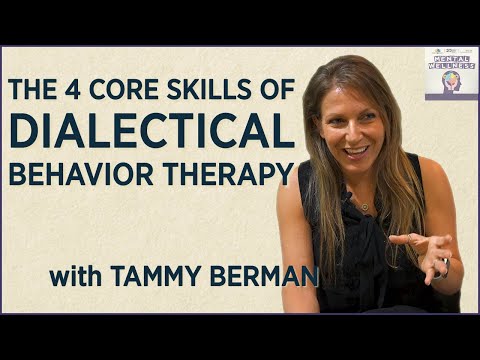
Hey! You know, mental health can be this wild ride sometimes, right? It’s like a rollercoaster with all its ups and downs. And that’s where something called DBT comes in.
This blog provides content for informational, educational, and reflective purposes only. The information published here does not constitute medical, psychological, or psychiatric advice, and it does not replace the evaluation, diagnosis, treatment, or individualized guidance of a properly licensed professional. If you believe you may be experiencing a psychological or health-related issue, consult a qualified professional as soon as possible before making important decisions about your well-being. Do not self-medicate or start, stop, or change medications, therapies, or treatments on your own. While we aim to provide useful and accurate information, we do not guarantee that it is complete, current, or suitable for every situation. Your use of this content is at your own risk, and reading it does not create a professional, clinical, or therapeutic relationship with the author or this website.
DBT stands for Dialectical Behavior Therapy. Sounds fancy, but it’s really just about learning skills to help you cope better. Seriously, it can be a game changer.
We’re gonna chat about four key skills that make DBT super effective. These aren’t just some boring theories—they’re real tools you can use in everyday life. So, if you’re curious about how to navigate all that emotional chaos, stick around!
Understanding the 4 Miss Rule in DBT: A Key Concept for Improving Emotional Regulation
Understanding the 4 Miss Rule in DBT: It’s a crucial piece when it comes to Dialectical Behavior Therapy (DBT) and can make a huge difference in how you manage your emotions. So, what’s the deal with the «4 Miss Rule»? Well, it’s all about understanding the gaps in our emotional experiences and learning how to bridge them.
Basically, the 4 Miss Rule looks at four main ways we might miss our emotional responses. And by recognizing these gaps, you can enhance your ability to regulate emotions better, which is pretty empowering.
Here are the four key misses:
- Miss the Emotion: Sometimes, you just don’t notice an emotion creeping up on you. Maybe you’re feeling anxious but you’re so caught up in work that you don’t stop to identify it. It’s like trying to find your keys when they’re right in front of you.
- Miss the Expression: Even if you feel an emotion, expressing it can be tricky. You could be feeling sad but choose to put on a brave face instead of sharing your feelings with someone close. This can lead to building up those emotions inside.
- Miss the Action: Okay, so you recognize that you’re feeling something and maybe you’ve even told someone about it. But then, do you take action? If not, that emotion might fester rather than resolve itself. Like having a fire and not putting it out—yeah, that won’t end well!
- Miss the Validate: Validation is key! When you’re feeling something intense but don’t acknowledge that it’s valid or okay to feel that way, it’s like saying your feelings don’t matter. Everyone deserves to feel heard and understood.
Now, let’s talk a bit more about why this matters. Picture this: imagine someone who never really sees their anger when it shows up during an argument; they just brush it off or pretend it’s not there. Over time, they might start blowing up over small stuff because they’re missing those earlier signals! It’s like ignoring the warning lights on your car dashboard until suddenly something major happens.
Recognizing these misses gives you power over them—like flipping on those lights! You start becoming aware of what’s happening inside you at every stage. It helps create a smoother path for emotional regulation.
So basically, keep these four misses in mind as you work through emotions: notice them early (missed emotion), express them (missed expression), act upon them (missed action), and validate yourself (missed validate). Each step helps build healthier habits for dealing with tough feelings.
In DBT practice? These concepts are woven through skills training sessions where folks learn how to recognize their own patterns and apply techniques that help manage overwhelming emotions effectively—no more guesswork involved!
Exploring the Four Key Choices of Dialectical Behavior Therapy (DBT) for Better Mental Health
Dialectical Behavior Therapy, or DBT for short, is like this cool toolbox for folks navigating tough emotional waters. It’s all about balancing acceptance and change to help you cope better with your feelings and behavior. Let’s break down the four essential skills of DBT that can really make a difference in your mental health.
1. Mindfulness
Mindfulness is all about being present. You know how sometimes your mind races off into the future or replays awkward moments from the past? Yeah, that’s normal but stressful too. With mindfulness, you practice focusing on the here and now. It could be as simple as paying attention to your breath or noticing what’s around you at that moment. For instance, when you’re eating, instead of scrolling through your phone, just savor the taste and texture of your food.
2. Distress Tolerance
Sometimes life throws curveballs that feel unbearable—like losing a job or going through a breakup—and it’s easy to go into panic mode. Distress tolerance skills are meant to help you ride those waves without completely losing it or making things worse. Think of it as learning to sit with uncomfortable feelings instead of trying to escape them. For example, you might practice self-soothing techniques like holding an ice cube or taking a warm shower when stressing out.
3. Emotion Regulation
So emotions can be tricky little beasts; they come and go and sometimes hit you like a freight train! Emotion regulation skills help you understand your feelings better and manage them instead of letting them control you. This could mean figuring out what triggers certain emotions and finding ways to change them. Imagine journaling about why you’re feeling sad—it helps clarify things so they don’t feel so overwhelming.
4. Interpersonal Effectiveness
Healthy relationships are key to feeling good in life, right? Interpersonal effectiveness skills help you communicate better with others while respecting both yourself and those around you. It’s all about learning how to ask for what you need without sounding aggressive or passive-aggressive—it’s like finding that sweet spot in conversations! For example, if a friend keeps canceling plans on you, instead of blowing up at them, you’d express how it makes you feel while also asking if they can commit more often.
Incorporating these four key choices from DBT can lead toward building healthier coping strategies and improving overall mental health. It’s not always easy—remembering to practice these skills takes time—but each step counts! Just think about what small change in one area could make a big impact on how you’re feeling day-to-day; it’s super important stuff!
Comprehensive DBT Skills List PDF: Essential Techniques for Emotional Regulation and Mindfulness
Dialectical Behavior Therapy, or DBT for short, is like having a toolbox filled with handy tools to help you deal with life’s emotional ups and downs. Developed by Dr. Marsha Linehan, it’s super effective for folks who struggle with intense emotions or behaviors that feel overwhelming. So, let’s dive into some of the essential skills you might find in a comprehensive DBT skills list!
Mindfulness is where it all starts. This skill teaches you to be present in the moment without judging what happens. Imagine sitting outside and really focusing on how the breeze feels against your skin or the sounds of nature around you. It’s not about ignoring your thoughts; it’s just about noticing them without getting stuck in them.
Emotional Regulation is another biggie. This isn’t about suppressing your feelings but understanding and managing them better. You know that moment when you feel rage bubbling up after a frustrating day? Well, emotional regulation helps you recognize that feeling before it explodes and then decide how to respond—like taking a few deep breaths or going for a walk instead.
Then there’s Distress Tolerance. Life can throw some curveballs, right? Sometimes you can’t change what’s happening around you, but you can change how you handle it. This skill is all about creating strategies to cope with painful emotions or situations without resorting to unhealthy behaviors. Think of it like carrying an umbrella; while it won’t stop the rain, at least you’ll stay dry!
Finally, we come to Interpersonal Effectiveness. Relationships are tricky sometimes! This skill teaches you how to express your needs clearly while respecting others’ boundaries too. It’s like learning how to say “no” when something doesn’t work for you or how to ask for support when you’re struggling.
In essence, a comprehensive DBT skills list would include these core areas where each skill has techniques and practices designed to help manage emotions effectively and navigate daily challenges more smoothly:
- Mindfulness: Techniques such as observing thoughts without judgment.
- Emotional Regulation: Identifying emotions and learning ways to change unwanted feelings.
- Distress Tolerance: Techniques like distraction and self-soothing methods.
- Interpersonal Effectiveness: Strategies for assertive communication.
Using these skills isn’t always easy; they take practice—just like learning any new thing! But seriously, imagine feeling more grounded during those chaotic moments in life—pretty liberating, right? If you’re interested in diving deeper into each one of these areas, there are resources out there that break down techniques further into bite-sized pieces.
So remember, having a solid grasp on these DBT skills can seriously help make life’s rollercoaster ride feel way more manageable! It’s all about making little tweaks in how we react emotionally and interact with others—and that can totally transform our day-to-day experiences.
So, let’s chat about DBT, or Dialectical Behavior Therapy. It’s a pretty cool approach that helps people manage their emotions and improve their relationships. If you’ve ever felt overwhelmed by your feelings or found it tough to handle stress, you might wanna know a bit about the skills that make DBT effective.
First up is mindfulness. Imagine being able to fully experience the moment you’re in without floating off into worries about tomorrow or regrets from yesterday. That’s mindfulness! It’s like when I’m enjoying a sunny day at the park; I’m all there, soaking up the sun and the sounds of laughter around me. Mindfulness helps you focus on what’s happening right now, making it easier to cope with intense emotions.
Next is distress tolerance. This skill is all about surviving those moments when things get really rough—like when you’re facing a tough breakup or dealing with a crisis. Distress tolerance techniques can be lifesavers because they help you find ways to get through tough times without making things worse. I remember a friend who once used deep breathing exercises during her final exams when stress seemed ready to swallow her whole. She survived those moments because she knew how to tolerate distress!
Then we’ve got emotion regulation, which is kind of like having an emotional toolbox at your disposal. You know how sometimes your feelings feel like they’re pushing you around? Learning how to identify and manage those feelings can change everything. Like when you realize you’re upset but can take a step back and say, “Okay, what’s causing this? How do I wanna handle it?” It gives you power over your own emotional landscape.
Finally, there are interpersonal effectiveness skills. These are essential for figuring out how to communicate with others—asserting your needs while still being respectful. Think of it this way: You’re at dinner and want the last slice of pizza; using these skills means you can ask for it without feeling guilty or rude! A good friend once told me how she learned to express her needs instead of just hoping others would pick up on them—and wow, did that change her relationships.
So yeah, mastering these four skills—mindfulness, distress tolerance, emotion regulation, and interpersonal effectiveness—can seriously boost your mental health game if you’re working with DBT. They’re not just techniques; they’re life skills that can help turn chaos into clarity over time! Finding balance isn’t easy, but having some solid tools in your corner can make a world of difference when life’s rollercoaster starts its wild ride!