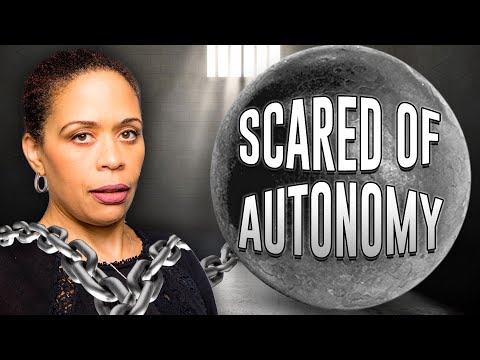
You know, life can be a bit tricky sometimes. For some folks, it’s all about relying on others to feel okay. It’s like having a safety net, but what happens when that net feels more like a chain?
This blog provides content for informational, educational, and reflective purposes only. The information published here does not constitute medical, psychological, or psychiatric advice, and it does not replace the evaluation, diagnosis, treatment, or individualized guidance of a properly licensed professional. If you believe you may be experiencing a psychological or health-related issue, consult a qualified professional as soon as possible before making important decisions about your well-being. Do not self-medicate or start, stop, or change medications, therapies, or treatments on your own. While we aim to provide useful and accurate information, we do not guarantee that it is complete, current, or suitable for every situation. Your use of this content is at your own risk, and reading it does not create a professional, clinical, or therapeutic relationship with the author or this website.
Dependent personality style is something many people experience. And honestly? It can be tough to navigate those waters. You might feel overwhelmed by your need for support, and that’s totally okay.
But here’s the thing—understanding this part of yourself can change the game. It doesn’t mean you’re weak or anything; you’re just wired in a certain way. So let’s chat a bit about it, yeah?
Empower Yourself: Effective Strategies to Overcome Dependent Personality Traits
There’s a lot to unpack when talking about dependent personality traits. Basically, if you find yourself often feeling like you can’t make decisions without someone else’s input or feeling an overwhelming need for others to be there for you, then you might be dealing with some dependent personality style stuff. It’s like having your emotional safety net, but it can end up weighing you down instead of lifting you up.
First off, understanding your feelings is key. Why do you feel the need to rely on other people? Sometimes it stems from early experiences where we learned that being independent wasn’t safe or accepted. Take a moment to reflect on those feelings. Journaling can help with this—just write down what comes to mind whenever you’re feeling particularly dependent.
Next, set small goals for independence. Start by making little decisions for yourself. Like choosing what to eat for dinner or picking a movie without asking anyone’s opinion first. It might feel weird at first—like trying on a new shirt that doesn’t quite fit—but over time, it gets easier. Celebrate these little wins! They’re steps toward gaining confidence.
Another biggie is practice asserting yourself. This means saying what you want and need in relationships more often. If someone suggests doing something and you’re not into it, don’t just nod along; say so! You know? This doesn’t mean being rude or dismissive; it’s about expressing your own opinions and feelings without fear.
Now, let’s talk about building a support network. Surround yourself with people who respect your efforts toward independence but also understand where you’re coming from emotionally. Find those friends who encourage you instead of fostering dependence. Just knowing that someone has your back makes taking risks seem less scary.
And don’t forget about therapy. A therapist can really help untangle what makes you feel dependent in the first place and guide you through working on it. They’ve got tools and strategies that are specifically tailored just for situations like this.
Lastly, be patient with yourself. Change doesn’t happen overnight—it’s more like this gradual awakening where things start clicking into place over time. So cut yourself some slack when things get tough—you’re doing the best you can!
So remember:
- Understand your feelings.
- Set small goals.
- Practice assertiveness.
- Create a supportive network.
- Consider therapy.
- Be patient!
Taking charge of your life is incredibly empowering! You’ll find that as you start breaking free from those limiting patterns, you’ll discover parts of yourself that are stronger than you’d ever imagined.
Understanding Life with Dependent Personality Disorder: Challenges and Insights
Life with **Dependent Personality Disorder (DPD)** can feel like walking on a tightrope, you know? It’s that constant balancing act between wanting support and fearing abandonment. So, let’s break it down a bit.
People with DPD often feel an intense need to be taken care of. This leads them to cling to others, which sounds simple enough, but it comes with its own set of challenges. You might find yourself feeling helpless or even anxious when you’re alone. Like, you might worry about what will happen if your close friends aren’t available to talk or hang out.
Common Challenges
- Fear of Abandonment: This isn’t just a passing thought; it’s like a heavy weight on your chest. You may constantly worry that the people you lean on will leave you.
- Difficulty Making Decisions: You might struggle to make even simple choices without someone else’s approval. So, picking what to eat or what movie to watch can become a huge ordeal.
- Low Self-Esteem: You may often feel inadequate or helpless, believing that others are better than you in every way. That creeping feeling can make it tough to see your own worth.
- Tendency to Stay in Unhealthy Relationships: Sometimes, if a relationship feels safe—even if it’s not good for you—you might hold onto it fiercely because the thought of being alone is too scary.
I remember chatting with a friend who had DPD. She’d stay in toxic friendships because she felt they were better than being alone. And honestly? That led her into some pretty rough situations.
Coping Strategies
- Psychoeducation: Learning more about DPD can help you recognize behaviors and feelings that come with it. Understanding that you’re not alone can be such a relief.
- Cognitive Behavioral Therapy (CBT): This therapy focuses on changing unhelpful thoughts and behaviors. It can help challenge those fears of abandonment and push towards independence.
- Building Assertiveness: Learning to express your feelings and needs is crucial, so practicing small assertive steps in daily life can really boost your confidence.
- Gradual Exposure: Try spending short time periods by yourself and gradually increase it as you get more comfortable with the idea!
For my friend, therapy helped her realize she could make decisions without running them by everyone else first! Just little by little, she started finding her voice again.
You know what makes this journey tougher? The stigma around mental health issues! People often misunderstand dependent behavior as weakness rather than recognizing how deeply rooted these patterns are in one’s personality.
Living with Dependent Personality Disorder means facing some serious challenges daily—like navigating personal relationships while battling fears that run deep. But remember: Just take things day by day. With support and understanding, change is possible! Keep reaching out for support because every little step counts!
Understanding Dependent Personality Disorder: Signs, Symptoms, and Coping Strategies
So, let’s chat about Dependent Personality Disorder (DPD). It’s one of those conditions that really affects how someone interacts with the world. Picture this: you’re constantly needing reassurance and support from others, to the point where it feels like you can’t function without it. Sounds tough, right?
People with DPD often struggle with making decisions. They might rely heavily on others for even the simplest choices, like, “Should I order pizza or sushi?” It’s not just a matter of preference; it’s almost like they’re saying, “I need you to tell me what to do because I’m not sure about myself.” This dependency can lead to feelings of inadequacy and insecurity.
- Signs: You might notice things like extreme submissiveness or a strong fear of abandonment. For example, if a friend cancels plans last minute, someone with DPD may spiral into panic.
- Symptoms: Other symptoms include difficulty expressing disagreement and feeling uncomfortable when alone. Just imagine being in a room by yourself and feeling absolute dread.
Coping with DPD can be a journey. Therapy often plays a huge role here. Cognitive Behavioral Therapy (CBT) is pretty popular for helping people reframe negative thought patterns. You’d work through those pesky thoughts that tell you you’re not good enough without someone else by your side.
Another strategy that some find helpful is building independence. It might feel uncomfortable at first, but setting small goals—like making your own plans without consulting anyone—can be super empowering. Each small step helps build confidence.
- Support networks: Surrounding yourself with understanding friends or family can help too! Find folks who encourage your growth rather than reinforce dependency.
- Mindfulness practices: Techniques like meditation or journaling can help ground you in the present moment and foster self-acceptance.
A good example might be Sarah, who always needed her partner to validate her choices. While she loved him deeply, she realized her happiness hinged on his approval way too much. Through therapy and chatting about her fears with supportive friends, she started making decisions independently—even if they felt scary at first! Now she confidently picks out movies or tries new hobbies—all without needing someone else’s input!
If this resonates with you or someone you know, know that it’s totally okay to seek help. Navigating life with DPD isn’t easy but there are ways to cope and find balance while fostering independence in healthy ways.
You know, navigating life with a dependent personality style can feel like you’re walking on a tightrope. It’s that place where you want to rely on others for support and guidance but at the same time, it can get kinda tricky, right? So many folks with this style find themselves constantly seeking approval or reassurance from others, which can turn everyday decisions into massive dilemmas.
I remember a friend who always struggled with this. Whenever we planned a trip, she’d spend weeks asking for everyone’s input. Should we go here or there? What do you think about this hotel? At first, it seemed harmless, just her wanting to include everyone. But then I started to notice how stressed she got if someone disagreed or didn’t respond immediately. It was like she needed our validation to feel okay about her choices.
And that’s sort of the catch-22 here. On one hand, you might really value deep connections and care about what others think because it makes you feel secure. But on the other hand, all that reliance can leave you feeling stuck — like you’re waiting for someone else to give you permission to be happy or make decisions.
It’s also worth mentioning how society often pressures us into being independent and self-sufficient. So when you have this dependent personality style, it can be tough to navigate those expectations. You might feel like a fish out of water or judged for needing a little extra help from your friends or family.
The thing is, recognizing these patterns is essential if you want to move towards a space where you find more balance in your life. Maybe it means starting small; practicing making decisions on your own and slowly building up that confidence — like picking out your meal at a restaurant without polling the table first!
So if you’re finding yourself in this situation or know someone who is, just remember it’s all part of the journey—little steps lead to big changes over time! The road might be bumpy with moments of doubt and hesitation along the way, but that’s just part of being human. We’re all just trying to figure things out together… in our own ways.