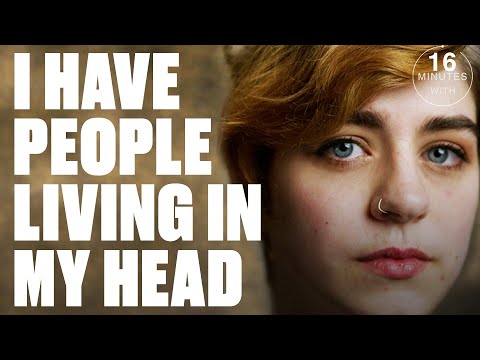
You know how sometimes life feels surreal? Like you’re watching yourself from the outside.
This blog provides content for informational, educational, and reflective purposes only. The information published here does not constitute medical, psychological, or psychiatric advice, and it does not replace the evaluation, diagnosis, treatment, or individualized guidance of a properly licensed professional. If you believe you may be experiencing a psychological or health-related issue, consult a qualified professional as soon as possible before making important decisions about your well-being. Do not self-medicate or start, stop, or change medications, therapies, or treatments on your own. While we aim to provide useful and accurate information, we do not guarantee that it is complete, current, or suitable for every situation. Your use of this content is at your own risk, and reading it does not create a professional, clinical, or therapeutic relationship with the author or this website.
Well, for some folks, that’s just part of their everyday reality.
Living with Dissociative Identity Disorder, or DID, is a psychological journey that can be both confusing and eye-opening.
It’s not just about having different “personalities”—it’s a complex way of coping with trauma.
Imagine trying to figure out who you are when parts of you feel completely separate—like a puzzle with missing pieces.
But it’s not all gloom and doom. There are moments of strength and resilience that shine through the chaos.
So grab a comfy seat, because we’re diving into the world of DID in a way that’s real and relatable. You with me?
Navigating Life with a Loved One Who Has Dissociative Identity Disorder: Essential Tips and Insights
You know, living with someone who has Dissociative Identity Disorder (DID) can be like stepping into a wild rollercoaster ride. One moment everything feels normal, and the next, you’re dealing with different identities surfacing. It’s a journey of understanding, patience, and love. Let’s break down some insights that might help you navigate this complex situation.
Understanding the Basics
First off, it’s crucial to get what DID really is. Basically, it’s a mental health condition that stems from severe trauma during early childhood—think of things like abuse or neglect. People with DID can have multiple distinct identities or personality states, each with its own name, age, history, and characteristics. It’s not just about mood swings; it’s way deeper than that.
Be Patient
Look, patience is key here. Sometimes an identity might not even recognize you or have different preferences in how they behave. It could be super confusing! So when “Alex” wants to go out for sushi but “Jessie” hates it? Yeah, that’ll happen. Just be open and don’t take it personally if they seem distant one moment and close the next.
Open Communication
Communication is everything! Encourage your loved one to share their experiences about their identities when they feel comfortable doing so. Ask questions like “What should I know about this part of you?” or “How can I support you?” This shows your genuine interest and helps build trust.
Set Boundaries
Respecting boundaries is huge too—even when it’s tough! You may find certain identities have different needs or reactions. One identity might need more space while another craves connection. Talk about what feels comfortable for both of you and adjust as needed.
Create a Safe Space
Think of your home as a safe haven where they can express themselves without judgment. Create routines that make them feel secure—like having a quiet area for self-care or fun activities to celebrate together when they feel up for it.
Learn Together
Doing some reading on DID together could help both of you understand better what’s going on in their mind—kinda like taking the mystery out of it all! There are plenty of resources available; check out books or reputable websites focusing on mental health.
Sara’s Story
Let me tell you about my friend Sara who lived with her partner Jamie who has DID. They made sure to keep an open dialogue all the time and would often check in with each other—a simple “How are you today?” would go miles in making Jamie feel acknowledged and loved. They also went through therapy together; this helped them equip their relationship with tools to handle those difficult moments better.
You’re Not Alone
Remember that support groups exist not only for individuals experiencing DID but also for family members and partners too! Connecting with others who share similar experiences can be incredibly helpful. You’ll realize you’re not alone in this journey; others know exactly how challenging yet rewarding it can be at times!
In short, navigating life with someone who has Dissociative Identity Disorder involves understanding, compassion, communication, and collaboration between both partners. Remember: each day might look different but sticking together through all these ups and downs makes the bond stronger in ways you can’t imagine!
Understanding the Types of Trauma Associated with Dissociative Identity Disorder (DID)
Dissociative Identity Disorder, or DID, is like a really complicated puzzle. It’s often linked to some pretty heavy trauma in a person’s life. But understanding the kinds of trauma that can lead to DID? Well, that’s crucial in piecing things together.
Trauma that leads to DID usually falls into specific types. First up is **childhood abuse**—we’re talking physical, sexual, or emotional abuse happening during formative years. Imagine a kid who’s supposed to feel safe and loved. Instead, they face violence or neglect. This can create what feels like different “parts” of themselves as a way to cope with pain they just can’t handle all at once.
Then there’s **repeated traumatic experiences**. Think about someone who goes through ongoing bullying or neglect from caregivers. The constant stress makes it tough for them to develop a cohesive self-image. They might dissociate during hard times as a way to escape reality.
Another huge factor is **witnessing violence**. A kid who sees domestic violence at home might create alternate identities as a defense mechanism against that chaos. Those identities can help them feel safer when facing such scary situations.
Also, there’s the more subtle form of trauma, like **emotional invalidation**—that’s when someone’s feelings are dismissed or belittled by the people around them. A child growing up in an environment where their emotions are ignored may feel like they don’t even exist in their own skin.
You know what else? Sometimes there’s **trauma through loss**, like losing a parent unexpectedly or experiencing severe abandonment issues. This kind of loss can shake your foundation and cause major identity fragmentation.
The thing is—and this is super important—trauma isn’t always visible on the outside; it doesn’t have to be some massive event either. It could be small but cumulative experiences over time that add up, leading someone to seek refuge in alternate identities if reality feels too overwhelming.
So when we’re talking about DID and its link with trauma, remember: it’s not just the big stuff we think of but also those little moments that can shape someone’s sense of self—or cause it to shatter into pieces. Living with DID means navigating these complex layers while finding ways to heal and integrate those parts back together into a more whole experience of self.
Unlocking the Mind: Real-Life Stories of Living with Dissociative Identity Disorder
Dissociative Identity Disorder (DID) is one of those conditions that, honestly, can be pretty hard to wrap your head around. Imagine going through life feeling like you’re not entirely yourself because, well, you’re not. People with DID often have two or more distinct identities—or «alters»—that take control at different times. This isn’t just a quirky personality trait; it’s a serious response to trauma.
Let me share a story about someone named Sarah. She was your average woman, leading a busy life. But she always felt like something was off. Sometimes, she’d lose time and wake up in places she didn’t remember going to. One day while chatting with a friend, she realized that her friend had noticed some changes in her personality: sometimes she was bubbly and chatty, and other times she seemed completely withdrawn and distant.
That’s the nature of DID: different parts of your identity might emerge based on stress or reminders of trauma. Each alter has its own characteristics and memories, which can make life really complicated—for both the person with DID and their loved ones.
Here are some key points about living with DID:
Sarah eventually started therapy where her therapist helped her understand her alters better. It wasn’t easy; sometimes her alters would argue over who got to speak or make decisions for her body. But slowly, through sessions filled with lots of patience and compassion, Sarah learned how to communicate between them all.
Many folks wonder if it’s common for people with DID to know about their other identities. Well, not always! Some might have no idea they even exist until something triggers them or until therapy brings it out into the open.
Living with Dissociative Identity Disorder is complicated—like trying to solve a puzzle where some pieces are missing or just don’t fit together right away. But there’s hope for healing and understanding involved in this journey! It takes time and often requires support from therapists who truly get it.
So yeah, if you ever meet someone dealing with DID—or anyone facing mental health challenges—understanding their world can make such a difference! It’s all about compassion and patience as they navigate this really complex experience together.
Living with Dissociative Identity Disorder (DID) is like riding an emotional rollercoaster that often feels like it never stops. It’s not just about having different “parts» or identities; it’s about navigating life when each part has its own thoughts, feelings, and memories. Seriously, imagine waking up one day and feeling like a completely different person. Sounds unsettling, right? That’s what many with DID experience.
I remember chatting with a friend who had DID. One moment, they were this bubbly artist filled with ideas and laughter. The next moment, they’d switch to someone who felt heavy with sadness and fear—it was like seeing a light switch flick on and off. Each identity, or «alter,» had its own quirks! They might have different names, ages, or even ways of talking. It made for some pretty wild conversations.
But the thing is, living this way can be exhausting. Picture trying to make plans when you’re not sure which version of yourself will show up! There are days filled with confusion and anxiety because dealing with unexpected switches can feel overwhelming—like playing hide and seek but never really knowing where you’re hiding or who’s looking for you.
Support is key here. Therapy can be super helpful for folks living with DID. A good therapist works alongside them to help integrate those parts or at least understand them better—like bringing everyone in a family into a group hug instead of keeping them in separate rooms.
It’s also important to recognize the resilience of those who live with DID. Seriously, there’s so much strength in managing daily life while dealing with such intense internal experiences. They often learn to communicate between their parts—a real feat! And as they begin to understand themselves better, they build a sense of identity that feels more whole.
So yeah, every day can be different—their journey is uniquely tough yet incredibly powerful—like climbing a mountain that seems impossible but still taking it one step at a time because there’s hope at the top of it all.