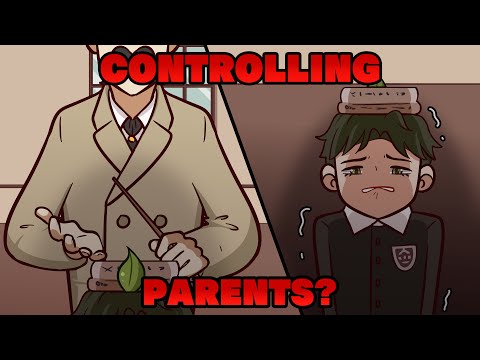
So, let’s chat about something that doesn’t always get the spotlight it deserves: disorganized parenting. It’s not what most folks think of when they picture a “good” parent, right? You know, someone who’s consistent and loving. But disorganized parenting is real, and it can have some pretty big effects on kids.
This blog provides content for informational, educational, and reflective purposes only. The information published here does not constitute medical, psychological, or psychiatric advice, and it does not replace the evaluation, diagnosis, treatment, or individualized guidance of a properly licensed professional. If you believe you may be experiencing a psychological or health-related issue, consult a qualified professional as soon as possible before making important decisions about your well-being. Do not self-medicate or start, stop, or change medications, therapies, or treatments on your own. While we aim to provide useful and accurate information, we do not guarantee that it is complete, current, or suitable for every situation. Your use of this content is at your own risk, and reading it does not create a professional, clinical, or therapeutic relationship with the author or this website.
Imagine a kid whose life feels like a rollercoaster—one minute everything’s cool, and the next it’s chaos. That can mess with their heads in ways we don’t even realize. Seriously, it’s like trying to build a house on sand instead of a solid foundation.
In this little convo, we’ll dig into what disorganized parenting looks like and how it shapes those tiny humans we care about. You in? Cool! Let’s break it down.
Understanding the Behaviors of Children with Disorganized Attachment: Key Insights for Parents and Caregivers
Disorganized attachment in children is a tough topic. It can be hard for parents and caregivers to wrap their heads around, especially when they’re trying to figure out what’s going on with their little ones’ behavior. So let’s break it down, alright?
What is Disorganized Attachment?
Basically, this is a type of attachment style that develops when kids don’t have a consistent caregiving experience. They might get supportive care sometimes, but then other times it’s unpredictable or even scary. This inconsistency creates confusion for kids. Their primary caregivers can be sources of comfort and fear at the same time.
How Does It Happen?
Disorganized attachment usually arises from chaotic home environments. You know, things like serious stress, trauma, or mental health issues in parents can mess with a child’s ability to feel safe and secure. For instance, if a parent is dealing with their own past trauma or substance abuse issues, they might not always be available for their kid when they need them most.
Behaviors to Look Out For
Children with disorganized attachment might show some pretty challenging behaviors:
- Anxiety: They may seem on edge, easily startled by sudden noises or changes in the environment.
- Avoidance: Sometimes they’ll avoid adults altogether or have an overly clingy relationship with one caregiver.
- Confusion: You might notice them acting unsure about how to respond in typical situations—like suddenly running away when you try to hug them.
- Difficulties with Emotional Regulation: These kids struggle to express themselves properly. It’s like they’ve got all these feelings bottled up but don’t know how to let them out safely.
The Impact on Development
Kids who grow up with disorganized attachment often face challenges later on. They might have trouble forming healthy relationships as they get older. School can become tough because socializing requires trust—something they may not fully grasp yet.
An example? Think of a child who feels abandoned every time a parent leaves the room because past experiences have taught them that closeness can lead to pain. This kiddo could end up avoiding friendships because they’re scared of being hurt again.
What Can Parents and Caregivers Do?
The good news is that understanding these patterns gives you a solid foundation for change. Here are some suggestions:
- Create Consistency: Kids thrive on predictability. Establishing routines helps them feel safer and more secure.
- Praise Efforts: Seriously! Celebrate even the small victories when your child tries something new emotionally.
- Acknowledge Their Feelings: When your kid expresses fear or confusion, validate those feelings instead of brushing them off.
- Simplify Explanations: Use simple words and phrases so your child can understand what you’re saying—avoid complicated adult language that just clouds things.
It’s important to keep in mind that healing from disorganized attachment takes time—it’s no quick fix! Patience becomes your best buddy here.
In summary, navigating life with a little one who has disorganized attachment isn’t easy but understanding their behaviors can help you respond in ways that really count. You’re basically giving them tools for emotional success down the road!
Understanding Disorganized vs. Avoidant Attachment: Key Differences Explained
Understanding attachment styles can be a real eye-opener, especially when you start digging into how they affect our relationships and emotional well-being. Two of the more complex types are disorganized attachment and avoidant attachment. They’re both rooted in how we experienced love and care as kids, but they manifest in pretty different ways.
So, first up, let’s talk about disorganized attachment. This one often comes from chaotic or frightening experiences with caregivers. Imagine a kid who feels the need to run to their parent for comfort, but that same parent is also a source of fear or confusion. It’s like wanting to hug your teddy bear but also being terrified of it at the same time. These kids might not know how to respond when they’re upset. They can swing from seeking closeness to pushing others away in an instant.
Here’s what happens:
- Inconsistency: When you have disorganized attachment, you might feel confused about what love looks like. One minute it’s warmth and affection; the next it’s anger or neglect.
- Difficulties with trust: Understanding boundaries and empathy can be super challenging. You may struggle in relationships because you’re constantly on edge.
- Behavioral issues: Kids with disorganized attachment sometimes act out aggressively or withdraw. They often feel overwhelmed by their emotions.
Now, flipping over to avoidant attachment, this style comes from caregivers who were not responsive to their needs—maybe they were emotionally unavailable or dismissive. As a result, these kids learn pretty quickly that it’s safer not to rely on others at all. They figure if no one is going to be there for them anyway, why bother asking?
Consider this:
- Avoiding closeness: People with avoidant attachment tend to keep distance in relationships—they don’t open up easily because vulnerability feels dangerous.
- Skepticism about intimacy: You might find it hard to trust others’ intentions. There’s usually this lingering belief that emotional connections just lead to pain.
- Pushing people away: Even when someone shows genuine care or affection, there’s this instinctive pulling back that can leave people feeling shut out.
So here’s where it gets interesting—those two styles play out differently in adult relationships:
If you lean toward disorganized attachment as an adult, your emotional reactions can be all over the place. Your partner might get mixed signals because one moment you’re craving closeness and the next you’re ghosting them entirely due to anxiety.
On the other hand, if avoidant is more your style, you’ll probably find yourself wanting connection but being terrified of it at the same time. You may end up dating someone who tries really hard yet never quite breaks through that wall you’ve built around yourself.
Imagine someone named Mark who grew up feeling confused and scared around his parents. He could never predict their responses; sometimes they’d comfort him and other times they’d shout for no reason. As an adult, Mark struggles with intense emotions—he wants love but also fears it could hurt him again.
Then there’s Sarah; her parents brushed off her feelings like they were no big deal. Now she finds herself dating nice guys who want to nurture her but she can’t help pulling away when things get too serious.
When we talk about disorganized parenting specifically—it creates a cycle that can really mess with child development. Kids exposed to such instability may develop emotional regulation issues or have trouble forming healthy relationships later on in life.
In a nutshell:
Disorganized attachment is all about chaos stemming from fear while avoidant is more of a self-protective wall against intimacy induced by rejection or neglect. Both types come from childhood experiences but play out differently in our adult lives—and understanding these differences can help us navigate our own emotional landscapes much better!
How Parental Stress Impacts Child Development: Understanding the Effects on Mental Health
Parental stress is a pretty big deal when it comes to how kids grow up and develop. The thing is, when parents are dealing with stress, it can totally affect their parenting style. You know, like, if they’re overwhelmed or anxious, they might not be as responsive to their child’s needs. It’s like trying to water a plant while you’re juggling—something’s gonna get neglected.
When we talk about disorganized parenting, we’re diving into a situation where caregivers may not have a clear plan or style. This can look like being inconsistent in how you respond to your child’s emotions or needs. Sometimes you’re warm and supportive, and other times it’s all chaos. It confuses kids. They don’t know what to expect, which can lead them to feel insecure.
So let’s break down some of the effects that parental stress can have on child development:
- Emotional Regulation: Kids learn how to handle their feelings from their parents. If mom or dad is stressed out all the time, the child might struggle to understand and manage their emotions.
- Attachment Issues: A disorganized parenting approach can lead to insecure attachment styles in children. They might find it hard to trust others later on because they didn’t get consistent nurturing.
- Cognitive Development: Stress can limit the amount of quality interaction between parent and child, which is crucial for learning. Kids need those back-and-forth chats for brain development.
- Behavioral Problems: Stressful environments might lead kids to become more aggressive or withdrawn. They don’t always know how to express what they feel since they didn’t learn good ways from home.
It’s also important to mention that kids are super perceptive; they pick up on their parent’s vibes really quickly! If you’re anxious and stressed out, chances are your kiddo feels that too—even if you think you’re hiding it well. Just imagine a little one who watches their parent constantly check the phone for emails instead of playing with them; that sends signals that work and stress come first.
Now, I remember one family I worked with where the mom was juggling two jobs plus school while trying to raise her two young boys alone. She was always stressed out about money and time constraints. It broke my heart seeing her shout instead of cuddle during tough moments because she just didn’t have the emotional reserve left by the end of each day.
This kind of cycle shows why it’s essential for parents—or anyone responsible for kids—to take care of their mental health first! When parents manage their stress better through support systems—like therapy or friends—they become more emotionally available for their kids.
In essence, parental stress shapes a child’s world in significant ways. It touches on everything from emotional skills to social connections as they grow older. So remember: taking care of yourself isn’t only about you; it also raises happier, healthier kiddos down the line!
You know, parenting can be one of the wildest adventures out there. It’s like stepping into a rollercoaster where you didn’t even know the ride would be this bumpy. Disorganized parenting, in particular, adds a whole new layer of chaos to that ride.
I remember this friend of mine who had a pretty disorganized household growing up. It wasn’t that her parents were bad people or anything, they just kinda struggled to keep things together. Like, there were days when dinner was cereal because no one knew what time it was or when laundry was done whenever someone found clean socks at the bottom of a pile. Now, looking back, I see how that chaotic environment impacted her more than she realized at the time.
Kids need some sense of stability and predictability, you know? When parents are disorganized—like juggling too much without any plan—it can leave kids feeling anxious or unsure about themselves and their surroundings. They might struggle to form solid relationships or find it hard to focus in school because their home life feels like an unpredictable whirlwind.
But it’s not just about feeling anxious. Disorganized parenting can also hit hard on a child’s emotional development. If a parent is inconsistent with boundaries or fails to provide nurturing support during tough times, kids might grow up unsure about how to handle their own emotions. It’s like they’re left stumbling in the dark without a flashlight.
I mean, think about it: when you’re constantly adjusting your expectations based on your parent’s mood swings or forgetfulness, you start questioning what love looks like and how to give and receive it yourself. That kind of confusion doesn’t just vanish once you’re older; it tends to stick around.
Of course, every child is different and will react in unique ways based on their personalities and resilience levels. Some might bounce back stronger; others may take longer to find their footing—if they ever do at all.
The whole situation really highlights how important it is for parents—or caregivers—to find some balance amidst all the chaos life throws at them. A little structure goes a long way in helping kids feel secure as they grow into their own identities.
So if you know someone who’s struggling with this kind of disarray in parenting? Maybe lend an ear or share some resources. Because those early years? They matter more than we realize—in ways that can echo throughout someone’s life long after they’ve grown up and moved out.