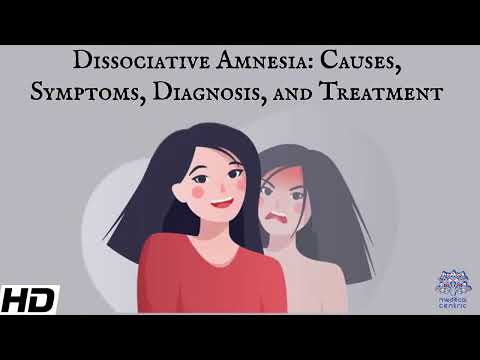
Alright, so let’s talk about something kind of wild. Ever heard of dissociative fugue? Yeah, it sounds like something out of a movie, right? But it’s real and kinda serious.
This blog provides content for informational, educational, and reflective purposes only. The information published here does not constitute medical, psychological, or psychiatric advice, and it does not replace the evaluation, diagnosis, treatment, or individualized guidance of a properly licensed professional. If you believe you may be experiencing a psychological or health-related issue, consult a qualified professional as soon as possible before making important decisions about your well-being. Do not self-medicate or start, stop, or change medications, therapies, or treatments on your own. While we aim to provide useful and accurate information, we do not guarantee that it is complete, current, or suitable for every situation. Your use of this content is at your own risk, and reading it does not create a professional, clinical, or therapeutic relationship with the author or this website.
Imagine waking up one day, not knowing who you are or where you’re supposed to be. That’s what this is about. People just… vanish from their old lives. It’s not like they ran away for fun; it’s more complicated than that.
When the DSM-5 put dissociative fugue on the map, it got folks thinking. What does this really mean for those who experience it? What are we missing in understanding their journey?
In a world that often brushes mental health under the rug, talking about these things is super important. So let’s dig into this together!
Understanding Dissociative Fugue: Is It Included in the DSM-5?
So, let’s talk about dissociative fugue. It’s one of those terms that can sound really complicated, but once you break it down, it gets a lot clearer. Basically, dissociative fugue is a type of dissociative disorder where someone suddenly loses their personal history and may even wander off to a new location. Imagine waking up one day and not remembering who you are or where you come from. That’s the kind of intense experience we’re talking about.
Now, your next question might be: “Is it in the DSM-5?” And the answer is yes! The DSM-5, which stands for the Diagnostic and Statistical Manual of Mental Disorders, Fifth Edition, includes dissociative fugue under its umbrella of dissociative disorders. This manual is used by mental health professionals to diagnose various mental health conditions.
What does this mean? Well, being in the DSM-5 means that mental health experts recognize dissociative fugue as a genuine condition that can significantly impact someone’s life. It emphasizes that this isn’t just someone trying to escape reality; it’s a real psychological experience with serious implications.
Here are some key points about dissociative fugue:
- Sudden Memory Loss: This isn’t your typical forgetfulness. People with this condition forget important personal information—like their name or life history.
- Traveling Away: Sometimes, they might not just forget who they are but also leave their home and create a new identity somewhere else.
- No Other Medical Conditions: To be diagnosed with dissociative fugue, these memory and identity disruptions aren’t due to medical conditions like seizures or substance abuse.
Anecdotally speaking, there’s this story about a guy named Tom (not his real name). He woke up one morning in a park miles away from home. He had no idea how he got there or even who he was! It turned out he was experiencing dissociative fugue after some intense stress from work and personal issues. After some time in therapy and support from friends, he gradually pieced his life back together.
Treatment for dissociative fugue typically involves therapy—like cognitive behavioral therapy (CBT)—to help individuals understand and integrate their experiences. Medication may help if there are symptoms of anxiety or depression too. But honestly? The focus is usually on talking things out in a safe space.
The thing is with conditions like this is that they highlight how our brains can react under extreme stress or trauma. It’s pretty wild when you think about it! If you—or anyone—ever feels lost in your own mind or life like Tom did, reaching out for support is super important.
In summary, yes—I can totally confirm that dissociative fugue is included in the DSM-5! It’s recognized as an important psychological issue that deserves attention and care like anything else we face mentally.
Understanding Dissociative Fugue: Causes, Symptoms, and Associated Factors
Dissociative fugue is one of those rare and pretty bewildering mental health conditions. It’s like you’re here, but also not really here, you know? Basically, it’s when someone suddenly starts to forget who they are and where they came from. They might even travel somewhere far away, all while having no memory of how they got there or why they left. Talk about a plot twist in real life.
Causes of dissociative fugue aren’t straightforward. Often, it’s tied to extreme stress or trauma. This could be anything from surviving a natural disaster to experiencing abuse or losing a loved one unexpectedly. The brain has this funny way of protecting itself by shutting down those painful memories, but sometimes it takes things too far.
When it comes to symptoms, the signs are pretty intense. You might suddenly find yourself in a different city, thinking, “Wait… how did I get here?” Or you could completely blank on your name or personal history. It’s not just forgetting stuff like where you left your keys; we’re talking about a full-on identity crisis. People experiencing this might adopt a new name or start a new life without realizing what they’re doing.
There are some associated factors that make someone more likely to experience dissociative fugue. For starters, having a history of other dissociative disorders can raise the risk—like if someone has previously experienced depersonalization or dissociative identity disorder (you may know this as multiple personality disorder). Plus, often people who go through high-stress environments (think military combat or severe childhood trauma) have higher chances of ending up with this condition.
So imagine Sarah; she lost her husband in a car accident and found herself wandering through another state several weeks later with no idea why or how she got there. It wasn’t until she was found by police that they discovered she had no recollection of herself or her previous life. A lot can happen in someone’s mind during such intense emotional distress.
Treatment usually involves therapy focused on building one’s sense of self again and dealing with past traumas that triggered the fugue state in the first place. Cognitive-behavioral therapy (CBT) is common because it helps folks reframe their thoughts and confront uncomfortable memories slowly but surely.
In summary, understanding dissociative fugue means recognizing how incredibly complex our brains are when faced with overwhelming stressors. We all cope differently; some do so in ways that leave them lost both physically and mentally for quite some time. If you ever see someone struggling like this—or if it happens to you—know there’s help out there waiting to guide them back home to themselves again!
Understanding the DSM-5 Criteria for Dissociative Identity Disorder: A Comprehensive Guide
Dissociative Identity Disorder, or DID for short, is one of those complex conditions that often leaves people scratching their heads. If you’re wondering how it fits into the DSM-5, let’s break it down together.
First off, the DSM-5 is like this big manual that professionals use to diagnose mental health disorders. For DID, it specifies a few key criteria that need to be met:
Presence of Two or More Distinct Identities: The main feature of DID is the presence of two or more distinct personality states. These identities have their own ways of perceiving and interacting with the world. You might hear them referred to as «alters.» Each one can have different memories, behaviors, and even names!
Recurrent Gaps in Memory: Now, it’s not just about having different alters. There are also these recurrent gaps in memory for everyday events, personal information, or traumatic events that can’t be explained by ordinary forgetfulness. Imagine you’re talking to a friend about your weekend and suddenly they mention something you absolutely can’t remember doing. That’s exactly what these gaps can feel like.
Distress or Impairment: To be diagnosed with DID, these symptoms need to cause significant distress or impair your social or occupational functioning. It’s not just quirky behavior; it really impacts life. Think about going to work and struggling because you can’t remember how you got there—that’s tough!
Not Attributable to Other Conditions: It’s crucial that these experiences aren’t better explained by something else—like substance abuse or another medical condition. For instance, if someone is experiencing similar symptoms while under the influence of drugs or alcohol, they might not meet the criteria for DID.
Now let’s touch on something related: Dissociative Fugue. This is when someone unexpectedly travels away from home and doesn’t remember their identity during this time—whether they’ve moved to a new place or just disappeared for days without knowing why. In essence:
- Loss of Identity: The person may forget who they are entirely.
- Sudden Travel: This isn’t just daydreaming; they literally leave their usual surroundings.
- Memory Recovery: Often people with fugue will eventually regain their memories but may still feel disoriented.
So how does dissociative fugue relate back to DID? Well, some people with dissociative disorders might experience fugue as part of their overall condition. But typically, fugue stands alone as its own diagnosis in the DSM-5.
To wrap things up (not like I’m trying to rush), understanding these criteria helps demystify what individuals with DID go through every day—not just checking boxes on a list but seeing real struggles behind the scenes! It’s a complex web of identity and memory—and knowing this stuff better equips us all for empathy and support when we encounter someone living with this disorder.
Dissociative fugue, huh? It sounds like something straight outta a movie, but it’s actually a pretty serious mental health condition. Basically, it’s when someone temporarily loses their identity and personal history. Imagine waking up one day and not remembering who you are—where you live, your family, even your name. That’s what people with dissociative fugue go through.
So, this condition is listed in the DSM-5, which is kinda like the manual for mental health disorders. It’s important because it helps doctors understand and diagnose people who might be dealing with this kind of memory loss and confusion. But here’s the thing: dissolving into another identity or just blanking out on everything can be super traumatizing. You might be thinking about someone who just disappears for a while but comes back later. It’s not that simple.
I had a friend once who went through something similar—not full-on fugue but definitely some intense dissociation after a traumatic event. She was driving home one night when something really scary happened to her on the road, and afterward, she felt completely disconnected from herself for days. She’d look in the mirror and barely recognize the person staring back at her!
Anyway, this kind of experience shows us that our minds do some pretty wild things to protect us from pain—to shield us from stuff we’re not ready to face or can’t deal with right at that moment. The interesting part about dissociative fugue is that it often happens in response to trauma or extreme stress. So it’s like your brain goes into survival mode but takes such drastic steps that you lose touch with your own identity.
What does this mean for treatment? Well, therapists usually focus on helping people reconnect with their memories and develop coping strategies to handle whatever triggered the fugue in the first place. Sometimes therapy involves grounding techniques to bring them back to have some kind of control over their lives again.
So, yeah! Dissociative fugue is all about how our minds can take a vacation when things get tough—and while it might seem bizarre on the surface, it makes sense when you consider how deeply we all want to protect ourselves from emotional pain. It’s heavy stuff but definitely worth understanding so we can support ourselves and others better!