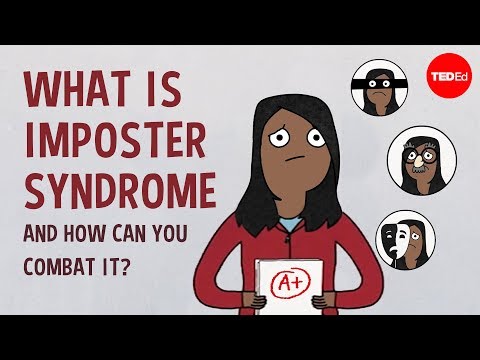
You ever feel like a fraud? Like everyone around you thinks you’re amazing, but deep down, you’re just waiting for someone to call your bluff? Yup, that’s imposter syndrome for ya. It’s sneaky and can mess with your head in all sorts of ways.
This blog provides content for informational, educational, and reflective purposes only. The information published here does not constitute medical, psychological, or psychiatric advice, and it does not replace the evaluation, diagnosis, treatment, or individualized guidance of a properly licensed professional. If you believe you may be experiencing a psychological or health-related issue, consult a qualified professional as soon as possible before making important decisions about your well-being. Do not self-medicate or start, stop, or change medications, therapies, or treatments on your own. While we aim to provide useful and accurate information, we do not guarantee that it is complete, current, or suitable for every situation. Your use of this content is at your own risk, and reading it does not create a professional, clinical, or therapeutic relationship with the author or this website.
Seriously, tons of people struggle with this. I mean, even the most successful folks sometimes feel like they don’t deserve their achievements. Can you imagine? It’s wild how common it is.
So, let’s chat about this whole thing. You know, what imposter syndrome really is and why it keeps popping up in our conversations about mental health. There’s a lot more to it than just feeling like an imposter. So stick around; we’re diving into the feels!
Understanding Imposter Syndrome: Key Insights and Impact on Mental Health Conversations in 2022
Imposter syndrome is something a lot of us face, and it can really mess with our heads. It’s that nagging feeling that you’re not good enough, even when you’ve got the proof to back it up. You might be sitting in a meeting, looking around at your colleagues who seem so confident, while you’re inside thinking, «Any minute now, they’re gonna find out I don’t belong here.» Seriously, it happens to the best of us.
What is Imposter Syndrome?
It’s more than just feeling insecure. It’s like having an inner critic who just won’t shut up. You get achievements and praise, but those feelings of self-doubt still creep in. People often link it to perfectionism and fear of failure. You try so hard to meet your own impossibly high standards that you end up doubting your success completely.
Who Is Affected?
Anyone can experience imposter syndrome—students, professionals, creatives—you name it. Women and minorities often feel this more intensely because societal pressures can make them feel like they have to prove themselves even more. Imagine landing a job that seems so far out of reach; you’d think you’d celebrate! But instead? You’re just terrified they’ll realize you’re not as capable as they thought.
Key Insights on Imposter Syndrome
- Commonality: It’s super common; many people share these feelings.
- Narratives: The stories we tell ourselves matter. Replacing negative thoughts with positive affirmations can help chip away at those feelings.
- Impact: It can lead to increased anxiety and stress levels since you’re always worried about being “found out.”
- Coping Strategies: Sharing your feelings with trusted friends or therapists can bridge the gap between feeling like a fraud and recognizing your worth.
Mental Health Conversations in 2022
In 2022, imposter syndrome became a hot topic in mental health circles. With remote work blurring boundaries and increased competition for jobs or promotions—which seems like everyone is competing for—these feelings got louder for many people. Conversations shifted towards acknowledging these struggles openly rather than silently suffering through them.
Getting comfortable talking about imposter syndrome helps normalize the experience. The more it’s discussed, the less stigma there is around feeling this way. Sharing stories helps others see they’re not alone. Think about how relieving it feels when someone says what you’ve been grappling with silently!
This year has shown that understanding mental health isn’t just about treatment; it’s also about creating environments where people feel safe discussing their insecurities without judgment.
So the next time you feel like an imposter at work or school—or anywhere else, for that matter—just remember: you’re not alone in this! And being open about those feelings might just bring some clarity and connection into the mix.
Understanding Mental Health Imposter Syndrome: Overcoming Self-Doubt and Building Confidence
Imposter Syndrome—ever felt like a fraud in your own life? Like you’re just pretending to have it all together, when deep down, you’re convinced that someone will uncover your “secret”? Well, you’re not alone. This feeling is super common and can pop up in all sorts of situations. It’s like a shadow lurking behind your accomplishments, whispering doubts in your ear.
So, what is Imposter Syndrome really? It’s that nagging voice that makes you doubt your skills and achievements. You might find yourself thinking, “I only got this job because of luck,” or “Anyone could do this better than me.” It’s tricky because even successful people aren’t immune to it. Seriously! A study showed that around 70% of people experience these feelings at some point in their lives.
Now, why does Imposter Syndrome happen? There are a bunch of reasons. For one, many folks grow up feeling pressure to succeed. Maybe you were always praised for getting good grades or excelling in sports. Over time, that pressure can morph into self-doubt when you don’t meet those expectations anymore. Or maybe it stems from comparing yourself to others on social media—everyone seems perfect online, right?
Here’s where it gets a bit emotional—imagine you finally land that dream job after countless applications and interviews. You step into the office filled with excitement… only to feel overwhelmed by the fear of not measuring up compared to your colleagues . The thing is, these feelings can seriously hold you back from embracing new opportunities or even enjoying your successes.
Overcoming Imposter Syndrome isn’t easy but totally doable! First off:
Building confidence takes time—think of it as a muscle you need to exercise regularly! One small victory at a time can help shift those self-doubts into something more positive.
So look—Imposter Syndrome might be sneaky and persistent sometimes but knowing it’s there gives you power over it. Being honest with yourself about these feelings can help pave the way toward building confidence and fully owning your accomplishments. Remember: You’ve worked hard for what you’ve achieved; don’t let those pesky doubts steal your joy!
Understanding Imposter Syndrome: Is It a Mental Illness or Just a Common Experience?
So, let’s talk about Imposter Syndrome. You know, that feeling like you’re just faking it in your career or life? Many people experience it, and it’s super common—like, you’re definitely not alone in this.
Imposter Syndrome isn’t classified as a mental illness by any means. It’s more of a psychological pattern where you doubt your accomplishments and have this persistent fear of being exposed as a fraud. Seriously, even high-achievers can feel this way. Crazy, right?
Here are a few key points about Imposter Syndrome:
Now, let’s connect this to your real life. Imagine you’ve just landed a big promotion at work. Instead of celebrating, you’re thinking about how everyone else is way more qualified than you. It’s exhausting! I remember chatting with my friend who got into grad school—she was convinced her acceptance was just luck and that everyone else was way smarter than her (spoiler: they weren’t).
That said, Imposter Syndrome can contribute to mental health challenges. While it’s not an official diagnosis like anxiety or depression, constantly battling those feelings can lead to stress and burnout over time.
Here are some ways it relates to mental health:
So what can you do if you’re dealing with these feelings? It’s all about self-reflection and talking things out with someone—maybe even a therapist! They can help put things in perspective and help reframe those negative thoughts.
In short? Imposter Syndrome is super common but not classified as a mental illness itself. It’s part of the human experience that many people face during various life stages. Just remember: you’ve earned your place wherever you are; don’t let those insecurities convince you otherwise!
Imposter syndrome, right? It’s this sneaky little voice in your head that whispers you’re not good enough or that you don’t really belong, even when you’ve got all the credentials to prove otherwise. I mean, a friend of mine recently landed a big promotion, and instead of celebrating, she spent hours doubting her worth. It’s like she was just waiting for someone to call her out. That feeling can be so isolating.
The thing is, imposter syndrome is super common. You could be a top-notch CEO or an artist with a million followers and still feel like a fraud sometimes. It pops up everywhere—school, work, social situations—you name it! And what’s wild? It doesn’t discriminate; it hits anyone regardless of their accomplishments or experience.
In mental health conversations, we often talk about anxiety or depression as big hitters. But imposter syndrome deserves its moment too. It’s not classified as a mental disorder per se but can totally mess with your head and self-esteem. People might think they should just “get over it,” but that’s like saying someone should shake off the flu because it’s inconvenient.
What makes this even trickier is the shame that comes with it. You might think you’re alone in feeling inadequate while everyone else looks like they have it all figured out—spoiler alert: they don’t! This fear of being “found out” holds many people back from seeking help or even sharing their experiences.
So let’s normalize these conversations around imposter syndrome! Sharing experiences can be freeing. If more folks talked openly about their doubts and fears, maybe we’d all feel less like imposters in our own lives. It’s kind of empowering to realize that you’re not alone in this struggle; others have been there too.
At the end of the day, feeling like an imposter doesn’t define your ability or worth—it’s just part of the human experience. So next time you catch yourself doubting your achievements, take a breath and remember: you’re not faking it; you’re just figuring it out along with everyone else!