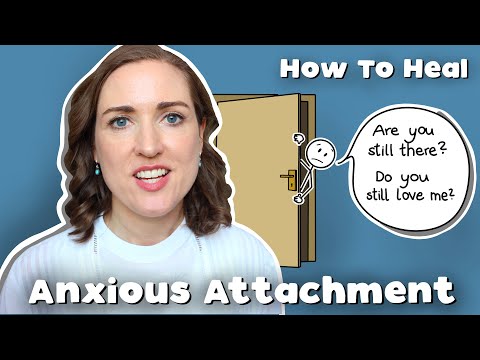
You ever find yourself feeling a bit off in your relationships? Like, no matter what you do, there’s this gnawing fear of being abandoned or not being good enough? Yeah, that’s super common.
This blog provides content for informational, educational, and reflective purposes only. The information published here does not constitute medical, psychological, or psychiatric advice, and it does not replace the evaluation, diagnosis, treatment, or individualized guidance of a properly licensed professional. If you believe you may be experiencing a psychological or health-related issue, consult a qualified professional as soon as possible before making important decisions about your well-being. Do not self-medicate or start, stop, or change medications, therapies, or treatments on your own. While we aim to provide useful and accurate information, we do not guarantee that it is complete, current, or suitable for every situation. Your use of this content is at your own risk, and reading it does not create a professional, clinical, or therapeutic relationship with the author or this website.
It’s all tied to something called insecure attachment. It can mess with your head and make connecting with others feel like walking through mud. You get me?
But here’s the good news: you can totally work through it! Seriously, overcoming that insecurity can lead to way better relationships. Imagine feeling secure and loved without all that baggage holding you back.
I mean, who wouldn’t want that? Let’s chat about how to break free from those patterns and open up to healthier connections. Sound good?
“Effective Strategies for Managing Insecure Attachment in Relationships”
When it comes to relationships, insecure attachment can really throw a wrench in the works. It’s that feeling of anxiety or unease you might get when you’re with someone, constantly worrying if they care enough or if they’ll stick around. The thing is, understanding how to manage this can seriously help improve your connections.
First off, recognize your attachment style. Are you anxious, avoidant, or maybe a mix? Being aware of where you stand is the first step to understanding your behavior in relationships. For instance, if you’re anxiously attached, you might cling to your partner for reassurance. And hey, that’s okay—awareness is half the battle!
Next up, communication is key. If you find yourself feeling insecure, talk about it! Tell your partner how you’re feeling without blaming them. Use «I» statements like “I feel anxious when…” instead of “You always make me feel…”. This way, it opens a dialogue rather than shutting them down with blame.
Another effective strategy is practicing self-soothing techniques. This could be deep breathing or even taking a walk. When those anxious feelings bubble up during a moment of doubt in your relationship, take a step back and do something that calms you down. I’ll tell ya—a little bit of space can work wonders.
And then there’s mindfulness. Seriously—being present can help ground you in reality rather than letting fears spiral out of control. When you notice those negative thoughts creeping in about your partner’s feelings for you, focus on what’s actually happening instead of jumping to conclusions. For example, if they didn’t text back immediately, remind yourself they could simply be busy and not mean anything by it.
You know what else helps? Building trust gradually. Trust isn’t built overnight; it’s like growing a plant—you have to water it daily! Engage in small acts that foster trust over time; for example, being there consistently when you say you will fosters reliability.
Another thing worth mentioning is seeking therapy. Sometimes having an unbiased third party can help unpack all those tangled emotions and patterns you’ve developed over the years. A therapist can guide you through ways to change those patterns that don’t serve you well anymore.
Finally, remember that change takes time. Don’t be too hard on yourself if things don’t shift overnight. Every little step towards managing insecurity matters. Celebrate small victories along the way; whether it’s having an open conversation or noticing when you’re being overly reactive.
So yeah, managing insecure attachment isn’t about flipping a switch and everything magically becoming perfect. It takes some work and patience but dig into these strategies and watch how your relationships transform for the better!
Transform Your Relationships: A Guide to Overcoming Insecure Attachment
The way we connect with others often goes back to our early experiences. If you’ve ever felt like you’re putting up walls or overly anxious in your relationships, it might be tied to **insecure attachment**. This whole idea comes from attachment theory, which basically says that the bonds we form as kids with our caregivers shape how we deal with relationships later in life.
When someone has an insecure attachment style, they might struggle with trust or have a tendency to push people away. It’s like you want love, but part of you is terrified it’ll hurt. So what can you do about it? Here’s the deal:
Recognize Your Patterns: Start by taking a good look at your reactions in relationships. Do you freak out when someone doesn’t text back quickly? Or maybe your first instinct is to pull away when things get intense? Just noticing these feelings can help you understand where they’re coming from.
Communicate Openly: Talk about your feelings. I know, sounds simple—but seriously! Sharing what makes you feel insecure can open the door to more honest connections. Imagine telling a partner, “Hey, I sometimes feel anxious when things get quiet between us.” Sounds easier than keeping it all bottled up, right?
Challenge Negative Thoughts: When insecurities pop up, ask yourself if they’re true or just fears sneaking in. Like, maybe you’re convinced your friend doesn’t like you anymore because they didn’t invite you to an event. Instead of spiraling into anxiety, pause and think: “Did they even mean to leave me out?” Maybe they just forgot.
Practice Self-Compassion: You can be tough on yourself over these feelings, but try not to be! Treat yourself with the same kindness you’d show a friend going through this stuff. It’s okay to feel vulnerable—like everyone feels weird sometimes.
Seek Professional Help: Sometimes talking it out with a therapist can work wonders. They can provide tools and insights tailored for your situation. Therapy isn’t just for crisis moments! Regular check-ins can help keep those insecurities from taking over.
So picture this: You meet someone new and instead of panicking about whether they’ll ghost you or if you’re good enough—what if you could kick back and enjoy getting to know them? That’s what working on those insecure attachment patterns can lead to—a less bumpy ride in your relationships.
If you’re thinking about transforming how you connect with others, remember that it’s totally possible! With some patience and work on yourself, you’ll be well on your way toward healthier relationships that feel secure and fulfilling!
Transforming Insecure Attachment: Strategies for Building Healthier Adult Relationships
Building healthier adult relationships, especially if you’ve got an insecure attachment style, can feel like a real challenge. But don’t worry, it’s totally doable! Transforming that attachment style isn’t about snapping your fingers and making everything perfect overnight. It’s more about understanding yourself and learning some solid strategies.
So, what are these strategies? Let’s break it down into bite-sized pieces.
Self-awareness comes first. You gotta know where you’re coming from before you can go anywhere. Take a moment to reflect on your past relationships. Consider how your upbringing influences your current behavior. Were you always anxious in relationships? Or maybe you’ve been more dismissive? Recognizing these patterns is a huge step forward.
Communication skills are key. Talking openly with your partner is super important. This might feel awkward at first, but sharing your feelings creates connection and trust. You might say something like, “I sometimes feel insecure when we argue,” instead of bottling it up or becoming defensive.
Practice vulnerability. I get it—being vulnerable can be scary! But showing your true self helps build intimacy. Start small by sharing something personal in a safe space with someone you trust. Over time, this will help you feel more comfortable opening up in deeper ways.
Avoid jumping to conclusions. If you’re feeling insecure, it’s easy to think the worst when your partner doesn’t respond right away or seems distracted. Before reacting, take a breath and ask for clarification: “Hey, I noticed you seemed distant today; is everything okay?” This keeps communication flowing without misunderstandings.
Develop emotional regulation skills. When emotions run high, it’s tough to think straight. Finding healthy ways to calm yourself down—like deep breathing or taking a quick walk—can prevent situations from spiraling out of control. It’s all about finding what works for you!
Set healthy boundaries. Knowing what you need to feel safe in a relationship is crucial. If something doesn’t sit right with you, voice it! For example, if you need alone time after an argument to gather your thoughts—just say so! Respecting boundaries not only keeps things balanced but also shows care for each other’s needs.
Seek professional help if needed. Sometimes transformation means reaching out for support from therapists who specialize in attachment issues. They can give you tools tailored just for you!
Let’s face it: transforming insecure attachment into secure patterns takes time and effort. But every little step counts! You’re on the journey already by just reading this and thinking about how to improve your relationships.
Embrace the process; it’s all part of growth! Every interaction is an opportunity to practice these strategies and forge connections that are healthier and more fulfilling than ever before. You’re not alone on this path—you’ve got support along the way!
So, let’s chat about insecure attachment. It’s that thing where, maybe because of your childhood or past experiences, you sometimes find yourself feeling awkward in relationships. You know how some people seem to just float into connections effortlessly? With insecure attachment, it often feels like you’re holding on too tight or not at all. It’s a bit of a tug-of-war.
I remember a friend of mine who struggled with this whole concept. For years, she’d be super clingy with her partners. Every time they went out without her, she’d spiral into anxiety—like seriously, thinking they were going to leave her for good. And when they’d try to reassure her? It just felt like a band-aid on a much deeper wound. Eventually, she decided she needed to change the script. After lots of self-reflection and therapy—shoutout to brave souls who take that step!—she learned about attachment styles and how hers shaped her thoughts and behaviors.
The thing is, overcoming insecure attachment isn’t just about reading books and nodding along; it’s messy and real. It might mean facing those childhood memories that made you feel unworthy or learning to communicate what you need in relationships without fear of rejection. It’s scary as hell! But look, when you start putting in the work—like practicing vulnerability while still protecting your heart—you open up space for better connections.
So yeah, it’s not an overnight fix. There’ll be bumps along the road; you’ll probably slip back into old ways sometimes because that’s life! But each little victory counts—for my friend? It was being able to sit back when her partner went out with friends and not freak out but instead trust them (and herself!).
In time, she noticed her relationships blossomed! She wasn’t just passing through life; she was actually enjoying deeper connections without the suffocating fear clawing at her insides. And that kind of transformation? Well, it’s everything!