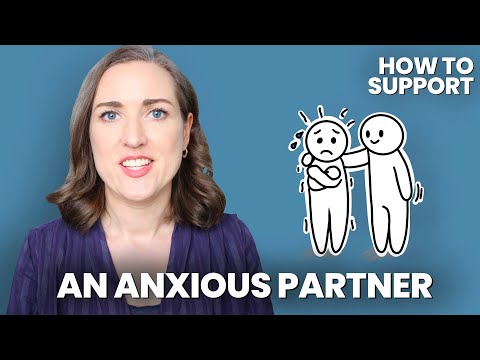
You know those moments when you just can’t shake that feeling of insecurity in a relationship? Like, you’re constantly worried if your partner really cares or if they’re gonna leave?
This blog provides content for informational, educational, and reflective purposes only. The information published here does not constitute medical, psychological, or psychiatric advice, and it does not replace the evaluation, diagnosis, treatment, or individualized guidance of a properly licensed professional. If you believe you may be experiencing a psychological or health-related issue, consult a qualified professional as soon as possible before making important decisions about your well-being. Do not self-medicate or start, stop, or change medications, therapies, or treatments on your own. While we aim to provide useful and accurate information, we do not guarantee that it is complete, current, or suitable for every situation. Your use of this content is at your own risk, and reading it does not create a professional, clinical, or therapeutic relationship with the author or this website.
Yeah, that’s pretty much the vibe of insecure preoccupied attachment. It’s like your heart is doing backflips and your brain’s running wild.
And it can make things super complicated, right? You might find yourself needing constant reassurance or feeling anxious for no reason at all.
But hey, you’re not alone in this! Lots of people struggle with it, and understanding what’s going on can be a game changer.
So let’s take a stroll through this tangled web of feelings together. We’ll figure out how to navigate those tricky waters and maybe even calm that storm inside you.
Understanding Insecure Preoccupied Attachment in Children: Strategies for Healthier Relationships
Understanding insecure preoccupied attachment in children can feel like a maze sometimes, right? You might have noticed kids who seem super clingy or overly worried about their relationships. Basically, this attachment style stems from how they relate to their primary caregivers. The thing is, it hasn’t been easy for them.
When we talk about insecure preoccupied attachment, we’re looking at kids who are often anxious and crave closeness. They might sense inconsistency in their caregiver’s responses—sometimes getting support and other times being pushed away. This mixed signal makes them feel unsure about whether they can count on others. Imagine a little one rushing to hug you but then suddenly withdrawing because they’re not sure if you’ll embrace them back. That’s what it feels like.
Now, how does this play out in relationships as these kids grow up? Well, they might become overly focused on others’ feelings, seeking approval or validation all the time. They can come off as needy or sensitive to rejection. Remember that kid who was always anxious at sleepovers? Yeah, they were worried nobody would want to hang out with them the next day.
To help these kiddos develop healthier relationships, there are a few strategies that really make a difference:
- Create Consistency: Kids need routine and predictability. If you tell them you’ll be there for a school play, show up! It builds trust.
- Encourage Independence: Give children space to explore on their own while reassuring them that you’re always close by. Letting them choose activities can boost their confidence!
- Model Healthy Communication: Show them how to express feelings openly. If you’re upset about something small, like your favorite mug breaking, talk it out instead of bottling it up.
- Validate Their Feelings: When kids share worries or fears—seriously listen! Acknowledge how they’re feeling without dismissing it.
- Teach Problem-Solving Skills: Help your child work through conflicts with friends instead of jumping in to fix things for them every time.
It’s also important for caregivers to keep an eye on their emotional reactions. If you’re consistently reactive or stressed out, kids pick up on that energy easily—and absorb it! You don’t want to pass down your own insecurities unintentionally.
Let’s take a moment here: remember that time when your friend had a meltdown over something tiny? Like losing a pencil? That reaction probably stemmed from deeper fears—fears we’ve learned can spiral from early attachment issues.
In summary, supporting children with insecure preoccupied attachment takes patience and understanding. By offering stability and teaching emotional skills, you’re really helping set the stage for healthier connections later in life! So just be there—for them and for yourself too!
Understanding Insecure Preoccupied Attachment in Adult Relationships: Strategies for Healthier Connections
Understanding insecure preoccupied attachment in adult relationships can feel like a wild ride. You know, it’s not just about love; it’s sometimes fraught with anxiety and a constant need for reassurance. So, what’s going on here?
First off, let’s break down what insecure preoccupied attachment really means. It stems from early experiences in childhood, typically characterized by inconsistent caregiving. If you grew up with caregivers who were sometimes attentive and at other times neglectful, it might leave you feeling anxious in your relationships later on. This can lead to a sense of insecurity and an overwhelming need for closeness that can be suffocating not just for you but also for your partners.
You may find yourself constantly seeking validation from those you love—wanting them to reassure you that they care. Sounds exhausting, right? You might think things like “Are they going to leave me?” or “Do they really love me?” It’s all-consuming.
Strategies for Healthier Connections
So how do you navigate this tricky terrain? Here are some strategies that can help:
Now, let me share a quick story that really highlights this dynamic: Imagine Sarah. She always found herself checking her phone obsessively whenever her boyfriend didn’t text back immediately. Every minute felt like an eternity—her mind raced through worst-case scenarios until she finally sent a panicked message asking if everything was okay. Turns out he was just busy at work! But Sarah’s reaction pushed him away instead of drawing him closer.
This is often the case with insecure preoccupied attachment—it creates tension where there should be connection. Learning healthier reactions not only benefits you but also creates a supportive space for your partner.
In wrapping this up—well, navigating insecure preoccupied attachment isn’t easy but understanding where it’s coming from helps put some power back into your hands in terms of building better relationships. You deserve deep connections where trust can grow!
Overcoming Attachment Issues in Relationships: Essential Strategies for Healthy Connections
Well, attachment issues can really throw a wrench into your relationships, huh? You might find yourself feeling anxious or overly dependent on your partner. You know that feeling of constantly needing reassurance? Yeah, that’s often rooted in something called **insecure preoccupied attachment**. But don’t worry! There are ways to work through it.
Understanding Your Attachment Style is the first step. Basically, our early experiences shape how we connect with others later in life. If you’re often anxious about relationships, it might be because you didn’t have consistent support growing up. Recognizing where these feelings come from helps you make sense of your emotional responses.
Communicate Openly. Seriously, open communication is like the holy grail of healthy relationships. When you feel insecure, voice your feelings instead of bottling them up. You could say something like, “Hey, I get a little anxious when you’re not around.” Sharing those feelings with your partner can build trust and understanding.
Practice Self-Soothing Techniques. It’s super important to develop ways to calm yourself down when anxiety hits. Deep breathing or reminding yourself that it’s okay to feel this way can be huge! Imagine being at a party and starting to feel overwhelmed—taking a moment to breathe deeply can pull you back into the moment.
Set Healthy Boundaries. Look, boundaries aren’t just walls; they’re like fences that keep things safe. It’s okay to want time for yourself without feeling guilty about it. Your partner should understand that needing space doesn’t mean you care any less.
Seek Professional Help. Sometimes it’s tough to navigate these issues alone. A therapist can help unpack those deep-seated feelings and give you tools to better manage them. They might use different methods like cognitive-behavioral therapy (CBT) or attachment-based therapy.
Create Secure Connections. Try surrounding yourself with people who make you feel safe and understood—not just romantically but in friendships too! It’s kinda like training your brain—when you’re with supportive folks, it eases those worries over time.
Challenge Negative Thoughts. When negative thoughts creep in—like thinking your partner’s upset with you even if they haven’t shown it—you gotta challenge them! Ask yourself if there’s actual proof for those thoughts or if they’re just fears talking.
You know what? Progress takes time—seriously! There’ll be ups and downs along the way as you work through these attachment issues. Celebrate small wins, even if it’s just recognizing when you’re feeling anxious without acting on those feelings right away.
Finding balance in relationships is all about understanding ourselves and others better. Just remember that it’s okay to reach out for help and work on these strategies at your own pace!
You know, navigating relationships can be tricky, especially when attachment styles come into play. If you’ve ever felt that anxious buzz in your chest when your partner doesn’t text back right away, or found yourself needing constant reassurance, you might relate to what’s called insecure preoccupied attachment.
This attachment style often stems from early experiences—maybe as a kid, you didn’t quite get the consistent love and support you needed. So now, as an adult, your emotional landscape is like a rollercoaster ride. You find yourself clinging to your partner for affirmations, but then that clinginess can lead to anxiety about losing them. It’s a tough cycle.
I remember a friend of mine who dealt with this kind of thing in her relationship. She’d ask her boyfriend if he loved her multiple times a day. He’d reassure her, but it was like she needed that validation just to feel stable. Eventually, it caused friction between them because he felt overwhelmed by her constant need for affirmation.
What’s wild is that people with this attachment style really crave connection; it’s just that sometimes the way they express that need can push others away instead of drawing them in. It can feel exhausting for both parties involved—like running in circles trying to catch your breath.
But it doesn’t have to stay like this! Learning about these feelings and getting comfortable with self-soothing techniques can help—you know, finding ways to feel secure on your own terms rather than relying solely on someone else’s reassurances. Therapy can also be a solid resource for understanding these patterns and working through them.
So if you find yourself identifying with insecure preoccupied attachment, just know you’re not alone in this! Sure, relationships might feel like an uphill battle sometimes; it’s all part of the journey toward healthier connections and learning how to love yourself better along the way.