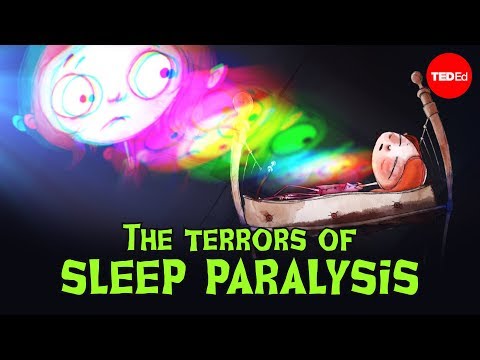
You ever wake up and feel like you can’t move? Like there’s this weight on your chest and it’s, well, terrifying? Yeah, that’s sleep paralysis for you.
This blog provides content for informational, educational, and reflective purposes only. The information published here does not constitute medical, psychological, or psychiatric advice, and it does not replace the evaluation, diagnosis, treatment, or individualized guidance of a properly licensed professional. If you believe you may be experiencing a psychological or health-related issue, consult a qualified professional as soon as possible before making important decisions about your well-being. Do not self-medicate or start, stop, or change medications, therapies, or treatments on your own. While we aim to provide useful and accurate information, we do not guarantee that it is complete, current, or suitable for every situation. Your use of this content is at your own risk, and reading it does not create a professional, clinical, or therapeutic relationship with the author or this website.
Now, some folks say it’s related to Lilith—this ancient figure associated with night and darkness. Pretty wild stuff, huh?
So, let’s chat about what this all means. Like, why does sleep paralysis happen, and how does Lilith fit into the picture? It’s a mix of psychology and a splash of folklore that makes your skin crawl just thinking about it.
Trust me; you’re gonna wanna stick around for this one!
Understanding the Psychological Causes of Sleep Paralysis: Insights into Your Mind
Sleep paralysis is one of those experiences that can leave you feeling totally freaked out. You wake up, can’t move, maybe you see or sense something in the room, and it feels super real. It’s like your mind’s waking up before your body does. So, let’s break down what’s going on in your head when this happens.
First off, sleep paralysis is often linked to disruptions in the sleep cycle, particularly during REM (Rapid Eye Movement) sleep. This is the stage where dreaming occurs and your body becomes temporarily paralyzed to stop you from acting out those dreams. But if you wake up during this phase, well—your mind’s awake but your body isn’t. How annoying is that?
Now, there are a few psychological factors that can play into it:
- Stress and Anxiety: High levels of stress can mess with your sleep patterns. If you’re feeling overwhelmed or anxious about something in life, it might increase the chances of experiencing sleep paralysis.
- Sleep Deprivation: Not getting enough quality shut-eye? Your brain might react by throwing some scary stuff your way when you finally do crash.
- Irregular Sleep Schedule: If you’re constantly changing your sleep routine—like being a night owl one week and an early bird the next—you could be setting yourself up for these episodes.
- Cultural Beliefs: Some people associate sleep paralysis with supernatural elements like “Lilith.” This figure represents various things depending on culture, but it often embodies fear or night terrors. Such beliefs can enhance the experience if you’re already experiencing a breakdown between wakefulness and sleep.
Take Sarah, for example—a friend who once told me about her terrifying episode after pulling an all-nighter for exams. She woke up paralyzed and convinced she saw a shadowy figure at the foot of her bed. Her stress from school was through the roof! This kind of high-stress environment can really ramp up vulnerability to these episodes.
Also worth noting is that genetics might play a role too; some people are just more prone to this phenomenon than others due to their family history.
In addition to these psychological aspects, some research suggests that certain mental health conditions like depression, PTSD, or even narcolepsy could increase risks for sleep paralysis as well. It creates a cycle: mental health triggers lead to poor sleep which then triggers more mental health issues down the line.
Remember though, while it might feel super weird—and honestly kinda scary—sleep paralysis isn’t harmful in itself; it’s just your brain trying to cope with whatever’s going on upstairs. If it’s happening often enough that it’s impacting your life—or if there’s persistent anxiety around experiencing it again—it might be good idea to chat with someone like a therapist or doctor who gets all that stuff.
So yeah, that’s kind of how we understand what’s happening psychologically when it comes to sleep paralysis! It’s wild how much our minds influence our bodies even while we’re snoozing away!
Exploring Carl Jung’s Insights on Sleep Paralysis: A Psychological Perspective
Carl Jung had a really interesting take on things like sleep paralysis. You know, that eerie feeling when you wake up but can’t move? It can feel like someone’s sitting on your chest or you’re caught in a nightmare. Jung would probably say this experience isn’t just your brain playing tricks; it’s more about your psyche.
So, what’s the connection between sleep paralysis and Jung’s ideas? Well, Jung believed in the idea of the collective unconscious. This is kind of like a shared mental space where we all store archetypes—universal symbols and images that pop up across cultures and time. One of these archetypes is *Lilith*, often seen as a figure representing independence and rebellion but also associated with fear or darkness.
Here’s the deal: When you experience sleep paralysis, it might be linked to those deep-seated fears or anxieties. Jung might say that through these episodes, you’re confronting aspects of yourself you’re not fully aware of. Like when you wake up and feel trapped, it could symbolize how you might feel in your waking life—like there are pressures on you from all sides.
Now, let’s explore some key points here:
- The Shadow Self: This is another significant concept for Jung. It’s all those parts of ourselves we reject or hide away because they don’t fit our ideal self-image. Sleep paralysis could be a manifestation of this shadow coming to light—forcing you to face something uncomfortable.
- Archetypal Imagery: During sleep paralysis, many people report seeing figures or feeling presences. These could be seen as manifestations of archetypes from our collective unconscious—everyone’s got their own version of fear, right?
- Personal Growth: Jung championed the idea that facing these fears could lead to greater self-awareness and ultimately growth. So if you’re dealing with sleep paralysis, maybe it’s your mind’s way of nudging you towards understanding something deeper.
Let’s not forget how culture shapes our experiences too! Depending on where you’re from or what you’ve been taught, sleep paralysis can feel different based on local myths or stories around it; some cultures even see it as spiritual encounters!
Think about the last time you had an episode. Was there something floating around in your mind that needed addressing? Maybe stress from work? A troubling relationship? Each instance might offer clues into what’s simmering below the surface.
In essence, Jung would argue there’s more going on than meets the eye during those paralyzing moments when you wake up unable to move. It’s not just about fear—it could also represent an opportunity for **self-exploration**.
By engaging with these experiences instead of ignoring them—or worse, pushing them down—you may find insights into who you are and what you’re dealing with in life overall! So next time you’re jolted awake by the sensation of being trapped in your own body… try to think beyond just being scared.
Embrace that little voice whispering there’s more beneath—in true Jungian style!
Exploring the Mythology of Sleep Paralysis: Unraveling Beliefs and Cultural Perspectives
Sleep paralysis, wow, that’s a topic that really gets people talking! You might have heard some wild stories or legends about it. In many cultures, sleep paralysis has been wrapped up in myths and supernatural beliefs. One such figure often mentioned is Lilith, a figure from folklore. So, let’s unravel this intricate web of beliefs surrounding sleep paralysis and see what’s real and what’s not.
First off, what exactly is sleep paralysis? Well, it happens when you wake up but your body doesn’t quite catch up with your mind. Basically, you can’t move or speak for a few seconds or even longer. It can feel super scary! Imagine being awake and aware but totally unable to do anything.
Many cultures have their own interpretations of this experience. For instance, in ancient Jewish folklore, Lilith is often depicted as a night demon who preys on men while they sleep. People believed that if you experienced sleep paralysis, it was her doing—like she was sitting on your chest! Isn’t that intense? This idea reflects how societies try to make sense of frightening experiences.
Now let’s get into some key points here:
- Cultural interpretations: Different societies interpret sleep paralysis in various ways. For example, in some Asian cultures, it’s linked to malevolent spirits.
- The psychological angle: Researchers suggest that anxiety and stress may increase the likelihood of experiencing sleep paralysis.
- Visual hallucinations: During an episode, people sometimes see things—like shadows or figures—which adds to the fear factor.
- A historical perspective: Throughout history, narratives tied to sleep disturbances often invoked supernatural beings like Lilith or succubi.
So why do these stories persist? Well, fear is powerful. And when we can’t explain something that feels real and terrifying—like being unable to move—it’s natural to look for an explanation outside ourselves.
From a psychological viewpoint, understanding sleep paralysis can be helpful for those who experience it regularly. Knowing it isn’t just about demons lurking in the night can be comforting! It might just reflect our body’s complex relationship with sleep cycles and wakefulness.
To wrap it all up (if that’s even possible!), while myths like those surrounding Lilith add layers of cultural meaning to our experiences with sleep paralysis, the reality is more grounded in science than the supernatural. Understanding both perspectives—psychological and cultural—helps us navigate this eerie phenomenon without losing our minds over those dark shadows at night!
So, let’s talk about Lilith and sleep paralysis. They might seem kinda unrelated at first glance, but there’s something pretty fascinating about how they connect psychologically. You know, sleep paralysis is that creepy feeling when you wake up and can’t move. It can feel like you’re being watched or even like there’s someone sitting on your chest. Super unsettling, right?
Now, Lilith is this ancient figure in mythology—often depicted as a dark, mysterious woman who embodies independence and rebellion. Some stories even paint her as a demon or a force that interacts with people in their dreams. It’s interesting to think about how she has become a symbol of female empowerment in some circles while also being romantically linked to fears and nightmares.
Imagine you’re waking up from a nightmare, totally disoriented. Your heart races, and there’s this weight on your chest. You blink into the darkness and feel like something’s lurking there with you. That’s where the whole Lilith connection comes in for many people dealing with sleep paralysis; she’s often seen as an entity connected to these experiences.
I remember hearing someone share their story once—right after they’d experienced sleep paralysis for the umpteenth time. They described it vividly: they felt compressed under an invisible force while shadows danced around them, which left them terrified but strangely drawn to the idea of what it represented. For them, Lilith wasn’t just folklore; she was this potent reminder of their own fears and unacknowledged desires.
From a psychological standpoint, it’s fascinating how our minds can conjure archetypes like Lilith during these terrifying moments of paralysis—even if we don’t consciously think about her at all! The imagery we create can serve as both a symptom of our worries and an outlet for our emotions regarding autonomy and identity.
In essence, while sleep paralysis might feel purely biological—a quirk of our nervous system—it taps into deeper layers of our psyche too. The mind drags up figures from dreamscapes or myths that resonate with what we’re grappling with emotionally. So next time you’re waking up frozen in fear, maybe you’ll think twice about what—or who—you might be encountering in those bizarre moments between sleeping and waking.
There’s something oddly comforting knowing that you’re not alone in this weird experience; many people find ways to unpack these feelings through stories or mythologies like Lilith’s—turning fear into strength, belief into self-understanding. Quite profound when you really dig into it!