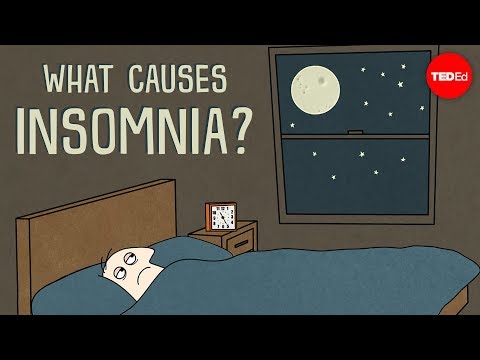
You know that feeling when you wake up in the middle of the night, and your mind starts racing? It’s like all the worries of the day come flooding back. Super annoying, right?
This blog provides content for informational, educational, and reflective purposes only. The information published here does not constitute medical, psychological, or psychiatric advice, and it does not replace the evaluation, diagnosis, treatment, or individualized guidance of a properly licensed professional. If you believe you may be experiencing a psychological or health-related issue, consult a qualified professional as soon as possible before making important decisions about your well-being. Do not self-medicate or start, stop, or change medications, therapies, or treatments on your own. While we aim to provide useful and accurate information, we do not guarantee that it is complete, current, or suitable for every situation. Your use of this content is at your own risk, and reading it does not create a professional, clinical, or therapeutic relationship with the author or this website.
That’s what we call middle sleep insomnia. It’s when you drift off just fine but wake up a few hours later and can’t get back to sleep.
Honestly, it messes with you. Your mood, your focus, everything can take a hit. It’s more than just counting sheep; it can feel like an uphill battle.
Let’s chat about how this sneaky little problem affects your overall well-being. Sound good?
Understanding the Connection Between Sleep and Mental Health: A Comprehensive PDF Guide
Sleep and mental health are like two peas in a pod. They really affect each other more than you might think. When you don’t get enough sleep or your sleep is disrupted, it can seriously mess with your mood, memory, and overall mental well-being. Let’s break this down together, so you can see just how tangled up these two things are.
First off, let’s talk about **middle sleep insomnia**. This is when you have trouble staying asleep during the night. You might find yourself waking up in the middle of the night and then having a hard time falling back asleep. It can be super frustrating! And guess what? This kind of insomnia can lead to some significant psychological effects.
So here’s the thing: when you’re not getting that restful sleep, your body doesn’t produce enough of those happy hormones like serotonin and dopamine. You end up feeling cranky, anxious, or even depressed. Feeling groggy? That’s more than just being tired; it can really impact how you handle stressors in your life.
Now, let’s break down some key points about how middle sleep insomnia affects your mental health:
- Anxiety Levels: Lack of sleep can ramp up anxiety symptoms. Those racing thoughts? Yeah, they get worse when you’re exhausted.
- Stress Management: Good sleep helps you deal with stress better. When you’re waking up constantly at night, managing life’s curveballs becomes a lot harder.
- Emotional Regulation: Ever notice how you’re more likely to snap at your loved ones after a rough night? Sleep helps stabilize your emotions.
- Cognitive Function: Sleep deprivation affects memory and focus—so good luck recalling that important detail for work after a sleepless night!
- Fatigue: Feeling tired all the time can lead to low motivation and even withdrawal from activities you usually enjoy.
I remember one friend who struggled with this kind of insomnia for months (poor guy!). He’d wake up around 3 AM every night and couldn’t go back to sleep for hours. At first, he wrote it off as just bad luck but soon he noticed he was more irritable and less focused at work. It wasn’t until he made some changes to his bedtime routine—like limiting screen time before bed—that things started to improve.
So look—if you’re experiencing middle sleep insomnia, it might be worth taking a closer look at what’s going on mentally as well as physically. Sometimes it’s just about routines or stress management strategies that need tweaking.
In essence, treating both **sleep** issues and any potential **mental health** problems together is crucial for breaking that cycle of sleeplessness and sadness. Talk to someone if things feel overwhelming! You don’t have to go through this alone; help is out there.
If you fiddle with some habits like creating a calming bedtime environment or talking through underlying worries during the day, it could really help boost both your sleep quality and mental health overall. So make those small changes; sometimes they lead to big results!
The Impact of Sleep Deprivation on Mental Health: Understanding the Connection
Sleep is something we often take for granted, huh? I mean, you might think a few missed Zs here and there won’t hurt much. But trust me, sleep deprivation can really mess with your mental health in ways you might not expect.
When we talk about middle sleep insomnia, we’re diving into the struggle of waking up in the middle of the night and not being able to snooze off again. This type of insomnia can lead to a range of psychological effects that creep into your daily life. You ever had those nights where you wake up at 3 AM, staring at the ceiling, counting sheep? It’s frustrating and exhausting.
So, what’s really going on here? Well, lack of sleep affects your brain’s ability to function properly. It messes with your mood and can make even the smallest tasks feel like climbing Mount Everest. When you don’t get enough rest, it’s like walking around with a cloud hanging over your head.
Consider these points:
- Mood swings: Sleep deprivation can trigger irritability and anxiety. You know how sometimes everything annoys you when you’re tired? That’s no accident!
- Cognitive decline: You might find it hard to focus or remember stuff—like forgetting where you left your keys or mixing up names.
- Increased stress: When you’re sleep-deprived, stress hormones like cortisol spike, making you feel overwhelmed.
- Heightened risk for mental disorders: Chronic sleep issues can increase susceptibility to anxiety disorders or depression.
There’s a kind of domino effect here. The less sleep you get, the more difficult it can be to cope with everyday stressors. It feels like being stuck in a cycle that just keeps spiraling downward.
If you’re dealing with middle sleep insomnia specifically, it might trigger some feelings of frustration or helplessness. Every time you wake up during the night and can’t drift back into dreamland, it’s like a reminder of how tired you are—and that amplifies feelings of hopelessness sometimes.
A buddy of mine struggled with this for months; he’d wake up every night at 2 AM sharp and spend hours tossing and turning. He started feeling really down about his job performance because he couldn’t concentrate. Over time, his relationships took a hit too since he was constantly irritable and didn’t have energy for socializing.
So yeah, sleep isn’t just about resting your body—it’s crucial for mental wellness too. If you ever find yourself in this situation—like waking up persistently during the night—don’t ignore it! There are ways to tackle insomnia head-on.
You know what helps? Establishing a relaxing nighttime routine could ease things up—a warm bath or reading before bed could work wonders! It’s all about giving yourself that environment where sleep feels inviting rather than elusive.
Take care of yourself—because well-rested minds make for happier lives!
Exploring the Connection: Scholarly Articles on Sleep and Mental Health
Sleep is such a big deal, right? I mean, we all know that getting enough shut-eye can make or break your day. But when it comes to mental health, sleep isn’t just about feeling rested. It plays a huge role in how we feel emotionally and mentally. So, let’s talk about **middle sleep insomnia**, which is when you wake up in the middle of the night and have a tough time falling back asleep. It can be pretty frustrating!
Now, what you might not realize is that this type of insomnia can really mess with your head. You see, when you’re tossing and turning instead of sleeping peacefully, it doesn’t just steal your energy; it can also impact your overall well-being. There are several connections here that scholars have studied.
Sleep Disruption and Mood Disorders: Research shows that people who experience middle sleep insomnia often report higher levels of anxiety and depression. It’s like a cycle: poor sleep increases feelings of sadness or anxiousness, and those negative emotions make it even harder to sleep! For example, imagine lying awake worrying about work or personal problems; not being able to drift off just makes those worries loom larger.
Cognitive Effects: Studies indicate that sleepless nights can impair cognitive functions such as attention and memory. So if you’re struggling to stay focused at work after a rough night, you’re not alone! Lack of sleep messes with your brain’s ability to process information effectively. You might feel foggy or forgetful—definitely not what you want when you’re trying to tackle life’s challenges.
Physical Well-being: The body doesn’t just lie there inactive while we sleep; it’s doing some important repairs and maintenance! When middle insomnia keeps happening, it may lead to physical issues like increased stress hormones or weakened immune function over time. This could mean catching colds more easily or dealing with more stress-related problems.
Now let’s think about some coping strategies people use! Many experts suggest keeping consistent sleeping habits helps big time. Going to bed at the same time every night can train your body to expect rest when bedtime rolls around. Also, creating a calm bedtime routine—like reading a book or meditating—might help put those anxious thoughts on hold before clocking out for the night.
In short, the connection between sleep and mental health, especially regarding middle sleep insomnia, is significant and complex. It impacts everything from mood to cognitive function and even physical health! Paying attention to how you sleep—and working on improving those patterns—could seriously benefit both your mind and body over time.
So if sleeplessness is something you’ve been dealing with again and again? You’re definitely not alone in this struggle—and finding ways to improve that nightly routine could be one way toward feeling better overall!
You know, middle sleep insomnia is one of those things that can really mess with your head. Imagine this: you fall asleep feeling all cozy and content, maybe even dreaming a little, and then—boom—you wake up at, like, 3 AM, wide awake. Your mind starts racing. You start thinking about that awkward conversation you had earlier or worrying about the day ahead. That’s middle sleep insomnia for you.
It’s not just annoying; it can really take a toll on how you feel overall. You might feel exhausted during the day, which can lead to irritability or difficulty focusing. And when you’re dragging through your day with barely any sleep? Yeah, everything feels heavier—it’s like wearing a backpack full of bricks everywhere you go.
I remember this one time when I was going through a rough patch in my life. I’d wake up in the middle of the night constantly—my thoughts just wouldn’t quit. It felt like I was stuck in my own head, replaying everything over and over again. It wasn’t even about big stuff; it was like worrying if I’d left my door locked or if I said something weird to a friend last week. That kind of mental spiral takes away your sense of peace.
And it’s not just frustration; there’s an emotional side too! When you’re waking up at odd hours, often alone with your thoughts, it’s easy to feel isolated. You wonder if anyone else suffers like this while you’re staring at the ceiling or counting sheep that never seem to appear.
The psychological effects can be pretty sneaky. Over time, chronic middle sleep insomnia can lead to anxiety or even depression because lack of sleep affects your mood regulation. It’s tough because it feels like a cycle—you can’t sleep because you’re anxious about something and then you’re more anxious because you can’t sleep!
Finding ways to break free from that cycle looks different for everyone but might include better bedtime routines or mindfulness practices before bed. It might take time and some trial and error to figure out what works for you.
Remember though—you’re not alone in this struggle—it’s pretty common! Lots of folks deal with similar issues but getting enough rest is vital for health and happiness so if you’re experiencing that persistent wakefulness in the wee hours, chatting with someone who gets it could help lighten that load!