You know, the school years can be really intense. It’s not just about homework and tests but also the pressure to fit in and get it right. Mental health? Yeah, that often gets tossed aside.
This blog provides content for informational, educational, and reflective purposes only. The information published here does not constitute medical, psychological, or psychiatric advice, and it does not replace the evaluation, diagnosis, treatment, or individualized guidance of a properly licensed professional. If you believe you may be experiencing a psychological or health-related issue, consult a qualified professional as soon as possible before making important decisions about your well-being. Do not self-medicate or start, stop, or change medications, therapies, or treatments on your own. While we aim to provide useful and accurate information, we do not guarantee that it is complete, current, or suitable for every situation. Your use of this content is at your own risk, and reading it does not create a professional, clinical, or therapeutic relationship with the author or this website.
I mean, who even talks about it? Seriously, so many students suffer in silence. They feel weird or alone when they’re struggling. And that stigma? It’s like this heavy weight they’re carrying around.
Imagine if we could change that—make schools a safe space for everyone. If we could bring mental health into the convo like it’s no big deal. Because it isn’t!
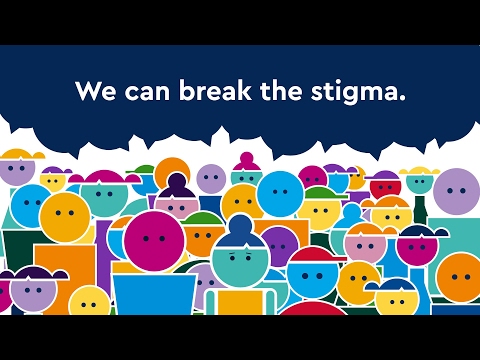
That’s why we need to challenge this stigma head-on. It’s time to shake things up and show that it’s okay to not be okay in school. Let’s chat about how we can do that together!
Breaking the Silence: Addressing Mental Health Stigma in Schools for a Supportive Learning Environment
Breaking the silence around mental health stigma in schools is super important for creating a supportive learning environment. Seriously, when students feel safe to express their feelings and struggles, it makes a world of difference in how they learn and grow.
In many schools, students deal with the pressures of fitting in and keeping up with their studies. On top of that, if they’re facing mental health challenges, it can feel like carrying a heavy backpack full of bricks. The thing is, the stigma surrounding mental health often stops them from seeking help. You know? It’s like feeling ashamed or afraid to admit you’re struggling when everyone else seems fine. This silence just makes everything harder.
So, what can we do to break this cycle? Here are a few ideas:
- Start conversations: Schools should encourage open discussions about mental health. When teachers and staff talk openly about their own struggles (in an age-appropriate way), it shows students that they’re not alone.
- Educate everyone: Incorporating mental health education into the curriculum not only normalizes these conversations but also helps de-stigmatize them. It teaches kids what mental health really means and how to recognize signs in themselves or others.
- Create safe spaces: Establishing areas where students can go when they’re feeling overwhelmed can be a lifesaver. Think about cozy corners with calming vibes where kids can chill out and talk if they need to.
- Encourage peer support: Programs that train students to be “mental health allies” can work wonders. They learn how to listen and provide support without judgment—kind of like being there for each other in tough times.
Let me tell you—it can be transformative! I remember hearing about this school where they introduced a program called “Mind Matters.” Students got together for weekly sessions focused on sharing experiences related to stress, anxiety, or anything bothering them—no judgment zone! And guess what? Attendance improved across the board because kids felt more connected.
Also, having qualified counselors available is crucial. Imagine if every student knew there was someone they could talk to who really understood them? That kind of support shows students that it’s totally okay not to be okay sometimes.
Students should also have chances for leadership roles involving mental health initiatives. That empowers them! Being involved helps them feel empowered while promoting awareness among their peers.
Still, changing the culture around mental health stigma isn’t just up to teachers or school leaders; it involves families too. Parents need guidance on how to talk about these issues at home as well.
Ultimately, addressing this stigma head-on creates an environment where everyone can thrive academically and emotionally. Schools should aim for this supportive culture so no one feels left out or ashamed—even on tough days.
In short, breaking the silence means sowing seeds of understanding in our schools—a place where learning happens best when hearts are as healthy as minds!
Empowering Students: Effective Strategies for Reducing Mental Health Stigma in Schools
Okay, let’s talk about mental health stigma in schools. It’s real, and it can seriously impact students. The thing is, when mental health issues aren’t talked about openly, it makes it super hard for kids to seek help or even share what they’re feeling. Here are some strategies that can really make a difference.
Start with Education. One of the most effective ways to combat stigma is by educating both students and teachers. You know, bringing in facts about mental health can help debunk myths. Like when kids understand that anxiety isn’t just “being dramatic,” they’re more likely to support friends who might be struggling.
Normalize Conversations. Schools should create a culture where talking about feelings is as normal as discussing grades. Organizing workshops or even casual lunch-and-learn sessions about mental wellness can make a big impact. Remember that time in class when someone shared their struggles? It was eye-opening, right? It shows others they’re not alone.
Peer Support Programs are golden too. Empowering students to support each other can break down those walls of stigma. Look at buddy systems or mentorship programs where older students guide younger ones through their highs and lows. When peers talk, it feels way safer than opening up to an adult sometimes.
Involve Parents and Guardians. Don’t forget about the home front! Workshops for parents on how to spot signs of stress or anxiety in their kids can provide an extra layer of support. You know how some parents just don’t get it? Education helps them understand what their kids might be going through.
Create Safe Spaces. Schools should have designated areas for kids to chill out and talk if they need to vent or process stuff. A quiet room with comfy seating can do wonders! Just knowing there’s a place available makes it easier for students to feel safe opening up.
Training for Staff. Teachers and school staff should receive training on how to recognize mental health issues and respond appropriately without judgment. Imagine if every teacher knew how to handle panic attacks or sadness? It would create such a supportive environment!
Celebrate Mental Health Days. Schools could set aside days dedicated solely to raising awareness about mental health—think assemblies featuring speakers who have lived experiences or activities that promote self-care practices like yoga or journaling.
We’ve all heard those silly jokes or comments during school years—it things people say without thinking that really hurt, right? Reducing stigma means challenging those moments head-on instead of letting them slide by.
The bottom line is that reducing mental health stigma in schools isn’t just a nice-to-have; it’s essential for creating environments where every student feels valued and understood. When you empower kids with knowledge, resources, and support from both peers and adults, it opens doors for everyone involved—kids feel seen, heard, and truly accepted. And isn’t that exactly what we want for our future generations?
Enhancing Student Well-Being: The Importance of Mental Health Support in Schools
Hey, let’s talk about something super important: mental health support in schools. You know, schools are like the second home for students. And during those years, they’re not just learning math and science; they’re also figuring out who they are. But what happens when they struggle with their mental health?
Having solid mental health support in schools can really make a difference. A lot of kids face all kinds of pressures—grades, social life, family issues—and that can take a toll on their well-being. So, seriously, we need to start talking about this more openly.
- Creating Safe Spaces: Schools should be places where students feel safe to express themselves without judgment. Imagine a kid feeling anxious or depressed but holding it all in because they’re scared of being teased. That’s not cool! Supportive environments help break down that stigma.
- Access to Resources: It’s crucial to have counselors available and ready to listen. Think about it: if a student knows they can talk to someone who gets it without feeling embarrassed, they’re way more likely to reach out for help.
- Education on Mental Health: Just like you teach math or history, schools should include mental health education in their curriculum. This could help kids understand their own feelings better and foster empathy towards others struggling.
I remember this one time back in high school when a friend of mine was going through a hard time. She kept it all bottled up until one day she broke down in the cafeteria. It was heartbreaking but also eye-opening because so many people had no idea what she was dealing with. That incident highlighted how crucial it is for students to know that emotional struggles are valid and there’s help available.
The thing is, breaking the stigma around mental health isn’t just good for individuals; it’s good for everyone! When students feel supported mentally and emotionally, they perform better academically and build stronger connections with peers. It’s like a win-win!
- The Role of Teachers: Teachers play a massive role here too. If educators are trained to notice signs of distress and know how to respond appropriately, it can really change the game for students who might be struggling silently.
- Peer Support Programs: Encouraging peer-led initiatives where students can share experiences or offer support creates community bonds and normalizes conversations about mental health.
You see how it all ties together? Enhancing student well-being means making sure mental health is part of the conversation at every level in schools—administrators, teachers, parents, and students need to come together as allies in this journey.
In wrapping this up (not that I’m closing or anything), we’ve got some work to do still! But by nurturing an environment where students feel safe discussing their feelings openly and understanding that it’s okay not to be okay sometimes makes an incredible difference! You follow me?
Okay, so let’s talk about mental health stigma in schools. You know, being in those hallways, surrounded by classmates can be, like, super overwhelming for some people. And if someone’s dealing with anxiety or depression on top of all the normal school drama? That can feel really heavy.
I remember a friend of mine back in high school. She was incredibly talented but struggled with anxiety. Whenever she would share that she needed a break or couldn’t tackle a certain project alone, people just didn’t get it. Instead of support, she often got rolled eyes or whispers behind her back. It was a tough situation. I mean, why do we act like struggling with your mental health is something to hide?
This stigma can create such an isolating environment. It makes kids reluctant to speak up or seek help. They fear judgment or being seen as “weak.” But what’s really weak is not talking about these things! Schools are supposed to be safe spaces where everyone should feel free to express their feelings and experiences.
When schools take steps to challenge this stigma—like hosting mental health awareness days or having open discussions in classrooms—it changes the game. It shows students that it’s okay to talk about their struggles. Programs that educate teachers and peers about mental health can make a massive difference too; just knowing someone understands makes all the difference.
So yeah, challenging this stigma is crucial for building an empathetic community where students feel supported rather than judged. We all have our battles—why not create an environment where we can face them together? Who wouldn’t want that kind of vibe at school?